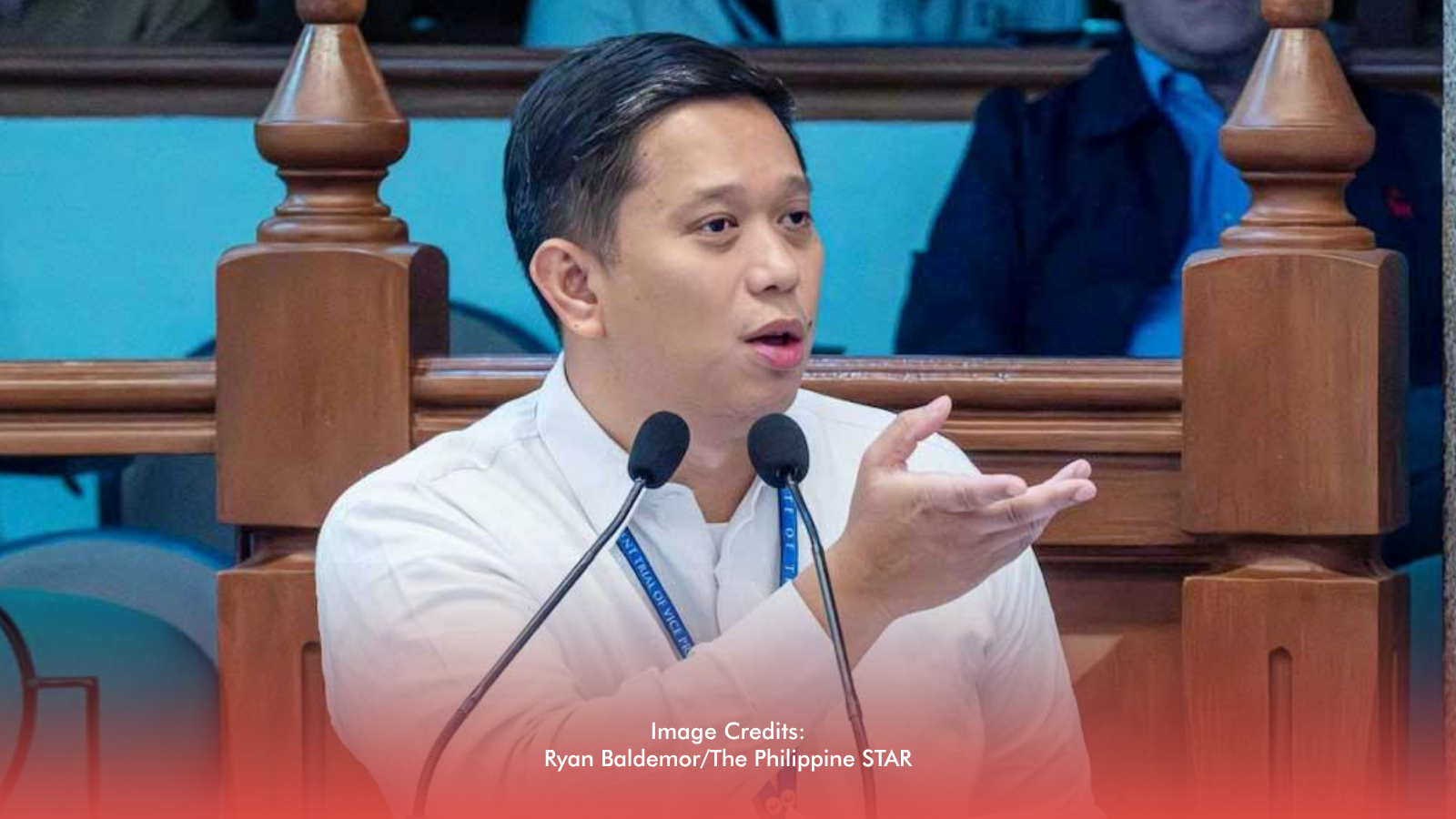

President Ferdinand Marcos Jr. emphasized the need to move away from a “car-centric” transport system in the Philippines, noting that years of prioritizing private vehicles have contributed to Metro Manila’s worsening traffic congestion and limited public mobility. In a podcast episode aired Thursday, the president said his administration is taking steps to expand and improve the country’s public transport infrastructure.
Marcos said the overreliance on private cars stems from a lack of reliable public transport options, forcing many Filipinos to purchase motorcycles or cars just to get around. He noted that this model has reached its limits and must be revised to create a more efficient and inclusive mobility system.
RELATED: [MMDA To Roll Out AI-Powered Traffic Signaling System]
Traffic Woes Tied to Lack of Public Transport
“We’ve seen examples around the world where traffic has become extreme because people have no public transport, no buses, no trains, no subway,” the president said in Filipino.
He stressed that the government is working toward the goal of reducing commute times to under one hour, both going to and from work. As part of this strategy, the administration is expanding the country’s train networks and increasing passenger capacity by reintroducing long-idle assets.
Rail Projects and Subway System Underway
The president pointed to the Dalian trains, which were previously mothballed, as one example of underutilized infrastructure being brought back into service. These train cars, manufactured in China, were refurbished and adapted for use on the MRT-3 line.
“They were fixed up, and it turns out they could be modified to work here in the Philippines,” he said.
He also cited the Metro Manila Subway project—currently under construction—as a key milestone. The subway will connect Valenzuela to Pasay, marking the country’s first underground rail system. Marcos said the administration is also upgrading road networks alongside these major transport initiatives.
“These are solutions so that life will be a little easier, so that life will be more convenient, you know, going to work,” he said.
While major changes won’t happen overnight, Marcos said these long-term investments mark a “mindset shift” in how the country approaches mobility, one that places ordinary commuters, not just car owners, at the center of urban planning.
RELATED: [DPWH Sets Sights On 2027 For EDSA Rehab]