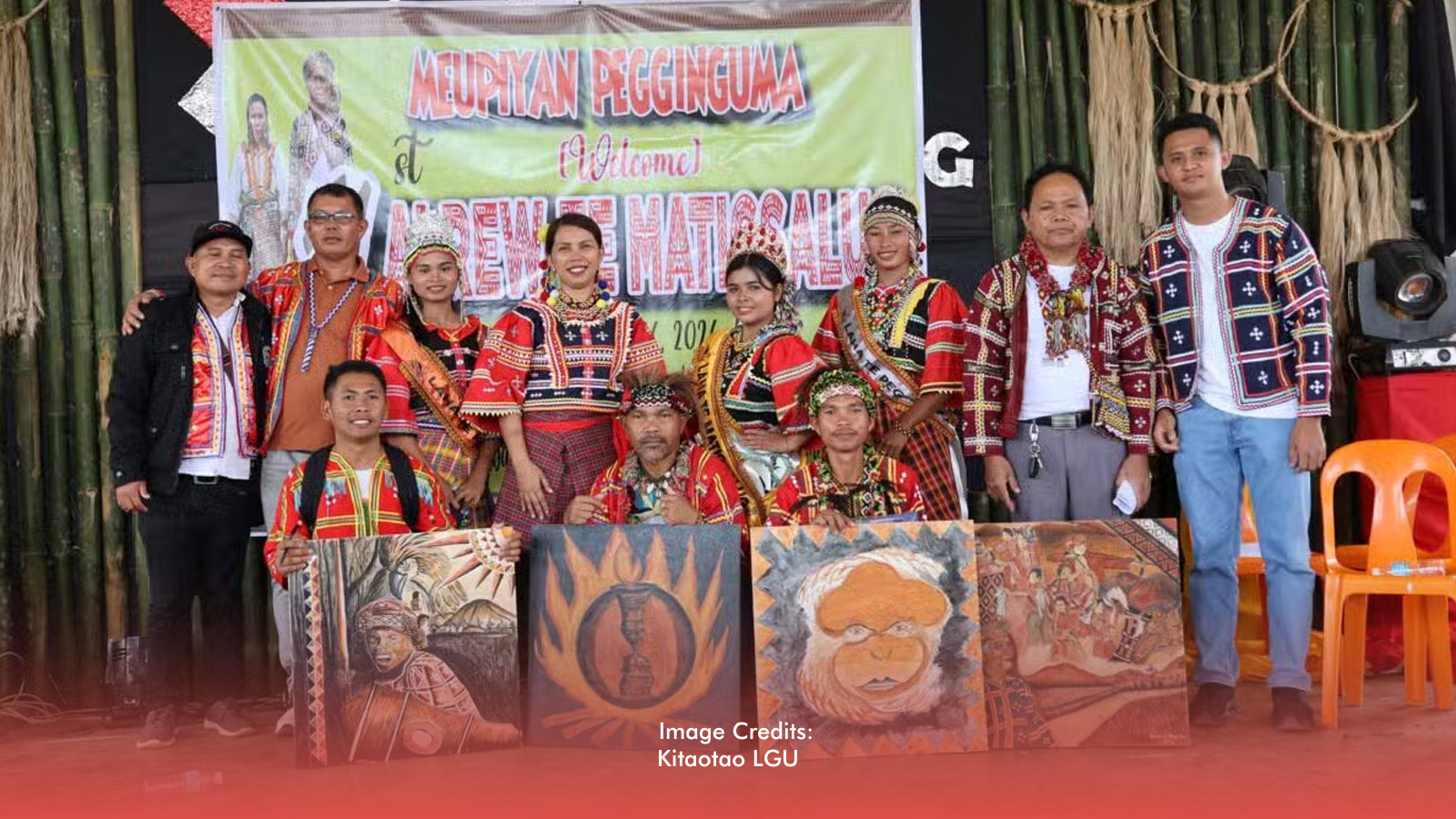
The Matigsalug tribe celebrated the 51st Alrew te Matigsalug in Barangay Sinuda, Kitaotao, Bukidnon, bringing together generations of Indigenous Peoples in a weeklong celebration of culture, history, and community.
Residents filled the streets wearing colorful handwoven garments and traditional beadwork as indigenous music welcomed visitors to the annual gathering. Elders marched alongside children dressed in traditional attire, highlighting the tribe's commitment to preserving customs and passing them on to younger generations.
For the Matigsalug, whose name means "people of the Salug River," Alrew is more than a festival. It is an annual affirmation of their identity and a reminder that their traditions remain an important part of everyday life.
Weeklong Celebration Brings Community Together
This year's observance combined cultural, religious, and community activities that reflected both tradition and modern life.
The program featured sports competitions, Nutrition Month activities, a drug awareness symposium, and the community's patronal fiesta, which included a religious procession and Holy Mass. Another major attraction was Laha te Matigsalug 2026, a cultural pageant highlighting the tribe's heritage, talent, and traditions.
The festivities concluded on July 16 with a civic parade, cultural presentations, championship basketball games, an awarding ceremony, and a community concert attended by residents and guests.
Passing Traditions to Future Generations
Traditional performances remained the centerpiece of the celebration, featuring the chanting of Ulagingan, the Bangkakaw dance, indigenous music, and customary rituals that have been preserved for generations.
Community leaders said the annual festival strengthens unity among Matigsalug communities while encouraging young people to embrace their ancestral heritage. Rather than existing only in history, they said the tribe's identity continues to thrive through its language, customs, songs, and cultural practices.
The Matigsalug are among Bukidnon's recognized indigenous peoples, with communities in Kitaotao and neighboring parts of the Davao Region. Once known as hunter-gatherers living along the Salug River, they have adapted to changing times while continuing to protect the traditions that define their people. Through Alrew te Matigsalug, the tribe reaffirms that its cultural heritage remains vibrant, resilient, and rooted in the land of its ancestors.