Residents in Mindanao are expected to gain easier access to digital financial services following a new partnership between Al-Amanah Islamic Bank of the Philippines and GCash aimed at making banking transactions more convenient and accessible.
The collaboration seeks to use digital payment technology to reach more Filipinos, especially those in communities where access to traditional banking services remains a challenge.
Three Digital Services to Improve Banking Access
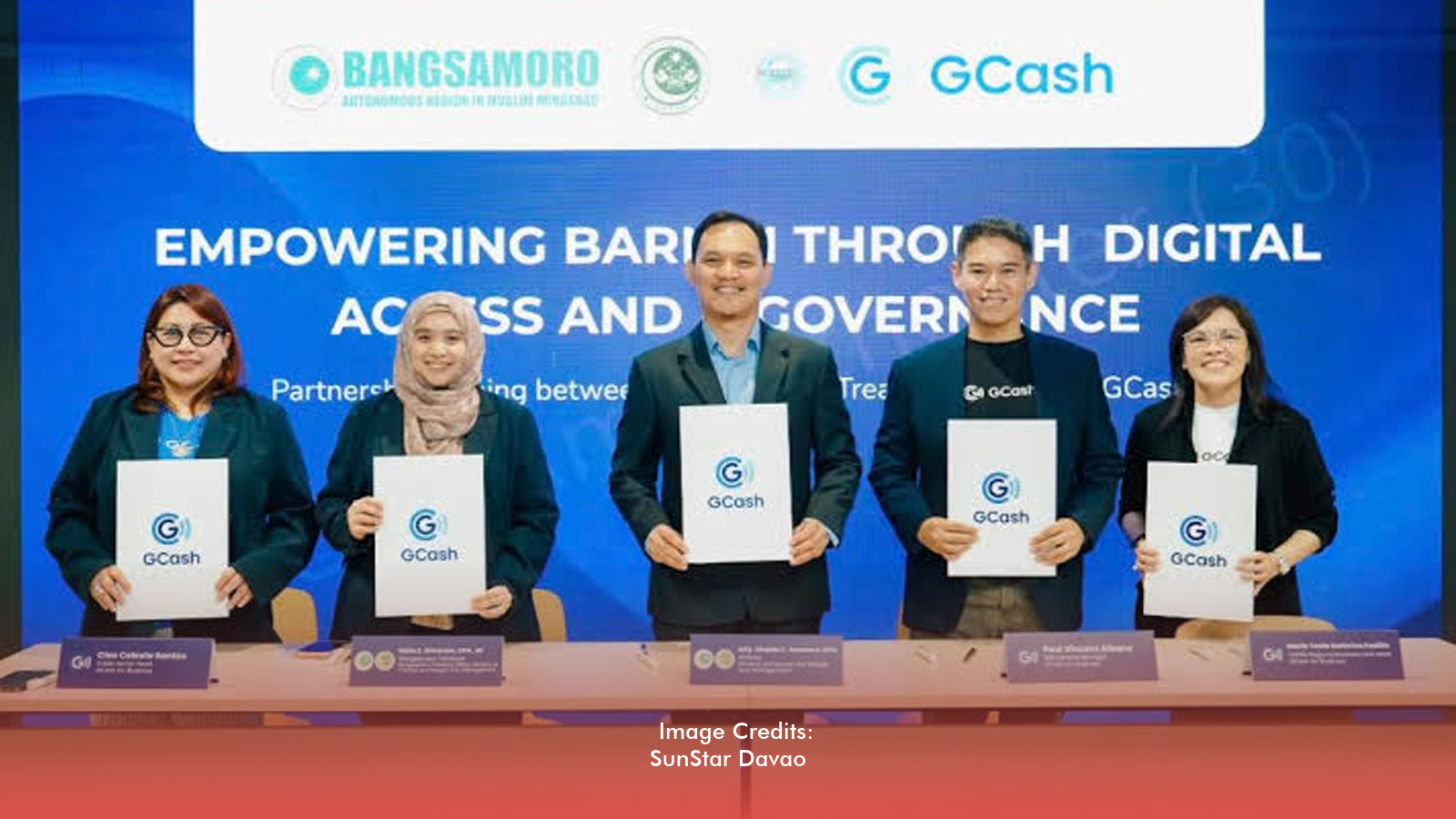
Under the agreement signed on Nov. 16, Al-Amanah will incorporate three GCash services into its banking operations: Bills Pay, Scan to Pay, and Funds Disbursement Service (FDS).
The memorandum of agreement was signed by Al-Amanah Chairperson and Chief Executive Officer Amenah Pangandaman and GCash Vice President and Head of Commercial Sales Cleo Celeste Santos.
The services will allow customers to pay bills through GCash, complete cashless transactions using QR codes, and receive funds directly through their e-wallet accounts.
These digital options are expected to reduce the need for in-person transactions and make routine banking activities more accessible.
Partnership to Make Fund Transfers More Convenient
The integration is also expected to improve how the bank distributes financial assistance and other payments to its beneficiaries.
By using GCash as an additional channel for fund transfers, Al-Amanah aims to make the process faster and more convenient, particularly for customers who live far from bank branches.
Pangandaman said the initiative supports the bank's goal of bringing financial services closer to Muslim communities and making banking more accessible to underserved sectors.
Digital Inclusion for More Mindanao Residents
For GCash, the partnership provides an opportunity to extend its digital payment solutions to more customers through the Islamic banking sector.
Santos highlighted the importance of expanding access to digital financial tools, particularly in areas where traditional banking services may be less accessible.
The collaboration reflects the growing role of digital technology in improving financial inclusion and giving more Filipinos opportunities to participate in the country's evolving digital economy.
Al-Amanah is the country's first Islamic bank established under its own legislative charter.