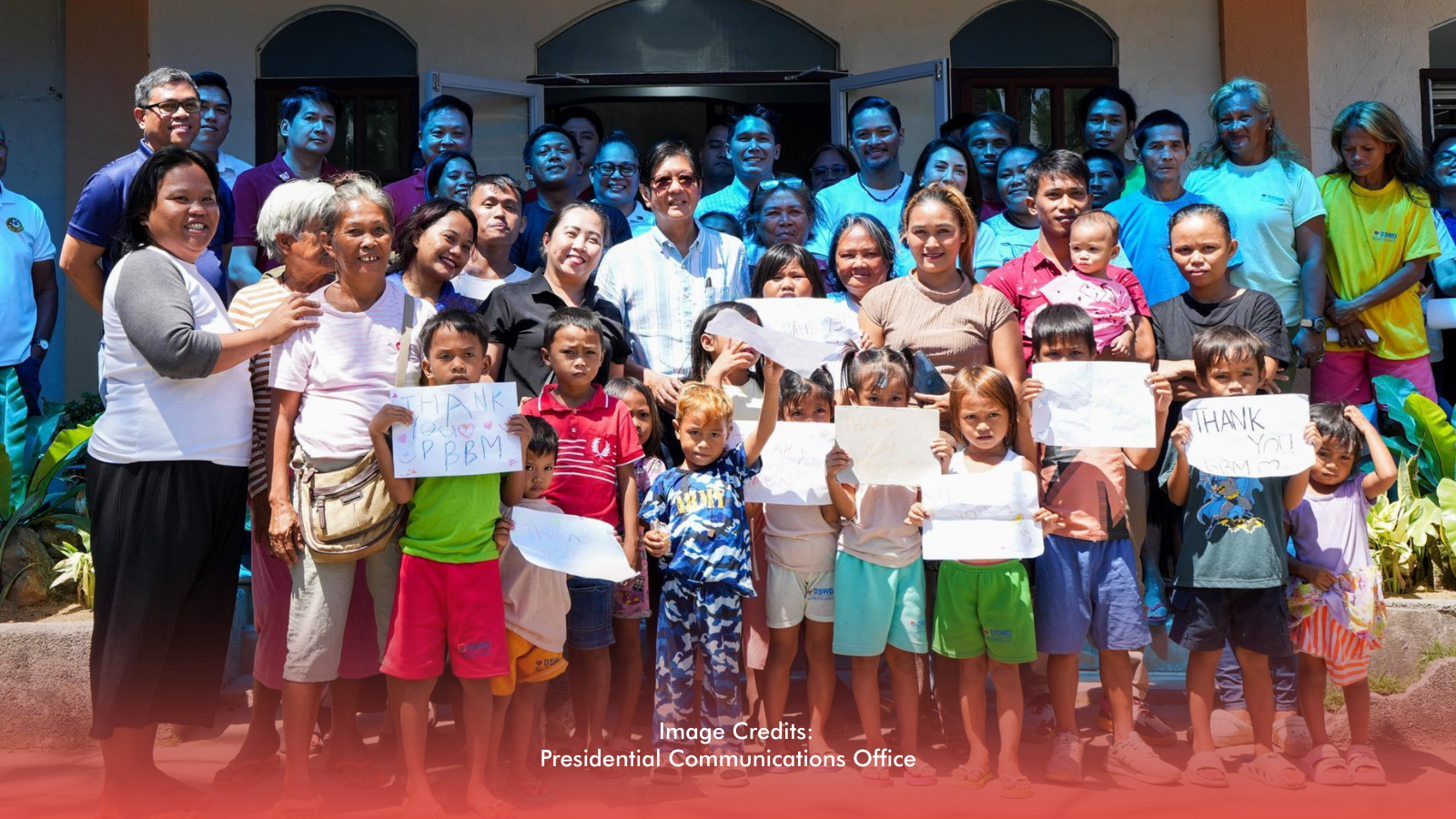
Cebu is taking a major step to address homelessness with the opening of a new Pag-Abot Processing Center in Liloan, designed to provide street dwellers with access to basic services and pathways to stable living. The facility is part of a broader effort to assist individuals and families in transitioning from life on the streets to safe, dignified environments.
The new center, managed by the Department of Social Welfare and Development (DSWD), offers a wide range of support, including health services, food, clothing, psychosocial counseling, temporary shelter, livelihood assistance, and family reintegration programs. Records from the DSWD show that over 600 homeless individuals are currently in Cebu, highlighting the urgent need for such interventions.
Comprehensive Facilities for Beneficiaries
The P17.99-million facility can temporarily accommodate up to 120 people and includes a medical clinic, dormitories with individual toilets and bathrooms, communal comfort rooms, an activity area, kitchen and dining facilities, and spaces for profiling and case management. Social workers conduct daily reach-out operations in Cebu City, Mandaue, Lapu-Lapu, and Talisay to identify and assist families and individuals living on the streets.
“In the past, we waited for citizens to approach us and ask for assistance to return to their provinces, but now we have reversed that; we go out and reach out to ensure families and individuals living on the streets receive adequate help and care from the government,” explained DSWD Secretary Rex Gatchalian.
Beneficiaries brought to the center undergo documentation, assessment, and structured reintegration into their communities. “We will make sure we fully understand their situation so that after 30 days, when we return them to their communities, they will have an economic grant for livelihood or whatever support they need to succeed and no longer return to the streets,” Gatchalian added.
A Shift in Homeless Assistance Across the Philippines
The Cebu expansion follows three years of successful implementation in Metro Manila and Luzon, where rapid urban migration sometimes forces individuals into street situations. “We have done this in Metro Manila for three years, and we know that highly urbanized areas can become magnets for migration, and when people fail to find jobs, they are sometimes forced to live on the streets, so the president’s (Ferdinand Marcos Jr.) commitment is to expand this program beyond Manila and Luzon to the Visayas and other highly urbanized areas facing homelessness,” Gatchalian concluded.
By providing structured support, temporary shelter, and access to livelihood opportunities, the Cebu Pag-Abot Center represents a practical solution to urban homelessness. Its presence not only helps vulnerable individuals rebuild their lives but also strengthens social stability in Cebu and serves as a model for other highly urbanized areas in the Philippines facing similar challenges.
RELATED: [New DSWD Program Targets Climate Resilience In Remote Areas]