In Albay, Holy Week is a time when tables come alive with faith, flavor, and family tradition. Families observe “ayuno” by preparing meatless meals that are rich, comforting, and deeply tied to Bicolano culture.
As households set aside pork and other meats, vegetables and seafood take center stage, turning every meal into a celebration of local bounty. These dishes are not just food, they are a way to honor traditions passed down through generations.
Flavors That Slow Down Time
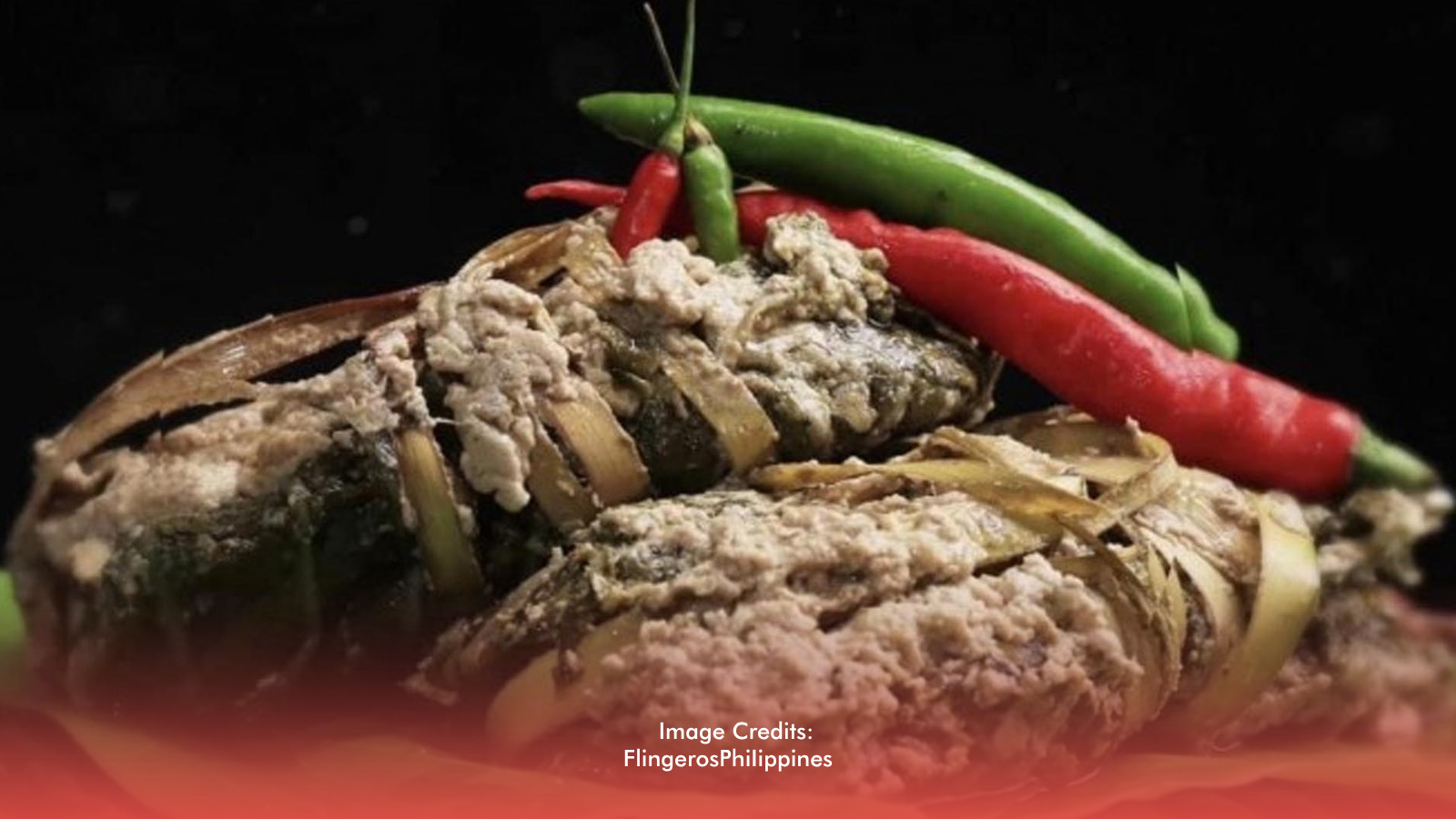
Some dishes are reinvented for the Lenten season. Pinangat, usually cooked with pork, is replaced with fish. Fish and taro leaves are wrapped together with chilies, onions, and ginger, then slowly simmered in coconut milk until tender and fragrant.
“Pinangat is usually cooked with fish or pork, but during Holy Week, we use fish. It is really delicious because it cooks slowly in plenty of coconut milk,” said Herbie Aguas, director of the Department of Tourism (DOT) 5.
Tilmok, another favorite, mixes small crushed crabs or shrimp with grated coconut, chilies, and spices. Wrapped in banana or taro leaves and steamed, it is a hearty, flavorful alternative to meat. Coconut-based seafood stews like picadillo and kusido, made with local fish such as malasugi (tuna) and Kwaw, highlight Bicol’s love for gata and chili.
A Connection to the Past
“These dishes are more than meals, they connect us to our ancestors,” Aguas said. “Pinangat, tilmok, and other coconut-based recipes reflect how Bicolanos used local ingredients to make hearty, flavorful meals. They tell a story of faith, culture, and creativity.”
Faith Beyond Food
For residents like Teresita Miña, 59, of Mabinit, Legazpi City, Holy Week is about devotion as much as it is about taste.
“We don’t eat meat. We fast, attend Mass, and join processions,” she said, following customs like staying indoors and keeping quiet on Good Friday.
In Albay, the Holy Week table is a living story of faith, family, and flavor, bringing generations together through food and tradition.