Dengue remains a persistent public health challenge in the Philippines, especially during the rainy season when mosquito breeding accelerates in hard-to-reach communities. In Candelaria, Quezon, a technology-driven initiative is demonstrating how innovation can support earlier and more targeted prevention.
Help.NGO has joined forces with SORA Technology, Vector Control Philippines, and Debug to enhance mosquito surveillance through drone mapping and artificial intelligence.
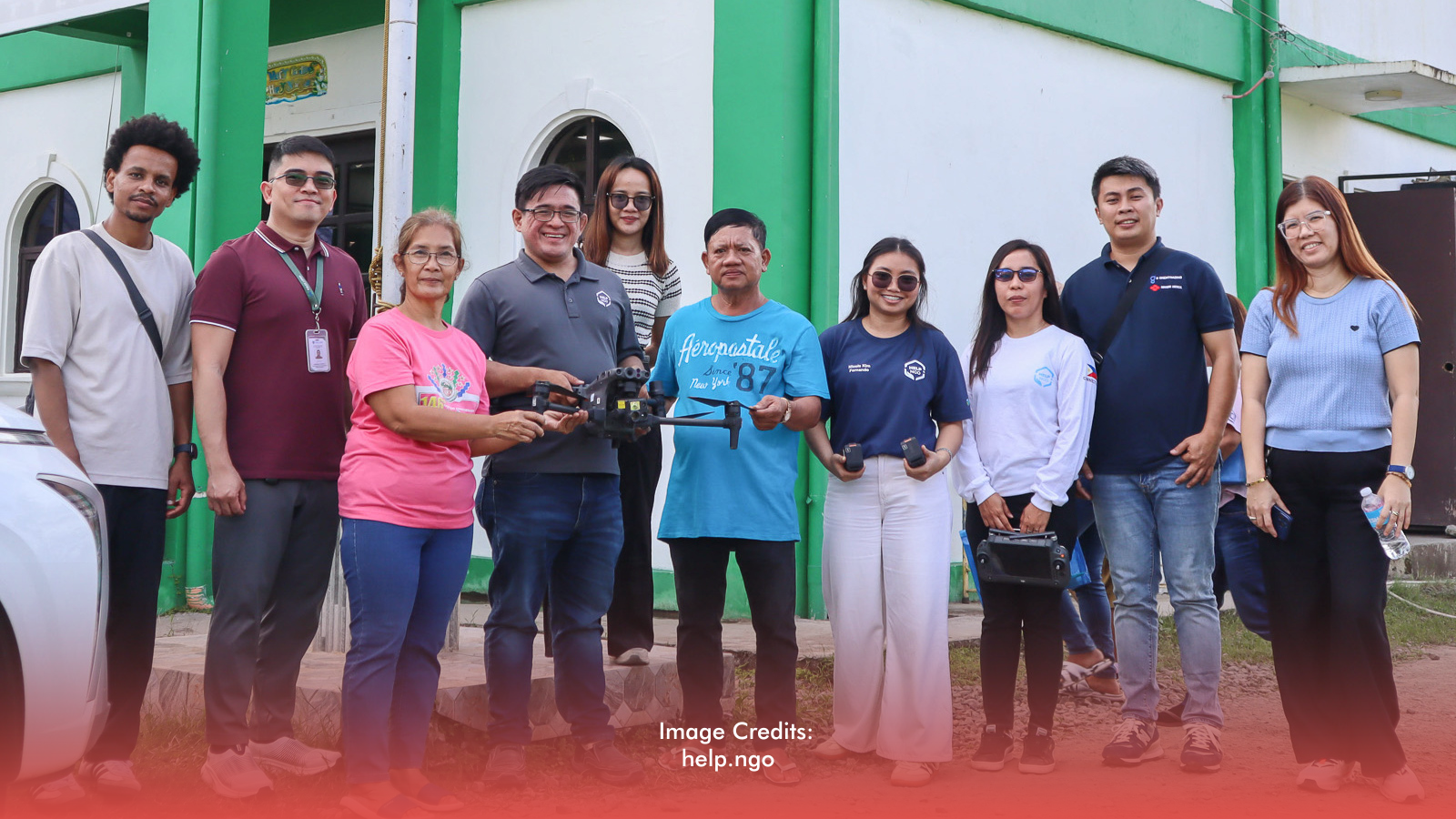
SORA Technology leads the surveillance methodology and analytics, while Help.NGO conducts drone-based aerial data collection and geospatial mapping. Vector Control Philippines coordinates with local public health stakeholders, and Debug supports technical workflows exploring scalable Wolbachia-based mosquito strategies designed to reduce dengue transmission.
The partnership aims to shift communities from reactive outbreak response to proactive risk management.
725 Hectares Mapped in Three Days
From January 20 to 22, 2026, the team mapped approximately 725 hectares in Candelaria in coordination with the municipal government and barangay officials. Using drones, they captured high-resolution imagery that produced orthomosaic maps and 3D terrain models.
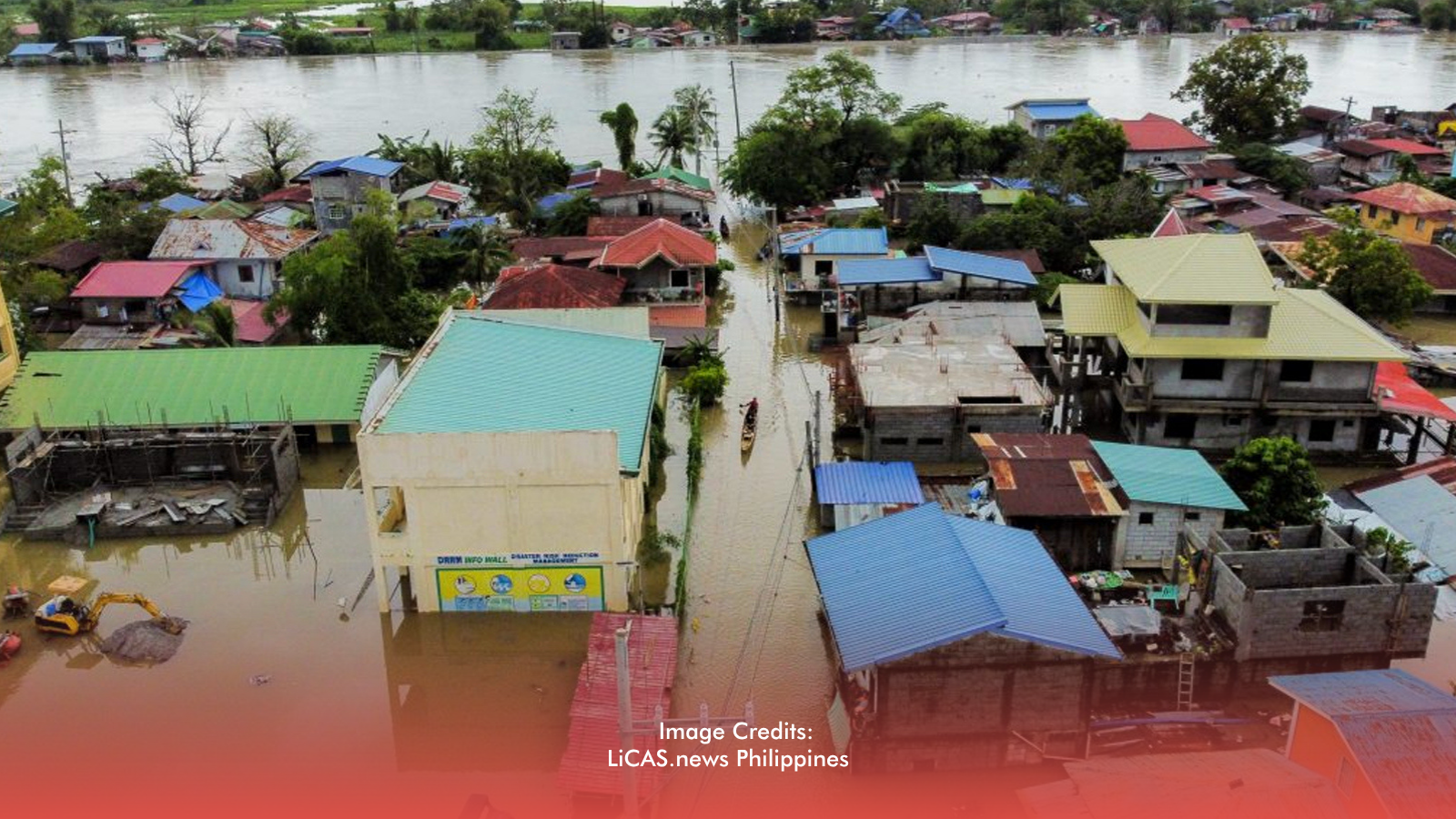
The collected data were processed using AI-supported workflows to identify environmental conditions associated with mosquito breeding. These include stagnant or slow-moving water, dense vegetation, flood-prone low-lying areas, and residential zones near irrigated farmland.
The results were integrated into a digital application that helps local teams prioritize high-risk areas and organize field interventions more efficiently.
Local Leadership Key to Sustainable Prevention
Vector Control Philippines emphasized that advanced tools must translate into practical public health outcomes. The group promotes biologically sustainable dengue prevention, including Wolbachia-based strategies that introduce mosquitoes carrying a naturally occurring bacteria to help limit virus transmission over time.
Project partners underscored that field operations required strict flight planning, safety protocols, data validation, and close coordination with local leaders.
Municipal officials, led by Mayor George Suayan, worked with barangay stakeholders to ensure the initiative aligned with community priorities.
Organizers said the combination of Pinoy innovation, global expertise, and strong local collaboration offers a scalable model for strengthening dengue prevention—particularly in areas where manual inspections are limited by distance, terrain, or time.