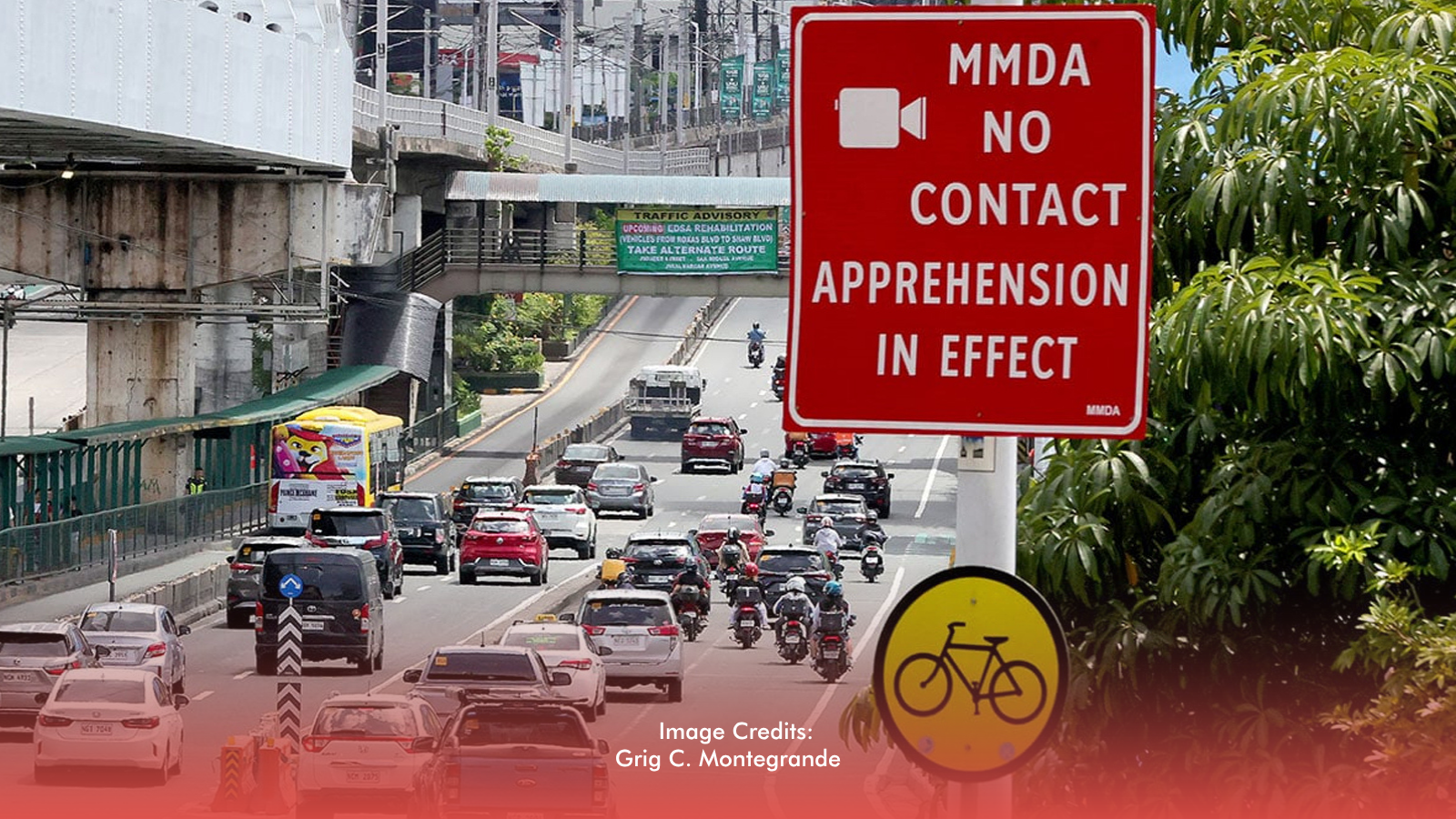
With the No Contact Apprehension Policy (NCAP) back in parts of Metro Manila, police are warning motorists against fake traffic violation notices designed to steal money and personal information.
The National Capital Region Police Office (NCRPO) cautioned the public against fraudulent text messages, emails, websites, and social media accounts that imitate official traffic citations. These messages often contain suspicious links directing recipients to unofficial payment platforms for violations they may not have committed.
NCRPO officer-in-charge Brig. Gen. Christopher Abrahano urged motorists to remain vigilant and report suspicious transactions. He also advised them to preserve messages, receipts, screenshots, and other digital evidence that could help authorities investigate the scams.
“Do not be easily deceived by individuals who use the names of government agencies to demand money,” Abrahano said.
Fake Enforcers Also Target Motorists
Police also reminded drivers to verify the identity and authority of anyone claiming to represent a local government unit, the Metropolitan Manila Development Authority (MMDA), a traffic enforcement office, or an authorized parking service.
The warning follows the arrest of three individuals who allegedly posed as parking attendants and collected excessive fees from motorists near Rizal Memorial Stadium along Adriatico Street in Malate, Manila. According to city officials, the suspects failed to present identification proving they were authorized to collect parking fees.
Motorists should confirm traffic citations and payment instructions through the official channels of the agency or local government that issued them. Police officers and unauthorized individuals are not permitted to collect NCAP fines through personal accounts.
Where NCAP Has Returned
NCAP resumed on October 5 in six Metro Manila local government units: Manila, Quezon City, Valenzuela, Parañaque, Muntinlupa, and San Juan. The return followed the Supreme Court's July 2026 decision dismissing consolidated petitions challenging the policy and lifting the temporary restraining order.
The system uses closed-circuit television (CCTV) cameras, digital cameras, and other technology to record suspected traffic violations without requiring an enforcer to stop the vehicle on the spot. The captured footage is reviewed, and notices may be issued to registered vehicle owners through the implementing agency's official procedures.
Motorists can check violations and payment instructions through the relevant local government's official channels. The MMDA also provides NCAP-related services through the eGovPH Super App.
Quick Tips to Avoid NCAP Scams
- Don't click suspicious links. Avoid payment links in unsolicited texts, emails, or social media messages.
- Verify before paying. Check the alleged violation directly with the issuing local government or agency.
- Protect your information. Never share passwords, one-time PINs (OTPs), banking details, or other sensitive information through suspicious links.
- Avoid personal accounts. Pay fines only through authorized government payment channels.
- Keep the evidence. Save suspicious messages, screenshots, receipts, and transaction details, then report suspected scams to the police.