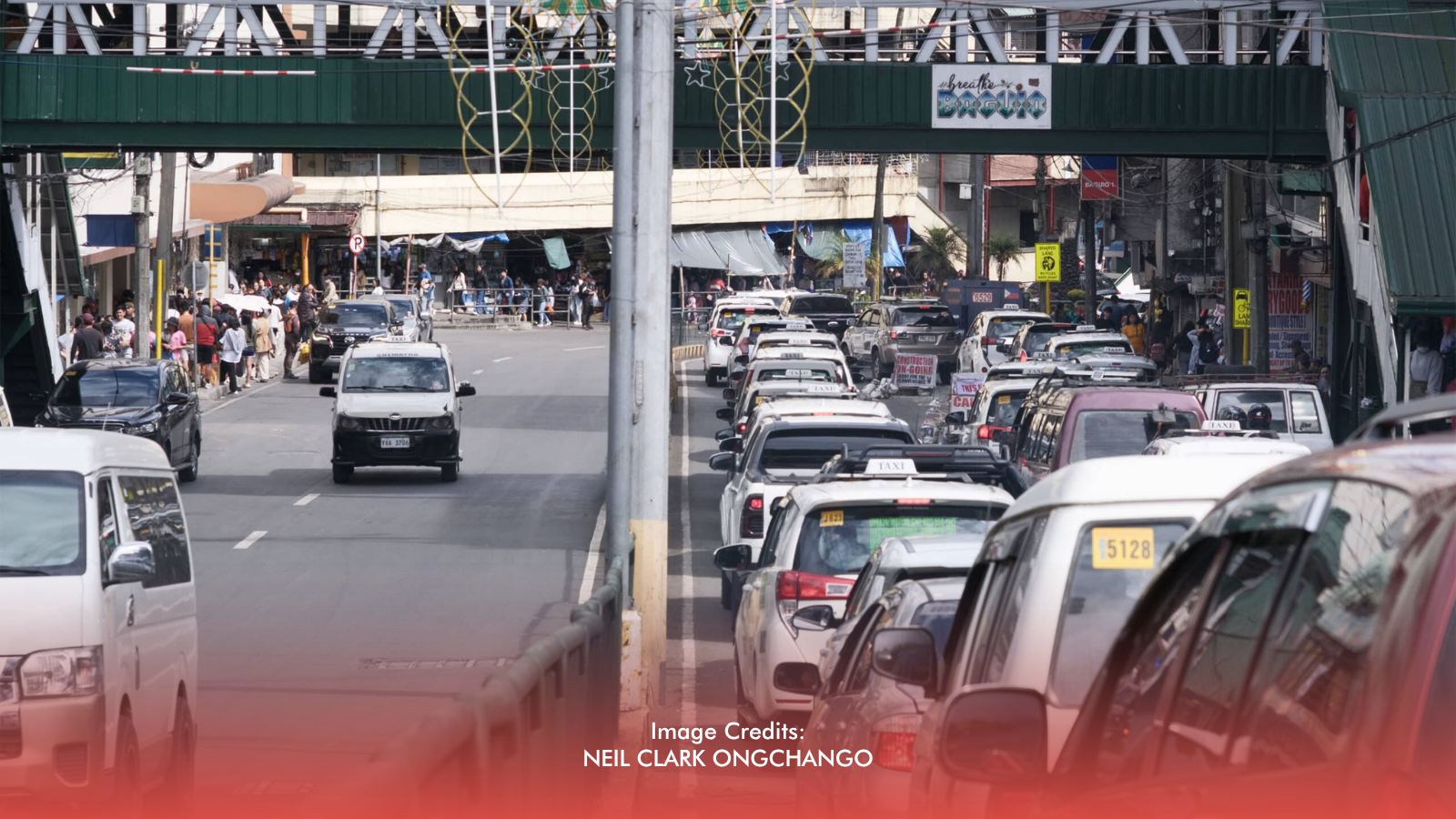
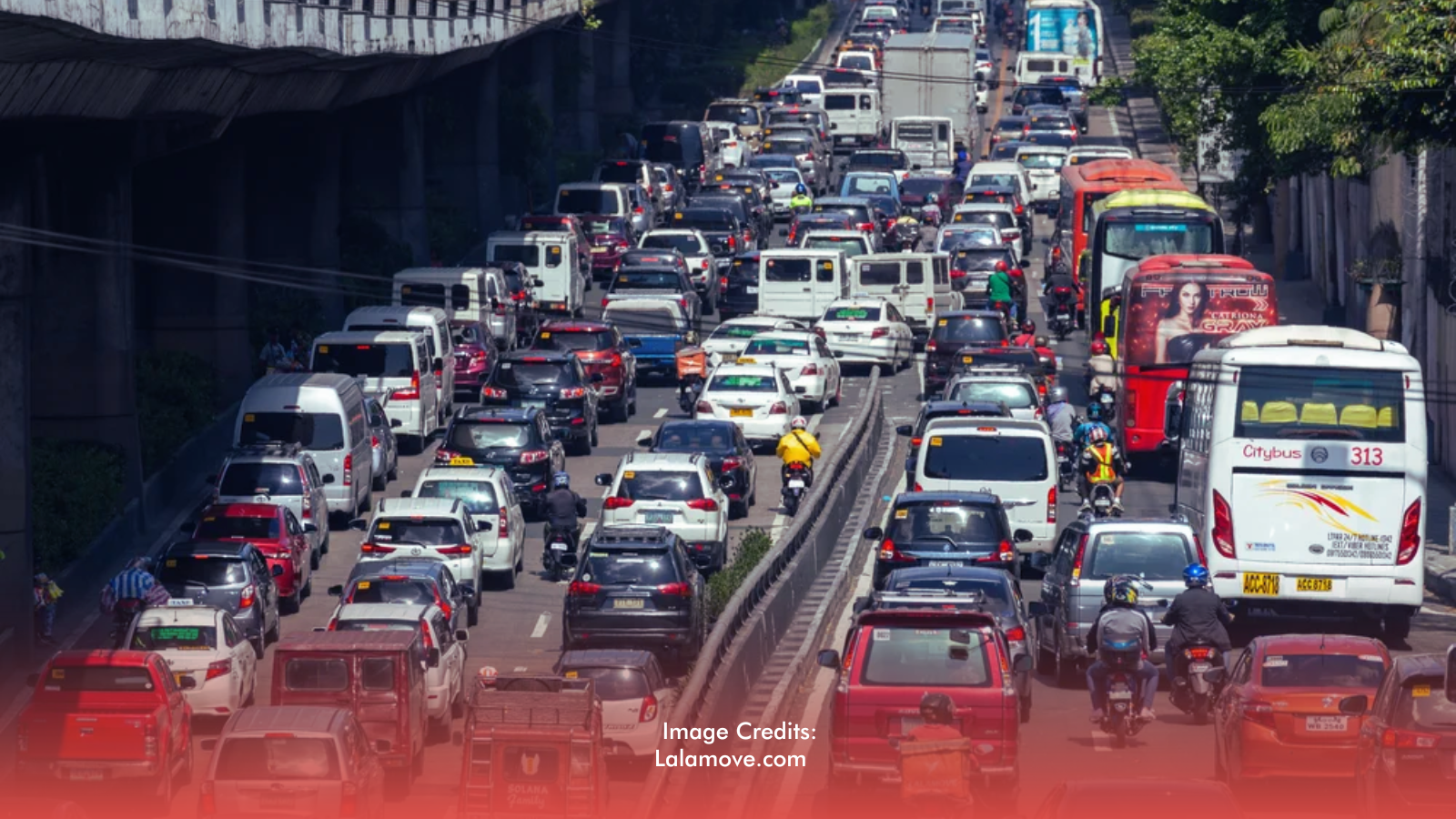
Metro Manila’s traffic isn’t just a daily annoyance. It’s a symptom of broken continuity in urban planning, infrastructure design, and traffic systems management. Commuters spend hours stuck on EDSA or packed into MRT trains, yet much of this congestion could have been eased years ago with long-term planning.
The root causes go beyond population growth or the rise in vehicle numbers. Stalled projects, shifting priorities, and inconsistent funding have created even more bottlenecks that continue to frustrate motorists today. If long-term planning had been sustained, Metro Manila could have moved faster, smarter, and with far less frustration.
MORE LIKE THIS: [LOOK: DPWH Releases Full Schedule Of EDSA Repairs Until January 5]
Solutions Were Already in Place
Before 2016, several major initiatives were already in motion to address Metro Manila’s chronic congestion. Skyway Stage 3, approved under President Benigno “Noynoy” Aquino III in 2013, began construction in 2014. It was designed to link northern and southern Metro Manila via an elevated expressway, cutting travel times along EDSA dramatically.
The Coastal Road for trucks and container vans aimed to keep heavy vehicles off city streets, while the Laguna Expressway sought to divert provincial traffic away from the capital. MRT expansions were also planned, offering commuters alternatives to private vehicles. These projects, had they been completed on schedule, could have delivered relief years earlier.
Partial Progress Under Duterte
When President Rodrigo Duterte assumed office in 2016, these projects were already underway. Secretary Mark Villar and the DPWH oversaw their progress, ensuring that commuters benefited as soon as possible. Skyway Stage 3 for instance, began easing congestion for tens of thousands of vehicles daily as segments were completed.
“When we assumed office in 2016, the congestion level was at 71 percent. The second worst traffic congestion in the world,” Villar said, underscoring the scale of the challenge they inherited.
He also highlighted the tangible benefits of the projects: “The President delivers on his promise to decongest EDSA. This is just one of 25 projects which we will complete under the EDSA Decongestion Program.”
Villar added, “For the first time in Philippine history, expressways operated by different concessionaires interconnect for the benefit of the Filipino people.”
Their role was execution and delivery, which highlights the importance of following through on inherited projects. By the end of Duterte’s term in 2022, many initiatives were still ongoing, leaving the next administration with both completed segments and unfinished work to manage.
How Marcos Jr. Derailed Key Projects
After Ferdinand “Bongbong” Marcos Jr. became president in 2022, the administration shifted budget priorities, including for critical infrastructure and flood control projects. A significant portion of funds that had been programmed for long-term initiatives was redirected to unprogrammed appropriations (UAs) — discretionary funds not tied to specific line items. Under Marcos Jr., UA levels ballooned, with hundreds of billions of pesos freed up for "priority" projects outside the original infrastructure plans.
This disrupted the continuity of previously planned projects. The situation was worsened by the recent flood control scandal, in which investigations revealed that a significant portion of flood control funds had been concentrated among a few contractors, with many projects lacking proper oversight.
[RELATED: Beyond Contractors: Who Really Benefits from Ghost Flood Control Projects?]
Flood control and traffic mitigation initiatives, which intersect with major highways and urban mobility improvements, were slowed or left partially unfunded because resources were diverted into UAs. While these projects remain planned, their execution now faces delays and uncertainties due to the lack of stable, programmed funding.
The Cost of a Broken System
The consequences are felt directly by Metro Manila commuters. Traffic congestion remains severe, roads are still overburdened, and flood-prone areas continue to experience repeated disruptions. The city’s infrastructure suffers when budget shifts favor discretionary spending over the long-term projects that were already in motion.
All the while, those in power manipulate projects and divert funds for personal or political gain, leaving the people to bear the cost. Yet, amid the cracks, some officials continue to act with integrity, proving that good governance is still possible.
READ: [Goodbye Gas? Electric, Hybrid Vehicles set to deliver shocking twist in PH roads]