
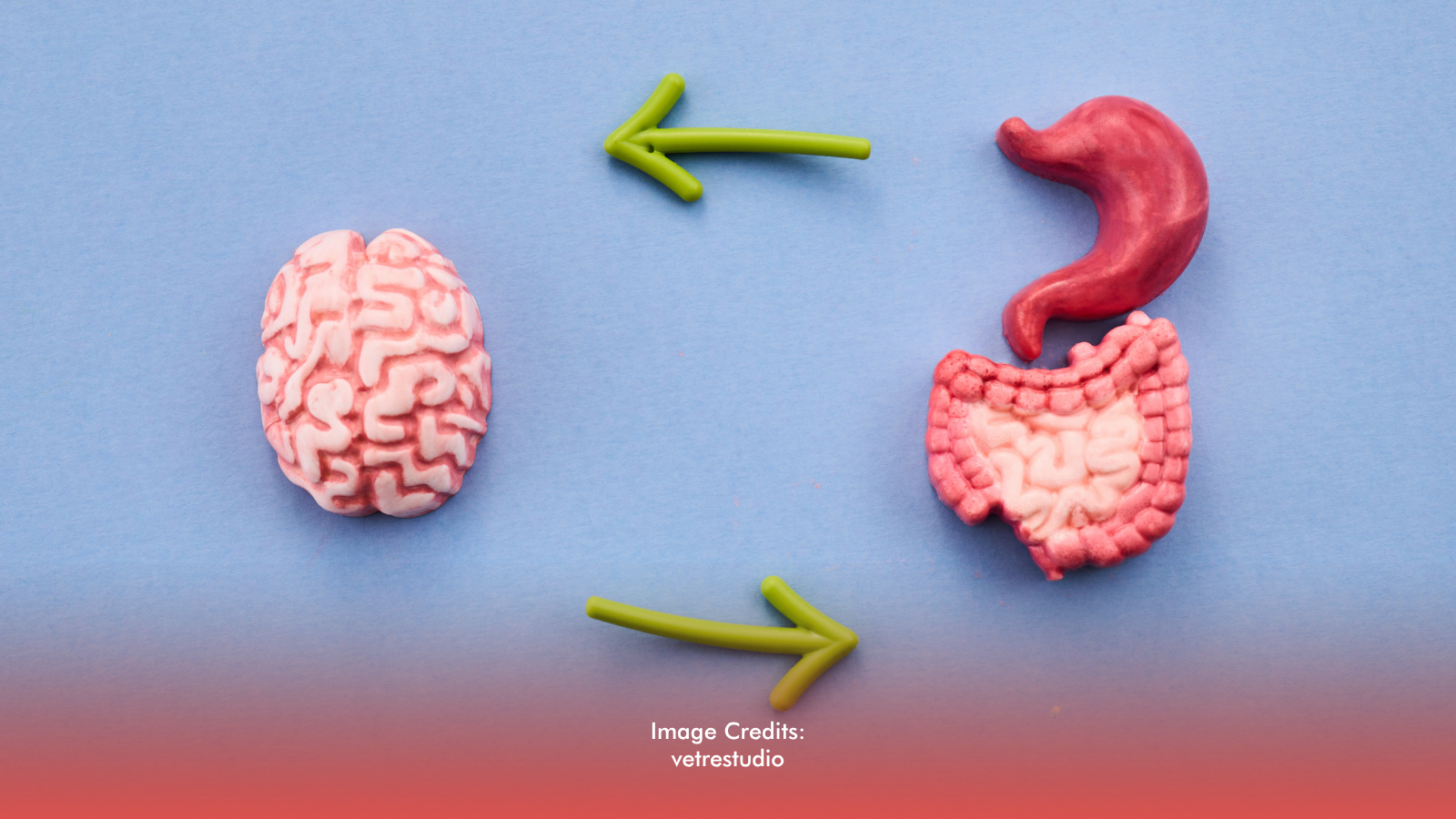
Ever noticed that your stomach feels unsettled when you are stressed? Or that a few nights of poor sleep can also throw off the way you feel physically? These everyday experiences are part of why researchers are paying more attention to the connection between the gut and the brain.
The two are in constant communication through what scientists call the gut-brain axis. In simple terms, signals can travel between the digestive system and the brain through the nervous system, hormones, immune responses, and other processes. This means taking care of your gut can be one part of taking care of your overall well-being.
RELATED: [7 Morning Habits for Regular Bowel Movements]
Your Daily Habits Matter Too
The gut does not exist separately from the rest of your lifestyle. What you eat, how much you move, how well you sleep, and how you handle stress can all influence the environment in your gut.
Diet is one example. A varied, balanced diet provides nutrients and dietary components that can influence the community of microorganisms living in the digestive tract. Research is increasingly looking at how these gut microbes may also be involved in communication between the gut and brain.
Stress can also affect digestion and other gastrointestinal functions. At the same time, changes in the gut may send signals back to the brain, which is why gut health is increasingly being viewed as part of the bigger picture of wellness rather than something that should be considered on its own.
That does not mean you need to completely overhaul your routine. Regular balanced meals, enough water, adequate sleep, movement, and healthy ways to manage stress are still the basics. Supporting your gut can simply be another part of that everyday approach.
Where Probiotics Come In
Probiotics can be another part of a gut-friendly routine. These live microorganisms are being studied for their role in the gut-brain connection, including possible links to stress, mood, and sleep. While some studies have reported potential benefits, the overall evidence remains inconclusive on whether probiotics have a direct effect on mental health.
One of the probiotic species found in BIOPRO is Lactobacillus helveticus, which has been explored in research for its potential “psychobiotic” properties. Studies have looked at how certain strains may be associated with stress, anxiety, mood, and sleep, but results have not been consistent, and findings can vary depending on the specific strain and formulation being studied.
Rather than viewing probiotics as something that directly addresses mental-health concerns, they are better considered as additional nutritional support for gut health and overall wellness. In that context, probiotics can complement the basics of a healthy routine, including balanced meals, adequate sleep, hydration, regular movement, and stress management.
Your gut may be only one part of the body, but it is closely connected to the bigger picture of your well-being. Taking care of it through balanced nutrition, healthy daily habits, and added support such as probiotics can be a simple but meaningful step toward caring for your health from the inside out.
Your health starts with the right choices. Explore them with Biopro probiotic products.
RELATED: [The Three Pillars of Everyday Wellness: Fuel, Shield, and Recharge]