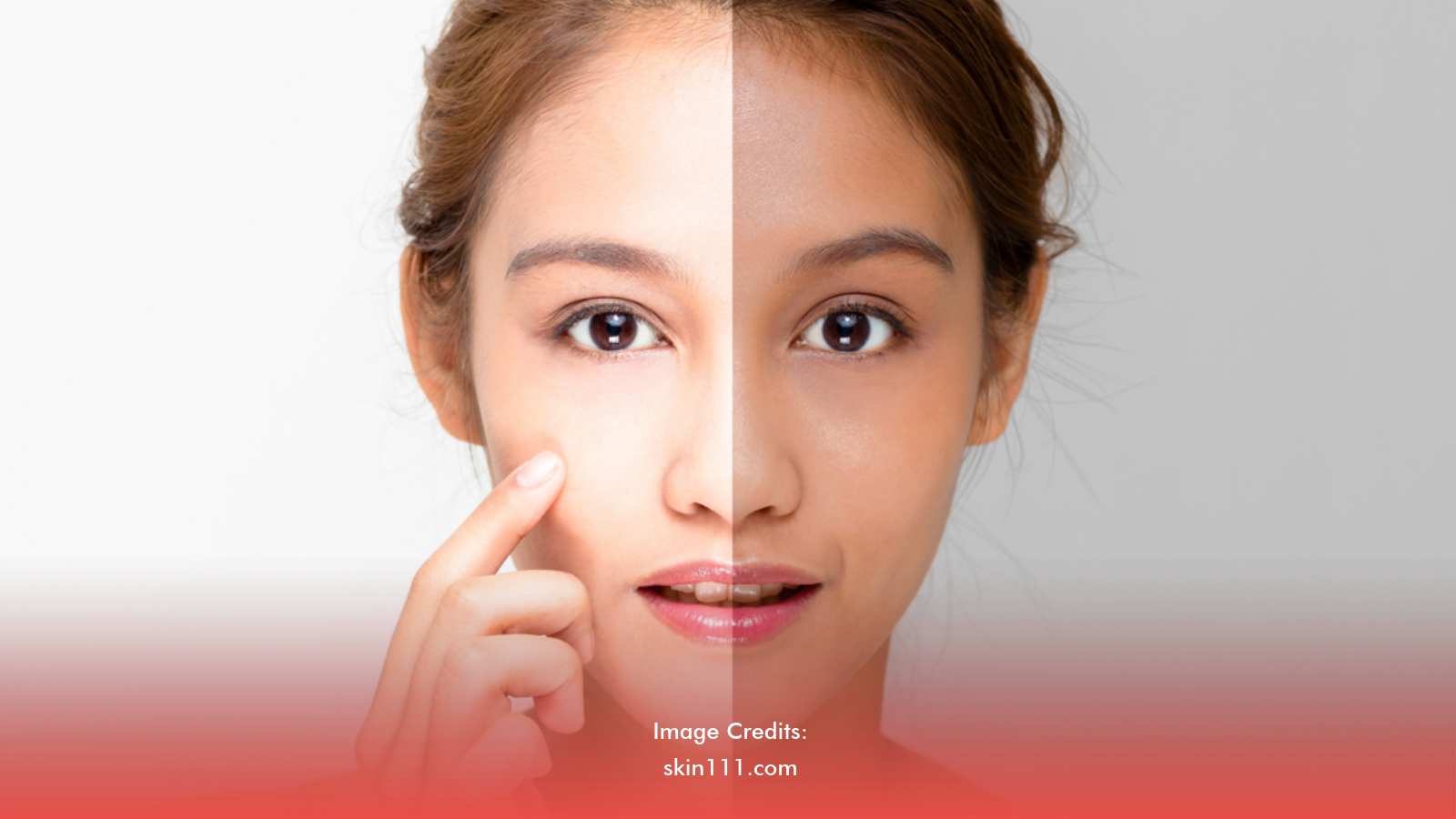
Say the word "mestiza" in the Philippines and most people picture the same thing: fair skin, sharp features, an almost apologetic distance from what "typical" Filipino features are assumed to look like. It's treated as a compliment. That, on its own, tells you everything about how deeply colorism runs in Filipino culture and how long it's been left unexamined.
A Bias With a Paper Trail
Colorism in the Philippines isn't some vague, unsourced prejudice. It has a documented origin: centuries of Spanish and American colonization positioned lighter skin as closer to power, education, and respectability, while darker skin, the typical skin of farmers, laborers, and the working class, was coded as ‘lesser.’ Skin tone became shorthand for social status, and that shorthand never really left. It just got rebranded for each generation, from colonial-era portraiture to modern skincare aisles.
Where It Shows Up Today
The clearest evidence is in the beauty industry itself. Walk into any drugstore and skin-whitening products still occupy prime shelf space, marketed not just as cosmetic choices but as tools for "improvement." The implication is rarely subtle: lighter is better, lighter is more employable, lighter is more marriageable, lighter is more of a Filipino success story.
This isn't limited to skincare. Studies and countless personal accounts point to colorism's fingerprints on hiring decisions, media casting, and even how people are treated in everyday social settings. Being "maputi" can open doors that being "maitim" quietly close, not through any official policy, but through a thousand small assumptions repeated over a lifetime.
Unlearning What Was Taught
The uncomfortable part of talking about colorism is admitting how normalized it's become. It shows up in stray comments from relatives, casting calls, advertising, and compliments people give without thinking twice. None of it started with any one person but it gets passed down unless someone chooses to interrupt it.
Change starts with naming the pattern out loud. Thankfully, it is already happening more openly than it used to. Conversations about representation, skin-tone diversity in media, and the real history behind these preferences are chipping away at assumptions that once went unquestioned.
Colorism took hundreds of years to embed itself into Filipino beauty standards. Undoing it won't happen overnight, but every conversation that treats "maitim" and "maputi" as equally beautiful brings us closer to a culture that no longer needs a colonial ruler to decide who's worth looking at.