
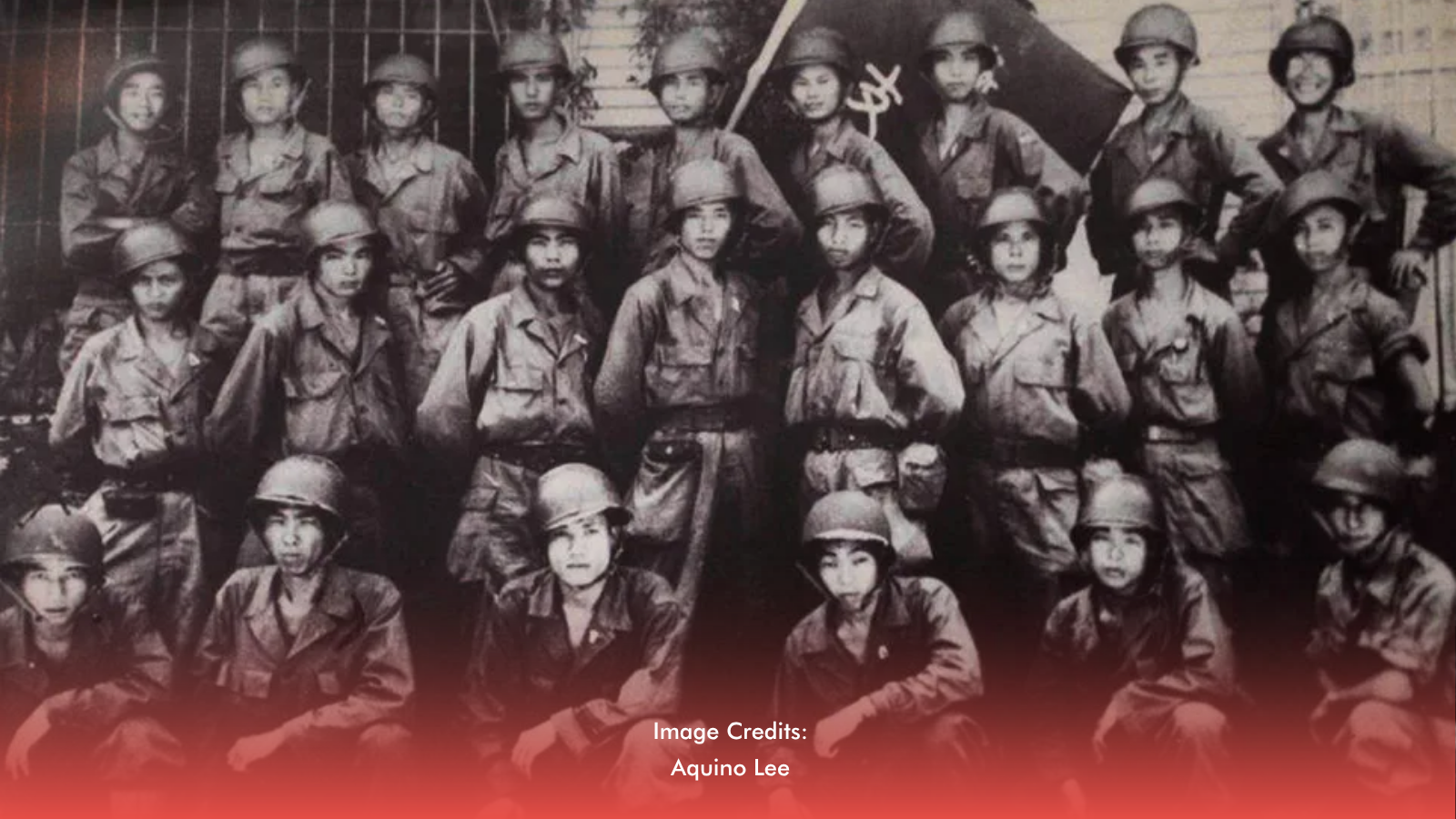
The epic story of the Chinese Battalion, known for defending the Philippines during World War II, reflects a significant yet often overlooked aspect of military history. This article revisits the battalion's contributions and continued impact.
From Community to Combat: How the Chinese Battalion Took Shape
Born from the Chinese community in the Philippines, this battalion emerged from necessity and conviction. Japanese invasion threatened everything these soldiers knew, and they made the choice to fight back. Without formal military training or political obligation to the conflict, they gathered as a community and organised themselves into a fighting force. What began as civilians determined to protect their home would become something far larger: an integral part of the Allied defence strategy in Southeast Asia.
Survival Against The Odds
The battalion's story is not one of military perfection. Resources were scarce, equipment was makeshift, and the enemy was relentless. Yet what stands out is something harder to quantify: an unwillingness to accept defeat. Through brutal combat and desperate retreats, these soldiers learned to adapt and survive. Their knowledge of local terrain and willingness to take on missions others considered suicidal made them invaluable to the Allied commanders on the ground. At critical junctures in the war, their contributions shifted the balance of power.
A Debt We Should Remember
Seventy years on, the courage of these soldiers remains surprisingly absent from mainstream histories of the war. Their sacrifices protected a nation and demonstrated what ordinary people can achieve when faced with extraordinary circumstances. The battalion's legacy is not merely one of military success. It speaks to something deeper about identity, belonging, and the human choice to stand against oppression.
The story of the Chinese Battalion during World War II deserves far more than historical footnotes. These soldiers showed the world what courage and solidarity look like when they matter most.