Between 1948 and 1982, doctors in Manila recorded 722 deaths associated with a recurring pattern. About 96% of the victims were men, with an average age of 33. Most appeared healthy before dying in their sleep, often around 3 a.m. Cases peaked in December and January.
Researchers also found that the recorded rate of sudden unexplained nocturnal death syndrome (SUNDS) among Manila men aged 25 to 44 more than doubled during those 35 years, increasing from 10.8 to 26.3 deaths per 100,000 people annually.
Over the years, death certificates listed different causes. Early records often used the Filipino term bangungot.
What Is Bangungot?
In everyday Tagalog, bangungot means a nightmare. The term is also associated with sudden, unexplained death during sleep, particularly among young men who go to bed seemingly healthy and never wake up.
Medical literature also uses the spelling bangungut. The word is sometimes linked to bangon, meaning to rise, and ungol, meaning to groan, reflecting descriptions of sleepers who stir or make unusual sounds before dying.
The term has two distinct interpretations: folklore attributes the phenomenon to a supernatural being, while medical research points to potentially fatal heart rhythm disorders.
The Folklore
What Is the Batibat?
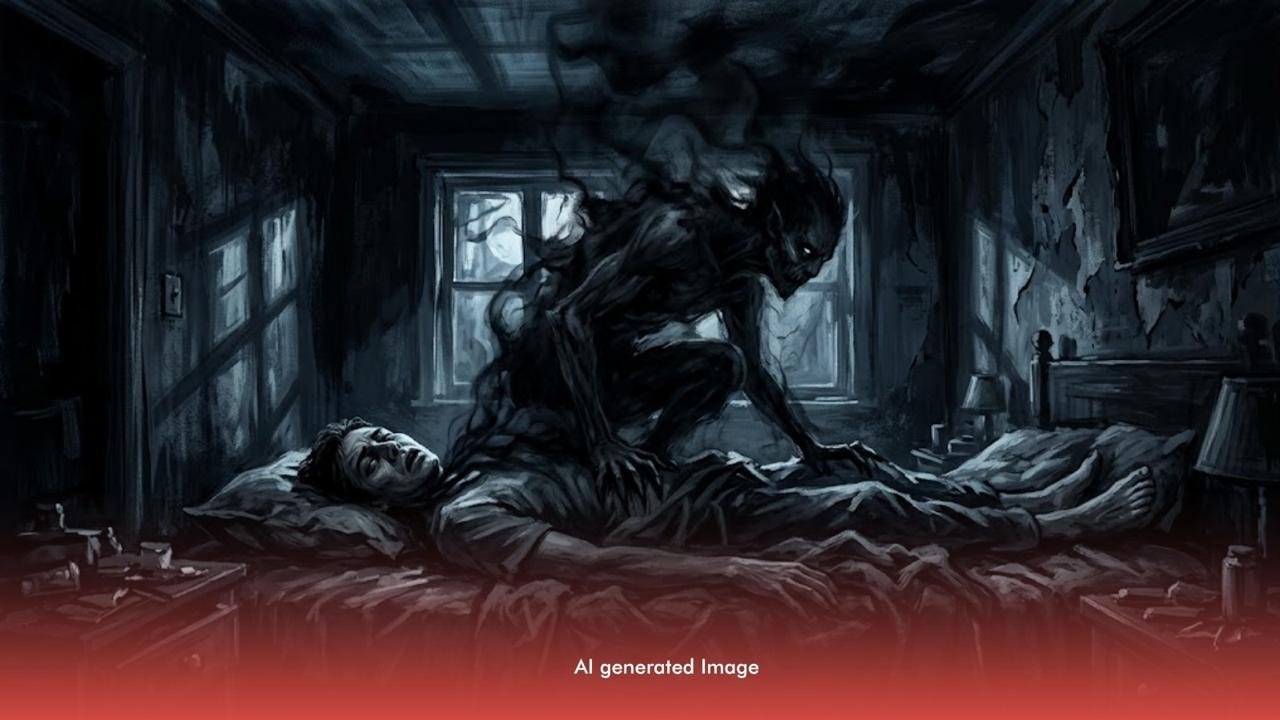
In Ilocano folklore, the batibat is a giant, heavyset old woman who lives in a tree. According to the legend, she becomes homeless when the tree is cut down and used as a house post. She then inhabits the wooden post and targets people who sleep nearby.
The batibat supposedly sits on the sleeper’s chest, leaving the person unable to move or call for help. If the spell is not broken, the victim may suffocate.
What Does an Encounter Feel Like?
The legend resembles experiences associated with sleep paralysis: waking up unable to move, feeling pressure on the chest, struggling to speak and sensing a presence nearby.
Similar supernatural explanations exist in other cultures. Even the English word nightmare has historical connections to the mare, a mythical creature believed to torment people in their sleep.
How Do You Escape the Batibat?
According to Ilocano tradition, moving a part of the body can break the batibat’s hold. Some versions of the story recommend biting the thumb or wiggling the toes.
Other versions warn against sleeping beside wooden posts made from trees that may have been home to the creature. These are folkloric beliefs, however, and are not medically established methods of preventing sudden death.
Is Bangungot Real?
Sudden, unexplained deaths during sleep are documented in medical literature under the term sudden unexplained nocturnal death syndrome (SUNDS). Similar cases have been reported in Thailand, where the phenomenon is called lai tai, and in Japan, where it is known as pokkuri.
Philippine doctors first documented bangungut in a medical journal in 1917.
A study conducted alongside the 2003 National Nutrition and Health Survey interviewed 4,747 households. Researchers estimated that SUNDS caused approximately 43 deaths annually per 100,000 Filipinos aged 20 to 39, with young men accounting for most cases.
Historical records also revealed differences among victims based on where they were born. Bangungot deaths in Manila were more common among men born outside the city than among those born in Manila. This led researchers to consider whether environmental factors, alongside genetics, might contribute to the condition.
What Causes It? Brugada Syndrome
One leading explanation is Brugada syndrome, an inherited heart condition that disrupts the heart’s electrical signals and can trigger a life-threatening irregular heartbeat. It may cause no obvious symptoms before a serious event, which can occur during rest or sleep.
The condition is associated with changes in the SCN5A gene in approximately 30% of cases and is reported much more frequently in men than in women. This gender difference may help explain why historical bangungot cases disproportionately involved young men.
Researchers studying similar cases in Thailand and Japan have linked SUNDS to Brugada syndrome. A 2011 review by Filipino and American researchers found that classic bangungot cases closely matched the syndrome’s characteristics, although the genetic connection in the Philippines had not been fully established.
In a study of 3,072 healthy Filipino adults, 14 showed a distinctive electrocardiogram (ECG) pattern associated with Brugada syndrome. During five years of follow-up, four experienced a cardiac event, such as fainting or a seizure. All 14 were alive at the end of the study, leading researchers to recommend continued monitoring for people with this ECG pattern.
Does Pancreatitis Cause Bangungot?
Acute pancreatitis, or inflammation of the pancreas, has also been proposed as a cause of bangungot, particularly following heavy meals. Some historical Manila autopsy reports identified pancreatic abnormalities in people who died suddenly during sleep.
Before 1944, Manila pathologists did not recognize acute hemorrhagic pancreatitis as a possible cause of bangungot. The condition began appearing in autopsy reports afterward, influencing how some cases were explained.
However, a 2014 controlled autopsy study compared 24 Filipinos who died from SUNDS with 24 matched controls. Seventy percent of the SUNDS cases had normal autopsy findings. None showed acute hemorrhagic pancreatitis, and only one had a small area of pancreatic bleeding.
The researchers concluded that pancreatitis could explain only a minority of bangungot deaths.
What About Sleep Paralysis?
Sleep paralysis is different from bangungot-related deaths and may help explain the batibat legend.
It occurs when a person becomes conscious while the body remains temporarily unable to move during the transition into or out of REM sleep, the stage associated with vivid dreaming. A person may feel awake but be unable to move or speak, sometimes experiencing chest pressure or sensing a presence nearby.
Although frightening, sleep paralysis is generally harmless. A review of 35 studies estimated that about 7.6% of people experience it at least once, with higher rates among students.
Unlike the supernatural explanation in folklore, sleep paralysis has a known connection to sleep physiology. It can feel intense, but an episode by itself is not the same as the sudden deaths associated with SUNDS.
When Should You See a Doctor?
Seek medical advice if you experience unexplained fainting, seizure-like episodes or other concerning symptoms during sleep, particularly if you have a family history of sudden death at a young age. A doctor may recommend an ECG or other tests based on your symptoms and family history.
If someone cannot be awakened or appears to have stopped breathing normally, contact emergency services immediately. Frequent sleep paralysis that causes significant distress or fear of sleeping also warrants medical attention.
The Batibat in Pop Culture
The batibat reached a wider international audience in 2018 through Netflix’s Chilling Adventures of Sabrina. In the episode “Dreams in a Witch House,” a batibat escapes from a puzzle and traps the Spellman family in their nightmares.
Bangungot remains a powerful part of Filipino folklore, but its medical implications deserve serious attention. The batibat offers a cultural explanation for frightening experiences during sleep, while research into heart rhythm disorders continues to help doctors understand sudden, unexplained deaths. The legend and the medical evidence tell different stories, and distinguishing between them can help separate traditional beliefs from potentially life-saving health information.