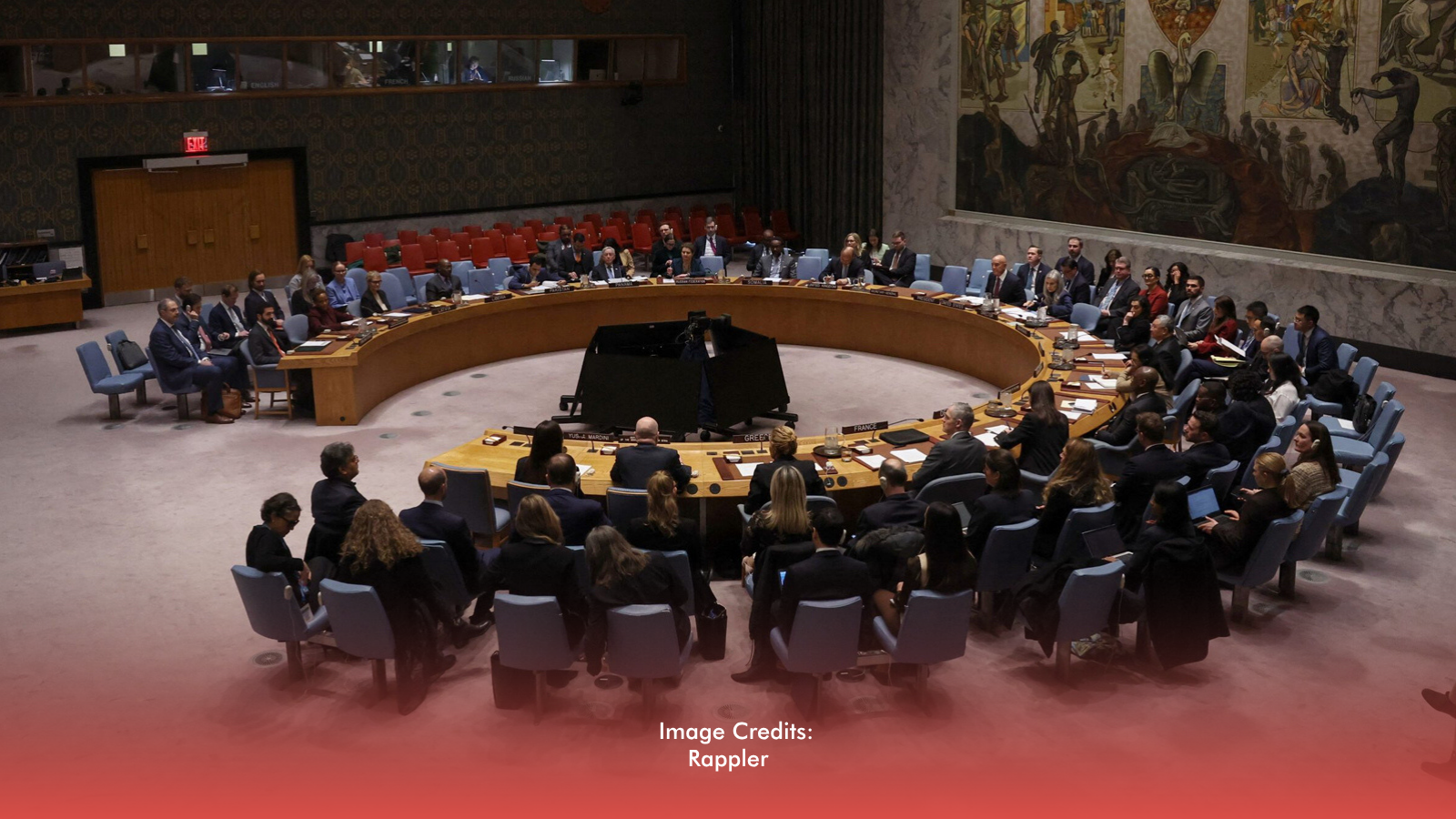
The Philippines has lost its bid for a seat on the United Nations Security Council (UNSC), one of the world's most influential decision-making bodies.
During the election at the UN General Assembly in New York, Kyrgyzstan won the Asia-Pacific seat with 142 votes, while the Philippines received 49 votes in the final round. The winning country needed at least 128 votes to secure the position.
Why Was This Seat Important?
The UN Security Council helps decide how the international community responds to wars, conflicts, and threats to global peace. It can approve peacekeeping missions, impose sanctions, and take action during major international crises.
If the Philippines had won a seat, it would have gained a stronger voice in these discussions from 2027 to 2028. It would also have had a bigger opportunity to promote issues important to the country, such as respect for international law, regional security, and peaceful solutions to disputes.
Will This Affect Ordinary Filipinos?
For most Filipinos, the answer is no—at least not directly.
The loss will not affect jobs, travel, government services, or the country's membership in the United Nations. The Philippines remains an active member of the global organization and can still participate in international discussions.
However, having a seat on the Security Council could have given the country more influence in decisions that affect global stability, humanitarian assistance, and international cooperation.
What's Next for the Philippines?
Foreign Affairs Secretary Ma. Theresa Lazaro said the Philippines respects the outcome of the election and congratulated Kyrgyzstan on its victory.
She stressed that the country remains committed to promoting peace, cooperation, and a rules-based international order.
While the bid was unsuccessful, the Philippines can still pursue its goals through diplomacy and partnerships with other countries. The setback may be disappointing, but it does not change the country's role in the international community or its ability to advocate for issues that matter to Filipinos.