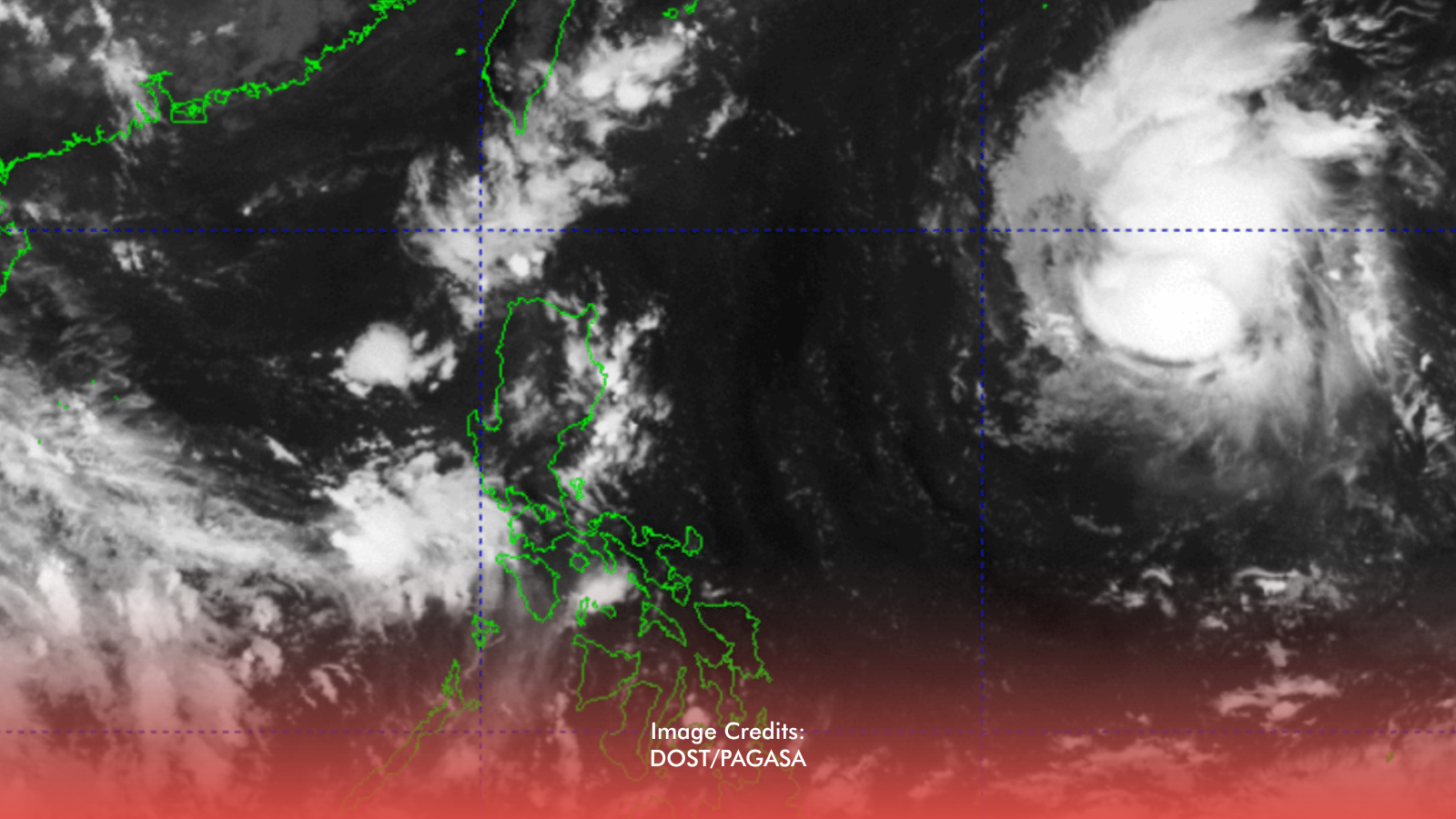
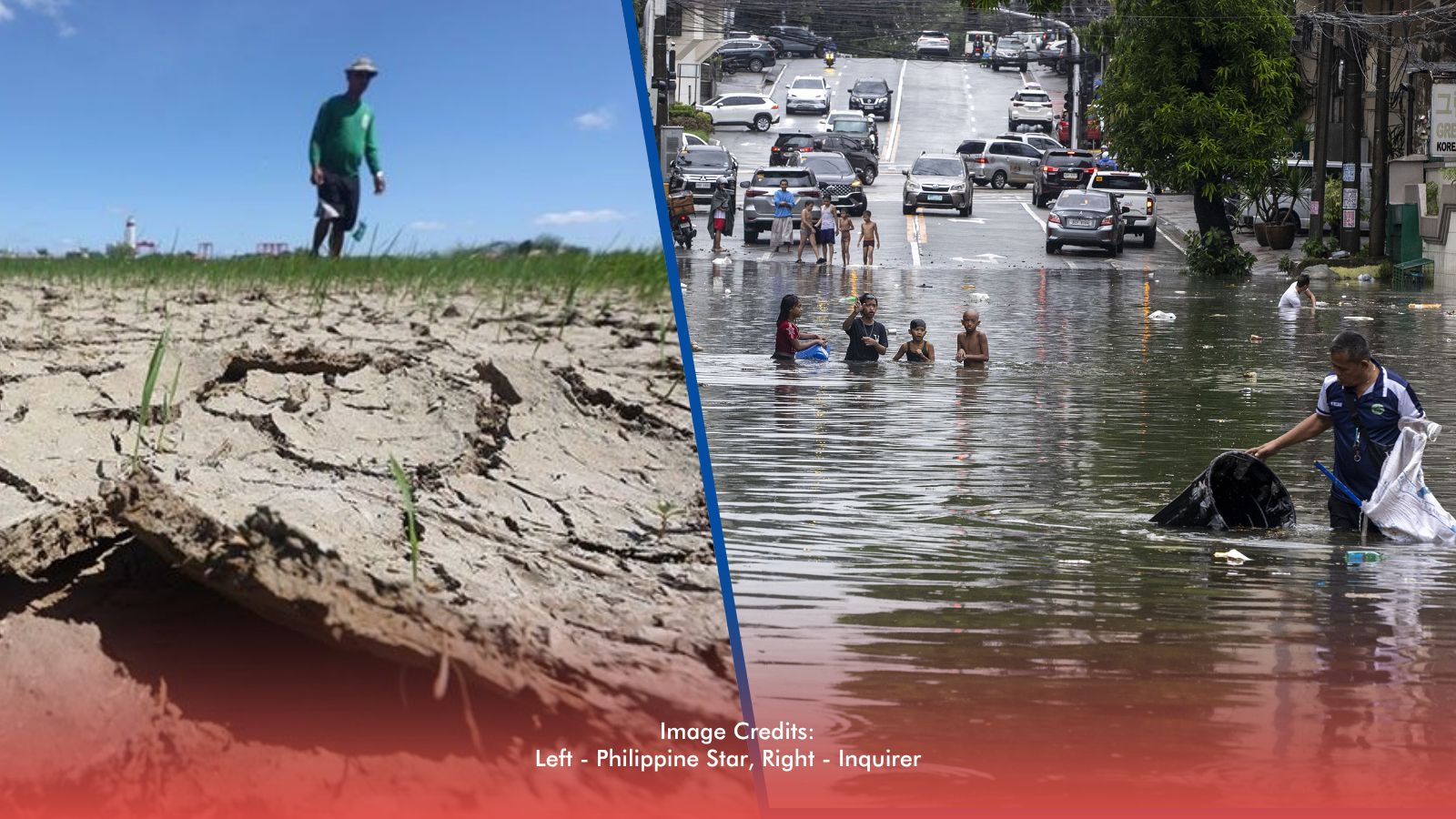
The Philippines is facing an opposing weather pattern. While Habagat continues to bring heavy rains and flooding, PAGASA has warned that a “very strong El Niño” is expected between September and December and may persist through the first half of 2027.
Severe Rainfall in El Niño?
It sounds contradictory. But that’s what we’re dealing with now.
El Niño generally brings warmer temperatures and below-normal rainfall across much of the Philippines. However, PAGASA states that Habagat, alongside active tropical cyclones, can still bring localized, above-normal rainfall, particularly over the western sections of the country.
From Flooding to Drought
That being said, what does the “very strong El Niño” mean, food-wise, water-wise, and energy-wise?
According to PAGASA, rainfall deficits can increase the risk of dry spells and drought, putting food security and water resources under pressure. Less rainfall can mean less water for irrigation, while dams and reservoirs may also receive fewer inflows.
In turn, these may potentially affect energy production and especially public health.
Health At Risk
Flooding increases exposure to dengue and leptospirosis. Meanwhile, extreme heat raises the risk of dehydration, heat exhaustion, and heatstroke.
In fact, a report from Climate Impact Lab projected around 6,500 additional heat-related deaths in the Philippines, with an uncertainty range of ±410, from September 2026 to February 2027.
Preparing for Both Extremes
With this in mind, disaster preparedness matters now more than ever.
Filipinos still need to stay alert for heavy rainfall, tropical cyclones, and flooding while Habagat remains active. But communities, households, farmers, and other climate-sensitive sectors also need to prepare for the “very strong El Niño.”
PAGASA has started this by urging authorities to implement conservation and mitigation measures early. They also emphasize utilizing climate information, including localized climate projections.
For now, one thing is clear: continue mitigating the onslaught of rains while tightening our prep for the impending heat.