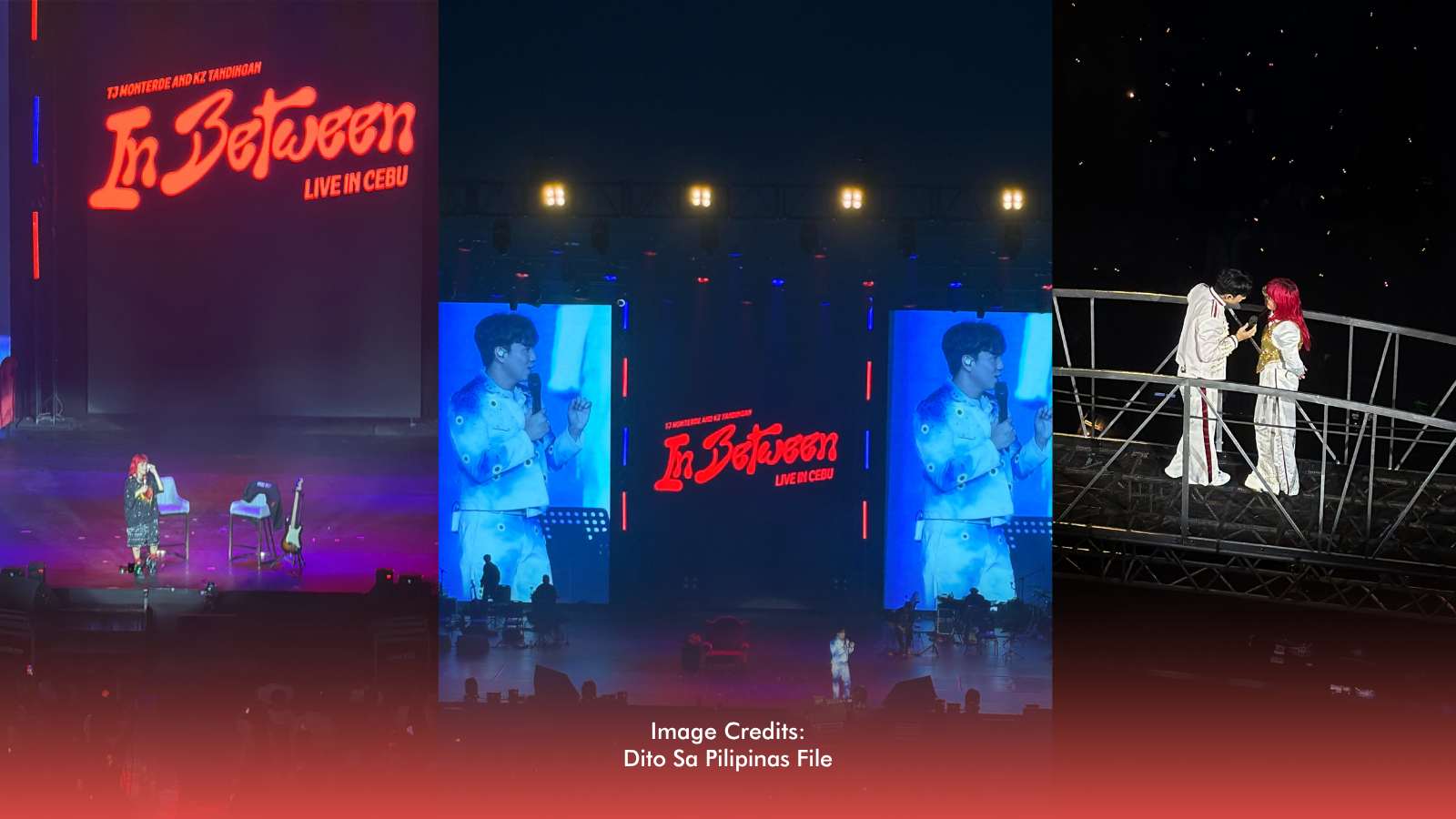
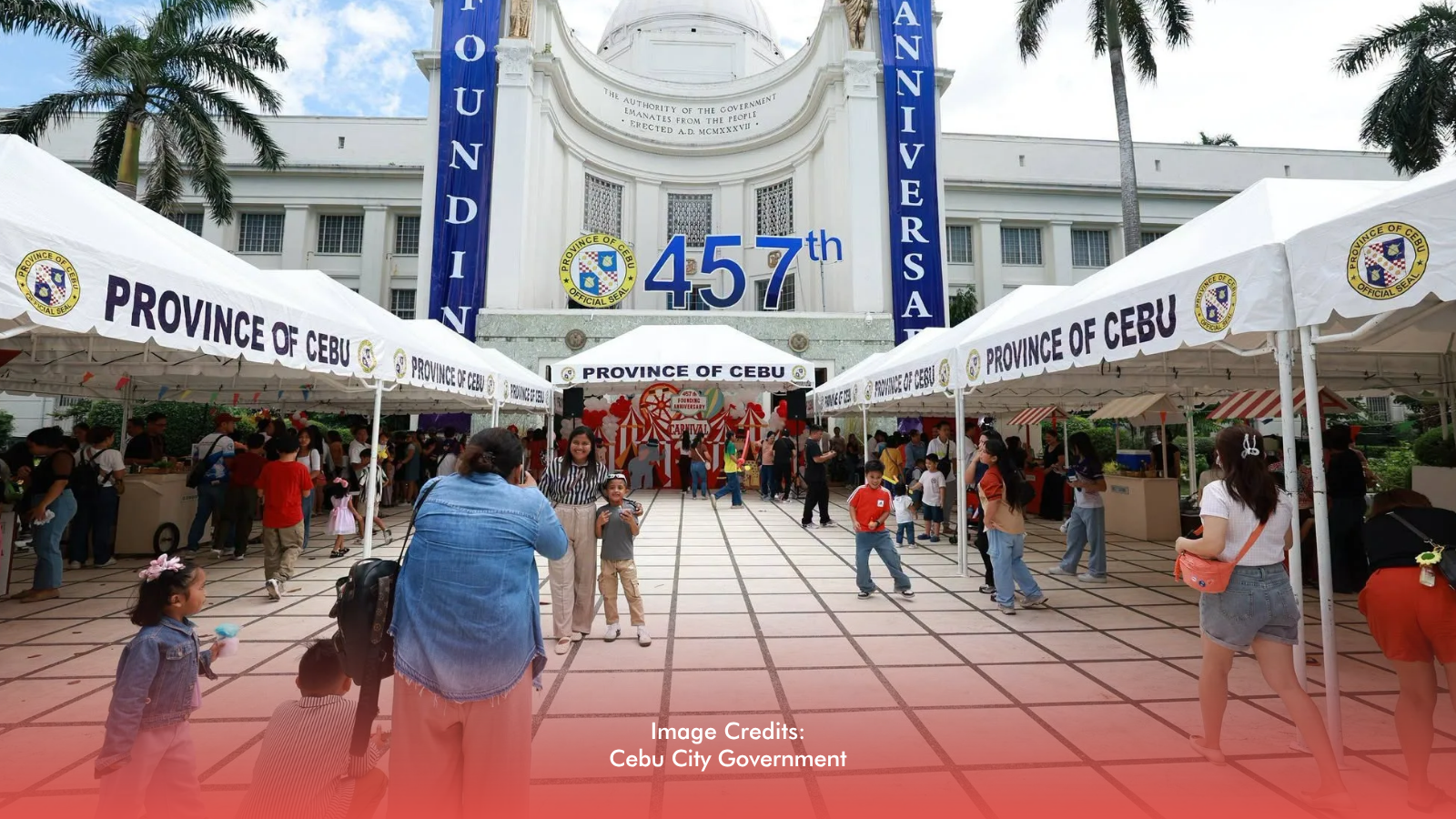
August is a big month for Cebu, as the province marks its 457th founding anniversary through a series of celebrations that put its history, faith, culture, and people in the spotlight.
But anniversaries are not only about counting years. They are also opportunities to ask what has survived, what has changed, and what continues to define a place generations later.
For Cebu, the answer is found in the traditions that remain part of everyday life.
More Than 457 Years of Stories
Cebu's history stretches far beyond the formal establishment of the province. Long before Spanish rule, the island was already an important center of trade and community, connected to neighboring societies across Southeast Asia.
Its history later became intertwined with Spanish colonization, Christianity, migration, commerce, and the growth of one of the country's most important urban centers.
That layered history is part of what makes Cebu's identity distinct. It is shaped by centuries of cultural exchange.
This year's August festivities provide another opportunity to celebrate that heritage through events such as Pasundayag sa Pagtuo and Pasidungog, bringing communities together through faith, recognition, and cultural expression.
Heritage Meets the Present
Culture stays alive when people continue to practice it.
That can mean religious traditions passed down through families, local food and crafts, music and dance, stories told in Cebuano, or community celebrations that bring generations together.
It is also why cultural celebrations matter. They give younger Filipinos a chance to encounter traditions not simply as things found in history books, but as something they can participate in and carry forward.
And this makes Cebu's August celebrations particularly timely as the Philippines also observes Buwan ng Wika.
A Language Is a Home Too
Buwan ng Wika is often associated with school programs, Filipino poems, speeches, and traditional clothing. But the deeper idea behind the celebration is the role language plays in preserving identity.
In Cebu, that conversation naturally includes Cebuano and the many other languages spoken across the Visayas.
Language carries humor, memories, expressions, traditions, and ways of seeing the world that cannot always be perfectly translated. When a language remains spoken across generations, so does a piece of the culture that created it.
This is why celebrating regional languages makes our Filipino identity richer.
Celebrating What Makes Cebu Cebu
Cebu's 457th anniversary is ultimately a celebration of continuity.
The island has changed dramatically across centuries. It has grown into a major center for business, tourism, education, and culture. Yet many of the traditions that shaped its communities continue to find space in modern Cebuano life.
That is perhaps the most meaningful way to celebrate an anniversary: not simply by looking backward, but by recognizing how the past continues to live in the present.
And as August brings Cebu's history, heritage, and language into focus, it offers a reminder for the rest of the country too.
The Philippines is not one story. It is thousands of stories, languages, traditions, and communities that continue to shape what it means to be Filipino.