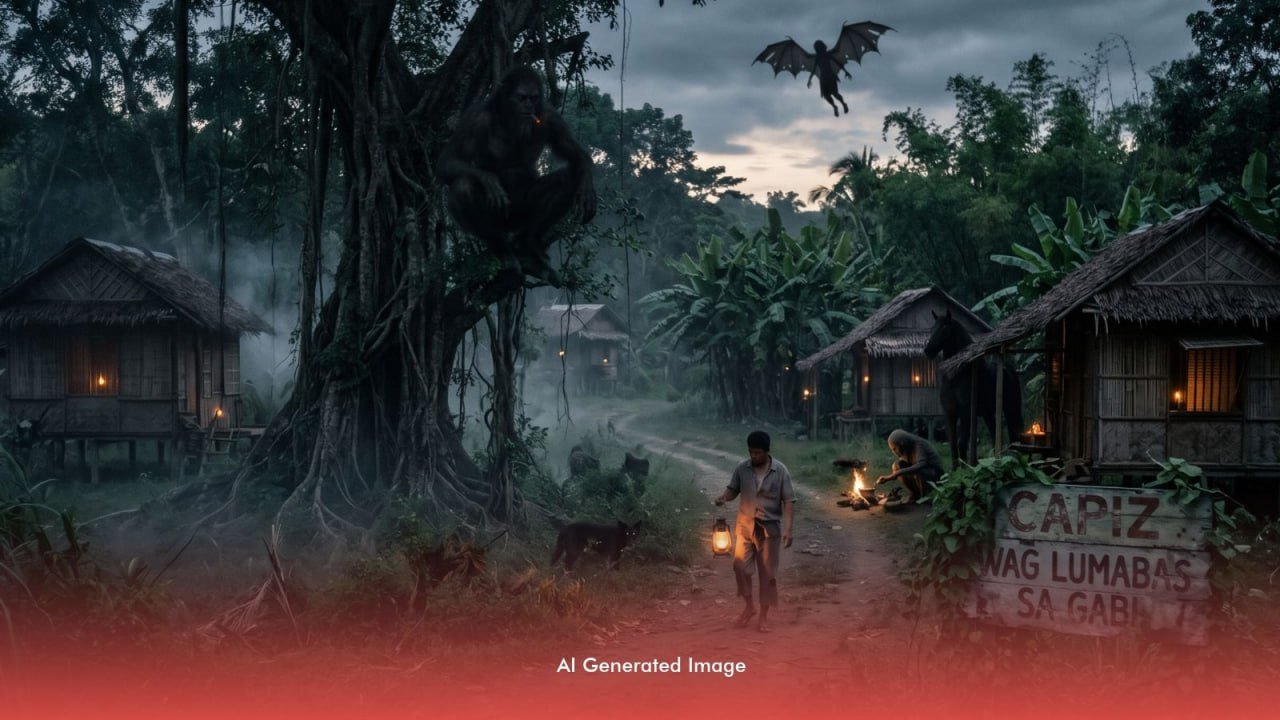
Mention Capiz in a conversation about Philippine folklore, and someone might bring up the aswang. The province has become so closely associated with these supernatural creatures that the name itself often sparks jokes, ghost stories, and eerie speculation.
But how did Capiz earn this reputation? And what happens when a community becomes known not for its people or history, but for a monster in a legend?
The story of Capiz's aswang reputation is about more than folklore. It is also about cultural identity, public perception, and the consequences of turning supernatural stories into assumptions about real people.
Why Is Capiz Associated With Aswang?
Capiz has long been associated with aswang stories in popular Philippine culture. The connection appears in conversations, entertainment, and online discussions, where the province is often portrayed as a supposed home of supernatural creatures.
However, the precise historical origins of this reputation are difficult to establish. It would be misleading to attribute it to one event or claim that Capiz was the birthplace of the aswang without stronger historical evidence.
Folklore, regional storytelling, media portrayals, and repeated jokes may all contribute to how a place becomes associated with a particular legend. Over time, repetition can make the association seem like an established fact, even when it remains a cultural stereotype.
There is no credible evidence that Capiz residents are supernatural beings or that the province is uniquely home to aswang.
What Does the Aswang Mean in Local Life?
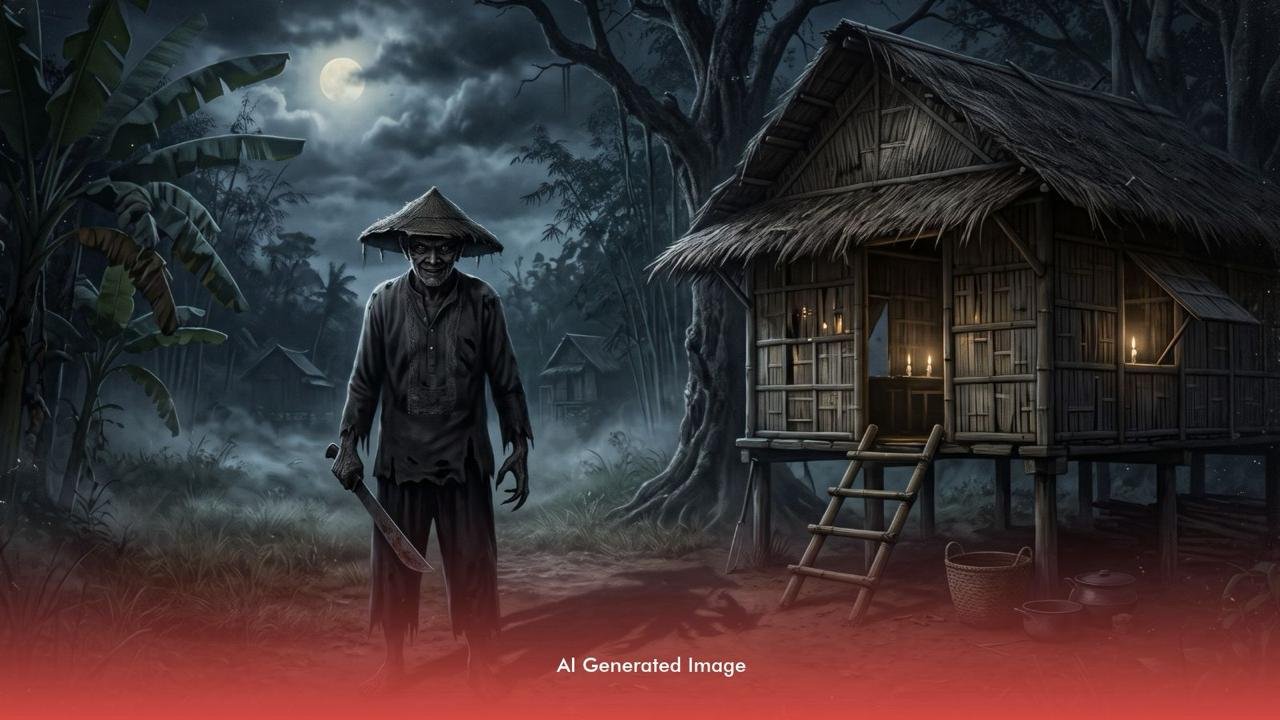
In Philippine folklore, the aswang is often portrayed as a creature that looks human and blends into an ordinary community. This ability to hide in plain sight is part of what makes the stories frightening.
But when the label is applied to actual people, the consequences can extend beyond storytelling.
Anthropologist Kentaro Azuma examined the everyday life of a woman labeled an aswang in a village in Capiz. His 2002 article described her ordinary livelihood, including catching and selling shrimp and crabs, while examining the social circumstances surrounding the label.
The study offers a different perspective on the legend. Instead of treating the aswang as a creature to be hunted or exposed, it examines what happens to a real person when others associate her with a supernatural identity.
What Happens When Someone Is Accused of Being an Aswang?
A supernatural accusation can affect how a person is treated by neighbors and even by members of the wider community.
Ordinary behavior may suddenly seem suspicious. Someone who keeps to themselves might be viewed with fear, while a family's success or another person's illness could become the subject of rumors.
These suspicions can reinforce one another without providing evidence that anyone has done something wrong.
Did You Know?
Azuma's research focused on a woman who was described by others as an aswang, but whose daily life involved ordinary work and responsibilities. This shifts the focus from the frightening creature in the legend to the real person living under its shadow.
This is why folklore reporting requires care. A person's reputation, livelihood, and relationships should not be put at risk simply because of an unverified supernatural claim.
Do Capiznons Believe They Live in “Aswang Country”?
There is no single answer that represents every Capiznon.
Some residents may enjoy telling aswang stories as part of local folklore. Others may reject the association, find it insulting, or use the reputation humorously. Some may also see opportunities to promote local culture and tourism through supernatural storytelling.
A 2017 study examining the so-called Capiz Aswang Phenomenon discussed the relationship between the reputation, stereotyping, and Capiznon identity. It highlights why the subject should be understood as a social and cultural issue, not simply a collection of ghost stories.
However, such research should not be treated as proof that every resident feels the same way or that supernatural claims are true.
Is Capiz the Only Place With Aswang Stories?
No. Aswang traditions appear in different parts of the Philippines, with variations in names, characteristics, and stories depending on the region and community.
Capiz's distinction lies in how strongly its name has become associated with the aswang in national popular culture. The repeated connection between the province and the creature has helped turn a regional reputation into a familiar national stereotype.
But the diversity of Philippine folklore deserves more attention than the idea that one province is the country's supernatural capital.
How Should the Story of Capiz Be Told?
The story should include the voices of the people who live there.
Local historians, cultural workers, researchers, and residents can offer perspectives on how the reputation developed, how it affects daily life, and whether it is experienced as harmless humor or an unwelcome stereotype.
Their accounts can also help distinguish long-standing local traditions from stories amplified by television, films, and social media.
Rather than portraying Capiz as a place filled with monsters, a more meaningful approach is to explore how its folklore became nationally recognizable and how residents understand that legacy today.
The People Behind the Legend
The aswang remains an enduring figure in Philippine folklore, inspiring stories that continue to fascinate and frighten audiences. But Capiz is more than the reputation attached to its name.
Behind the jokes and supernatural tales are people with their own histories, livelihoods, traditions, and identities.
The real story is not whether Capiz is home to aswang. It is how a legend became a label for an entire province, and why it matters to distinguish cultural folklore from accusations against real people.
A province should not have to live in the shadow of a monster story. And sometimes, the most important part of a legend is not the creature itself, but what happens to the people caught in its telling.