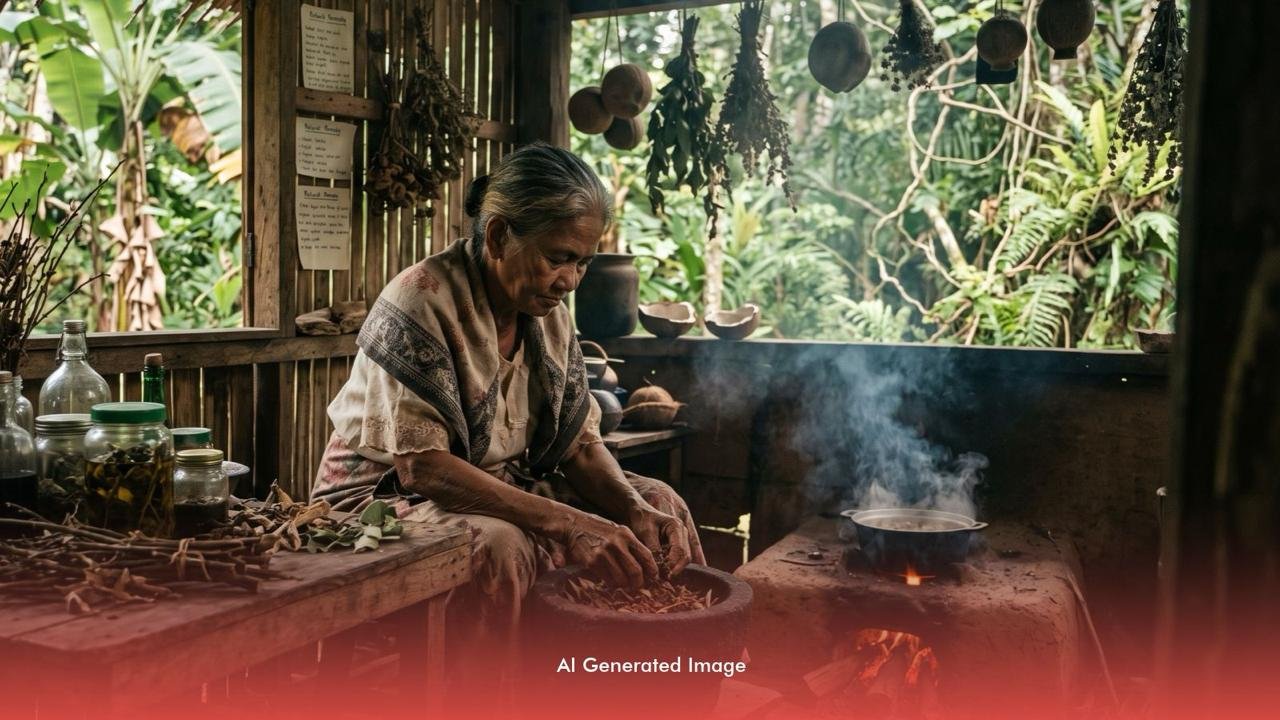
Beyond its reputation for witchcraft, Siquijor is home to traditional healers, medicinal plants, spiritual practices and a Holy Week gathering that continues to attract visitors. Here is what researchers have documented about the island's healing traditions.
At Mount Bandilaan in Siquijor, Holy Week brings more than churchgoers. Visitors also come to learn about traditional healing, medicinal plants, oils and remedies passed down through families and local communities.
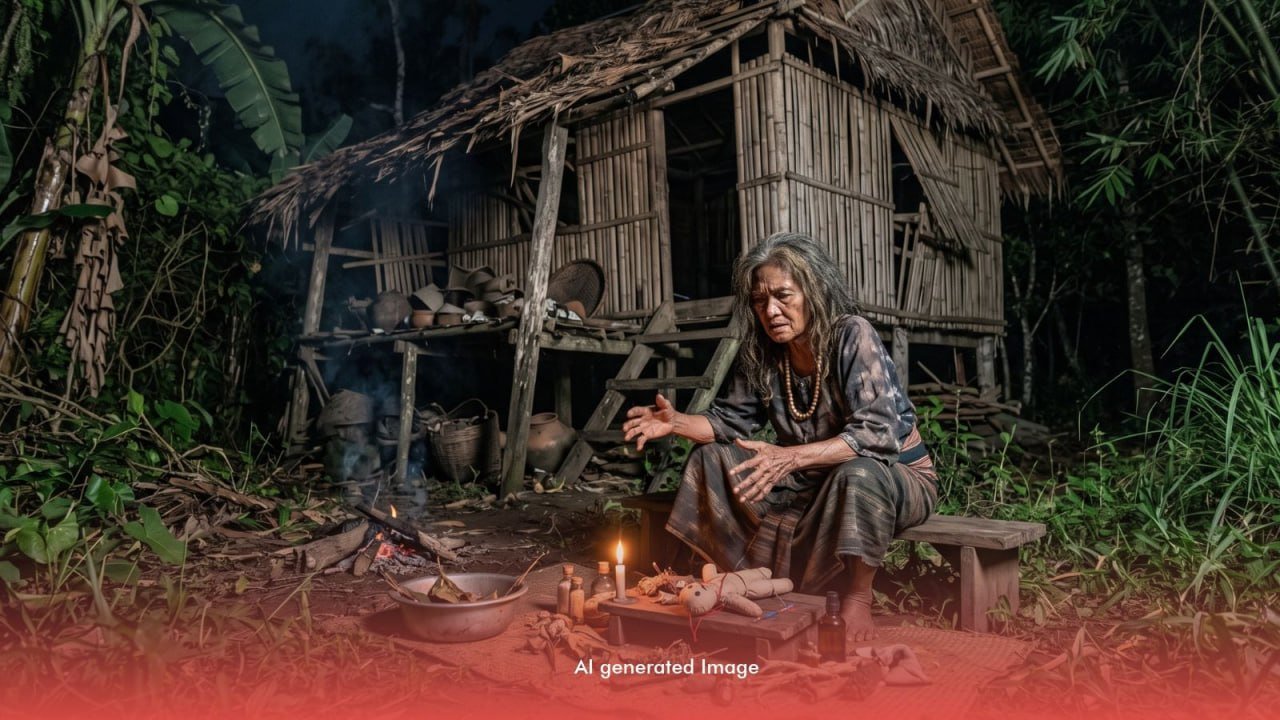
Tourist stories often portray Siquijor as an island of witches. Its living healing traditions, however, are far more complex, combining cultural knowledge, spirituality and practices that researchers continue to document.
Why Is Siquijor Associated With Magic?
Stories about sorcery, healing and supernatural illness have circulated around Siquijor for generations. Over time, these accounts helped shape the island's reputation, reinforced by tourism and popular folklore.
However, describing every traditional healer as a witch overlooks important distinctions between healing practices and beliefs about sorcery.
One of the island's traditional practitioners is the mananambal, who may use medicinal plants, prayer, massage and rituals to address illnesses or other concerns. Practices vary among individuals and communities, reflecting different forms of inherited knowledge and belief.
Did You Know? A 1971 study published in Silliman Journal surveyed 133 people and found a distinction between believing that sorcery existed and attributing particular illnesses or deaths to it. The findings suggest that belief in supernatural forces does not necessarily mean people blame them for every misfortune.
What Happens at Mount Bandilaan?
Mount Bandilaan is closely associated with Siquijor's traditional healing practices. During Holy Week, practitioners and visitors gather in connection with the preparation of herbal remedies, oils and other traditional materials.
The gathering has also become an opportunity to showcase the island's cultural heritage. In April 2026, the Philippine Information Agency reported on Siquijor's Healing Festival at Mount Bandilaan, highlighting its role in promoting spiritual traditions and tourism.
The festival offers a glimpse into local customs, but the presence of a remedy at a cultural event does not automatically establish its medical effectiveness or safety.
What Do Researchers Know About Siquijor's Healers?
Researchers have documented various aspects of traditional healing in Siquijor, including the use of plants, preparation of remedies and the social role of healers.
Studies published in Silliman Journal have examined local beliefs about sorcery and healing practices. One account documented a treatment for toothache known as to-ob, illustrating how traditional remedies form part of the island's healing knowledge.
Universities and Philippine research institutions have also supported efforts to document traditional knowledge associated with Mount Bandilaan and surrounding communities.
Did You Know? Documenting a traditional remedy is different from proving that it works medically. Researchers can record its ingredients, preparation and cultural significance while separately investigating its effectiveness, possible side effects and safety.
This distinction allows traditional knowledge to be studied respectfully without assuming that every remedy is effective or harmless.
What Is the Difference Between a Mananambal and a Mangkukulam?
A mananambal is generally associated with traditional healing, while mangkukulam is a Tagalog term for someone believed to cast harmful spells.
The terms come from different cultural and linguistic contexts, and their meanings do not always correspond neatly across regions. Applying the label mangkukulam to Siquijor's healers can reinforce stereotypes and unfairly portray practitioners as dangerous.
Beliefs about sorcery can also have real consequences when accusations are directed at specific people. A rumor that someone has cursed a neighbor can lead to fear, discrimination or violence, even without evidence of supernatural harm.
Understanding the difference between cultural healing practices and accusations of witchcraft is therefore important when discussing the island.
Can Traditional Healing Replace a Doctor?
Traditional healing may hold cultural and spiritual significance, but it should not replace urgent medical care or evidence-based treatment for serious illnesses.
Some plants contain compounds with medicinal properties, while others may cause harmful reactions or interact with medications. A remedy's long history of use does not automatically establish that it is safe or effective for a particular condition.
Researchers can respect the knowledge of traditional healers while examining which treatments have scientific support and what risks they may carry. Cultural respect and medical evaluation can go hand in hand.
Should Travelers Visit Siquijor's Healing Festival?
Visitors interested in Siquijor's traditions can approach public festivals as cultural experiences rather than spectacles about witchcraft.
Travelers should ask permission before photographing healers or private rituals, respect practitioners' boundaries and avoid collecting medicinal plants without authorization. Checking schedules and visitor guidelines with local tourism authorities can also help ensure a respectful visit.
Traditions of the Island
Three elements help explain why Siquijor's healing culture continues to attract attention:
- Holy Week gatherings: Seasonal events that bring attention to traditional healing practices and local heritage.
- Medicinal plants: Natural materials used in remedies and documented as part of traditional knowledge, though not automatically validated as medicine.
- Healing and belief: Cultural and spiritual explanations that influence how people understand illness and seek treatment.
Siquijor may be famous for magic, but its story extends beyond rumors of witches and supernatural powers. The island's healers, inherited knowledge and community traditions offer a deeper look into how Filipinos understand health, spirituality and the natural world.
Understanding these practices means looking beyond sensational stories and listening to the people who have kept the traditions alive.