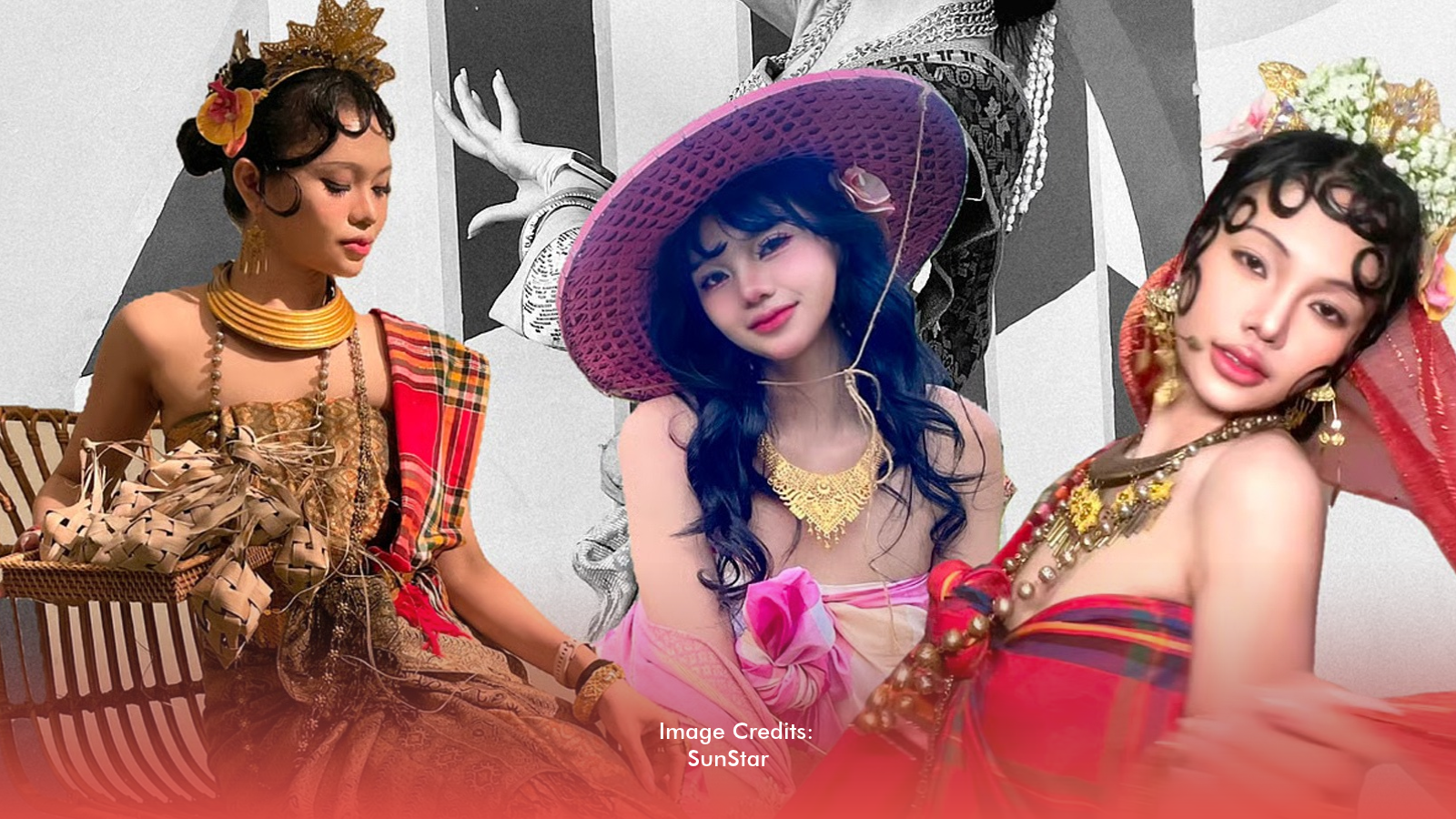
Walking through Cebu in pre-colonial Visayan attire often draws curious looks from commuters and jeepney passengers. For visual artist, illustrator, and cultural researcher Sharrie Gail Villaver, these reactions are opportunities to introduce people to a lesser-known part of Filipino history.
“I’d take comments like ‘asawa ni Lapulapu’ anytime, or even just ‘Sinulog,’” she said, noting that many Filipinos were never taught much about the pre-colonial era in school.
Rather than keeping traditional garments for museums or Buwan ng Wika celebrations, Sharrie wants to make them part of everyday life.
Her interest began in junior high school, when she joined a choir that performed folk music internationally. Inspired by traditional clothing worn by performers from different cultures, she later pursued Arts and Design and fine arts.
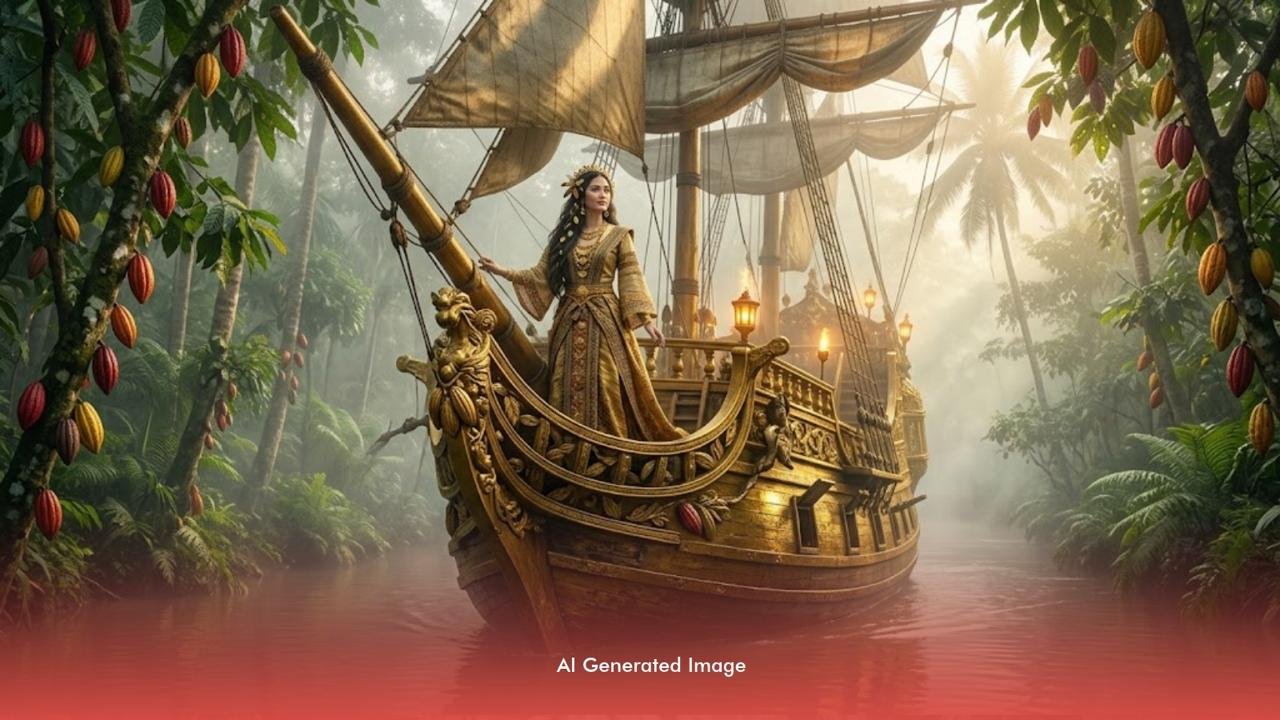
In 2020, she recreated a pre-colonial Visayan outfit using historical books as references. The photoshoot gained attention online, leading her to join Karakoa Productions, a cultural advocacy group co-founded by her sister. The collective researches and recreates pre-colonial Visayan clothing.
Wearing History Beyond Special Occasions
Sharrie’s approach to traditional fashion evolved after she noticed how people in other Southeast Asian countries continued wearing their ancestral clothing in daily life.
“Once I realized that other Southeast Asian countries still wear their traditional clothing on a daily basis, I began to adopt the same mindset toward our own traditional clothing,” she said.
One garment she particularly values is the tapis, a traditional wrap that remains in use among some older women. For Sharrie, it represents the survival of pre-colonial traditions despite centuries of cultural change.
She believes wearing ancestral clothing also requires understanding its significance, especially when garments feature sacred symbols or culturally meaningful designs.
“It all comes down to care and intention,” she said, emphasizing that learning an element’s origins makes wearing it an act of appreciation rather than simply a fashion choice.
Research Before Reinvention
Sharrie describes herself primarily as an illustrator and stylist, with research guiding her creative process.
Her team cross-references historical books and ancient dictionaries, studies surviving traditions, and sources handwoven fabrics from Filipino weavers. When original materials or designs are unavailable, they use carefully chosen substitutes or rework existing garments.
Outside advocacy, Sharrie works as a graphic designer and illustrates assets for an upcoming indie folk horror game.
“Not everything I do has to be connected to my advocacy,” she said. “At the end of the day, I’m just a regular person who happens to be very passionate about pre-colonial Visayan culture and history.”