Western Visayas has been placed on blue alert as a strengthening El Niño threatens farms, water supplies, and food security, Panay News reported. An estimated 733,000 families across the region could be affected by severe drought by the end of February 2027.
The Regional Disaster Risk Reduction and Management Operations Center (RDRRMOC) raised the alert on Sunday morning, October 11. A blue alert means key emergency response teams are activated and agencies are on standby.
Three in Four Families
The Department of Social Welfare and Development (DSWD) Region 6 said about 75 percent of the region’s roughly 972,000 families could be affected, according to Panay News.
That estimate is based on modeling that assumes 25 percent more affected families than during the 2023–2024 El Niño. In plain terms, about three out of every four families in Western Visayas may need some form of help.
What the Weather Bureau Says
According to the Philippine Atmospheric, Geophysical and Astronomical Services Administration (PAGASA), a strong El Niño is already under way in the tropical Pacific. It could become a “very strong” event before the end of 2026, with effects lasting through the first half of 2027.
PAGASA expects Western Visayas to get:
- Below-normal rainfall in October and November 2026.
- Way-below-normal rainfall from December 2026 to March 2027.
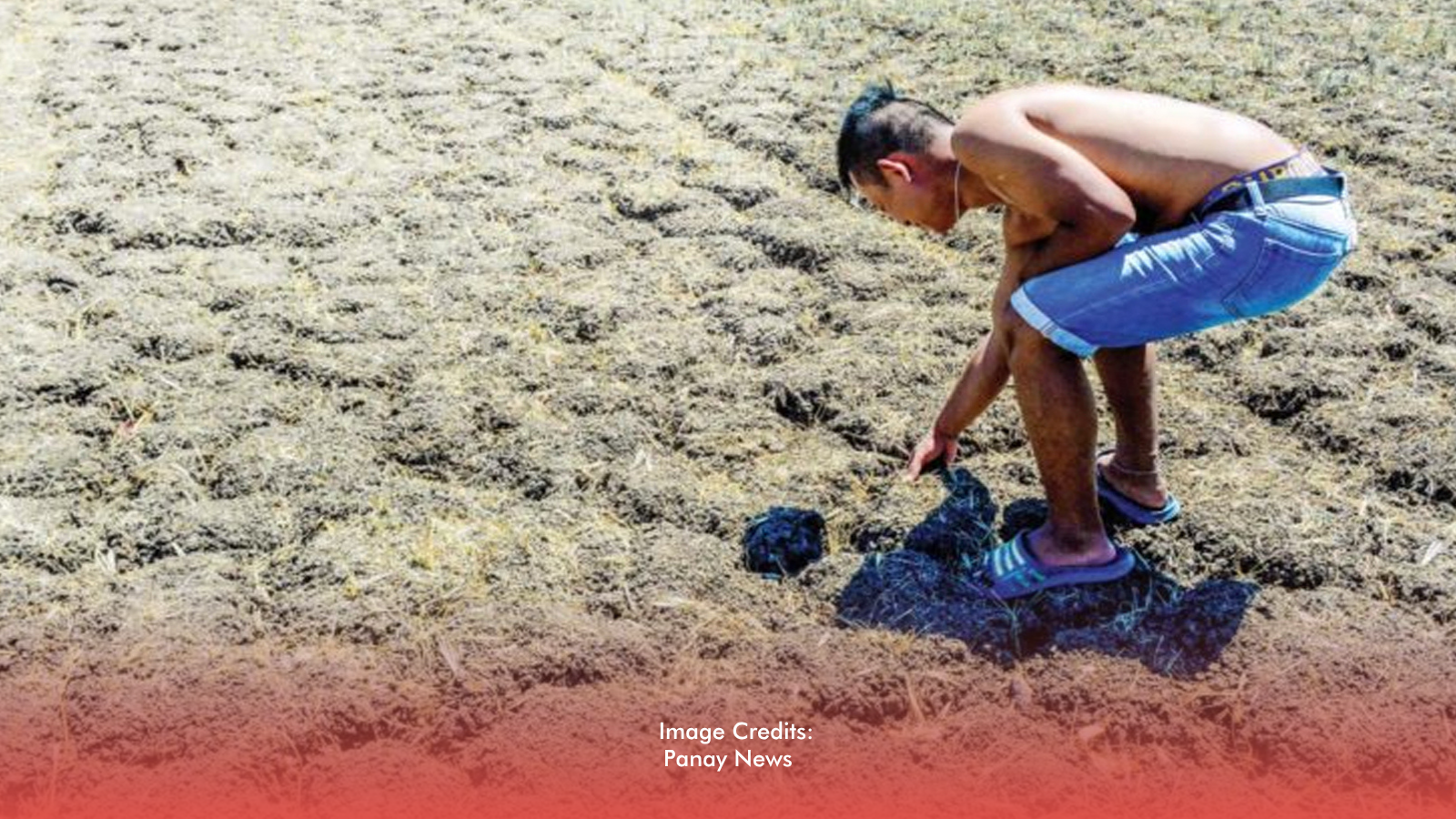
- Severe drought across the entire region by March.
Who Is Most at Risk
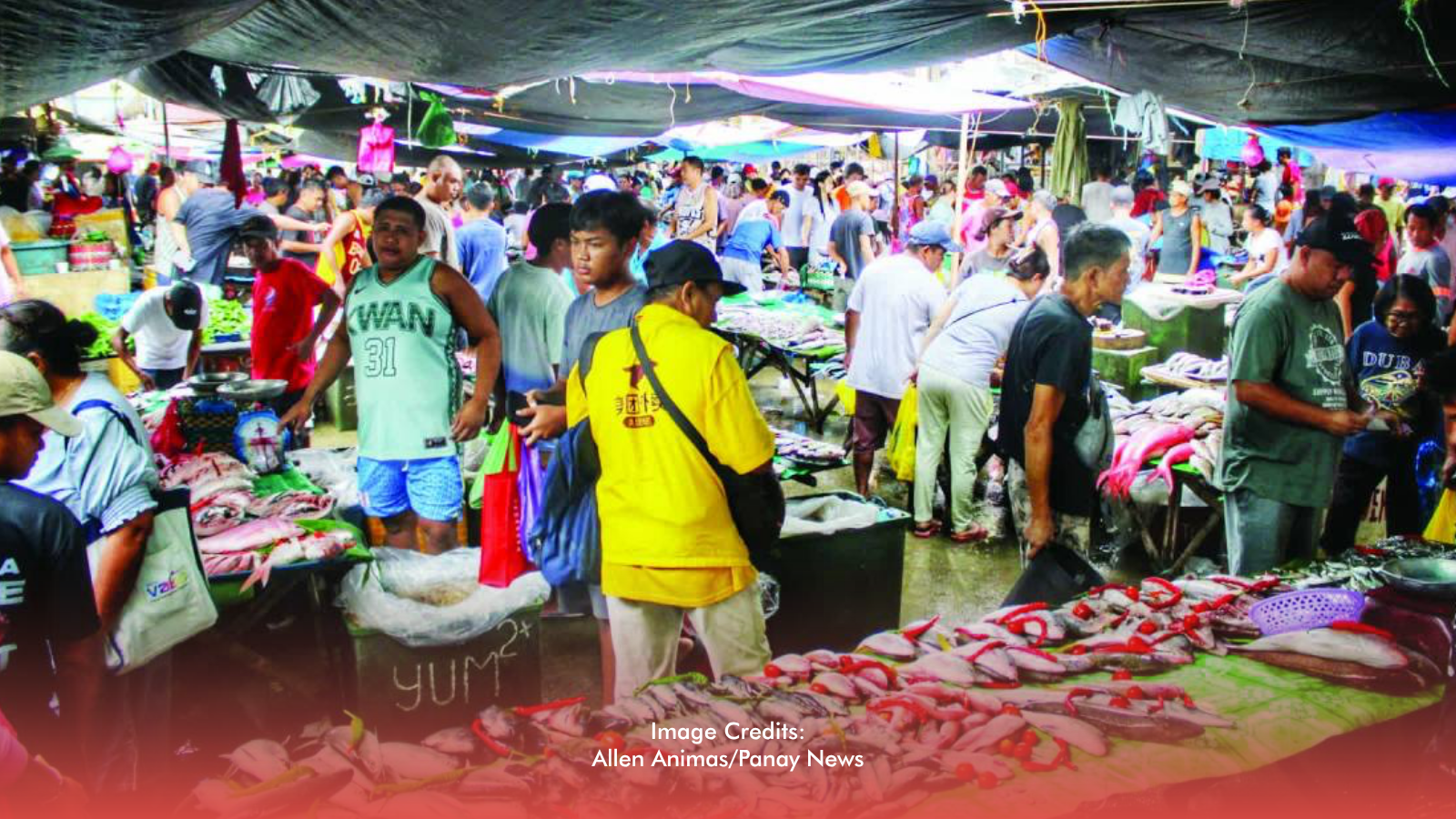
The DSWD named farmers and fisherfolk among the most vulnerable. A long drought could hurt crops, reduce water, damage fishing grounds, and cause big income losses.
Families in towns with a history of severe water shortages are also at high risk. Higher temperatures could also lead to dehydration, heat exhaustion, and malnutrition, especially among older persons and persons with disabilities, the agency warned.
Who Does What
The estimates were presented during a Pre-Disaster Risk Assessment held online on October 9 by the Office of Civil Defense (OCD) Region 6 and member agencies of the regional disaster council. It was led by OCD regional director Raul E. Fernandez and OCD Operations Section chief Atty. Melissa P. Banias.
Under the blue alert, according to Panay News:
- OCD leads logistics.
- DSWD handles food and non-food aid, including family food packs and financial aid.
- Department of Health oversees health preparedness.
- Philippine National Police handles law and order.
- Philippine Information Agency leads crisis communication.
The National Irrigation Administration (NIA) reported ongoing desilting, or clearing mud and debris from canals, and the distribution of water pumps to farmers. The Jalaur River Multipurpose Project Stage II is also helping add water supply in parts of Iloilo. The National Food Authority committed to regularly reporting the region’s rice buffer stocks.
What’s Next
Agencies were told to submit their El Niño programs to their sector leads so these can be combined into one regional response. The goal is to find gaps and strengthen readiness before the drought reaches its worst stage, according to the report.
For families, the months ahead are a window to prepare, before the dry season deepens toward early 2027.