Metro Manila offers a clear example of what reliable electricity can look like in the Philippines. In 2025, the average Meralco customer experienced fewer than one outage for the entire year, with interruptions lasting a combined total of about 90 minutes, according to company records. Its more than eight million customers also help spread infrastructure costs, keeping certain charges among the country's lowest.
Yet Manila households still pay heavily for electricity. A typical Meralco household rate reached about P14.74 per kilowatt-hour in September 2026, above the midpoint among roughly 100 utilities nationwide. Much of the cost comes from power generation, with natural gas accounting for an increasing share of supply and exposure to imported fuel prices and peso fluctuations.
Reliable electricity should not be a privilege limited to the capital. The country needs an energy plan that improves reliability while lowering costs across all regions.
Outside Manila, Higher Bills Come With More Brownouts
The Visayas faced serious supply problems from May to September, when major coal plants in Cebu and Iloilo experienced breakdowns around the same time. By late September, the National Grid Corporation of the Philippines (NGCP) had issued 159 warnings about tight or insufficient power supply on the Visayas grid.
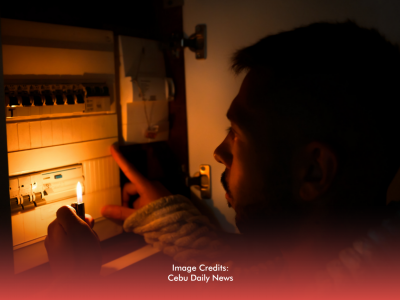
Utilities resorted to rotating outages. MORE Power in Iloilo City said households could lose electricity two or three times a week. These interruptions affect families, spoil food, disrupt small businesses and make studying at home more difficult. Negros and parts of Mindanao experienced similar problems.
Consumers also paid more for electricity in September 2026.
|
Area |
Typical household rate per kWh |
|
Meralco, Metro Manila |
About P14.74 |
|
Visayas utilities, average |
About P15 |
|
Some Negros cooperatives |
About P16–P17 |
|
Luzon utilities, average |
About P12 |
Wholesale electricity prices also widened the regional gap. In August, average spot-market prices reached about P18.59 per kWh in the Visayas and P19.56 in Mindanao, compared with about P4.80 in Luzon. The Energy Regulatory Commission (ERC) imposed separate price caps in the Visayas and Mindanao.
Energy Secretary Sharon Garin acknowledged the planning problem, noting that the Visayas had gone years without a major new power plant. The Department of Energy (DOE) also blamed NGCP for delays in arranging backup power for the region.
Why Electricity Bills Keep Rising
Utilities generally rely on long-term power supply contracts and the spot market, where electricity is bought as needed.
Long-term contracts can expose consumers to fuel price increases and peso depreciation when those costs are passed through to bills. Meanwhile, when contracted plants fail, utilities turn to the spot market, where more expensive generators, including diesel- and oil-fired plants, can drive up prices.
Imported natural gas adds another layer of risk because its cost depends on global prices and foreign exchange rates.
The DOE is planning an auction for gas-fired power plants. Gas generators can respond quickly to changing demand and generally produce less carbon dioxide than coal plants. The Malampaya gas field in Palawan also has new wells, but its gas is delivered to Batangas. New gas plants in the Visayas would therefore depend on imported fuel, while equipment procurement and construction can take years.
Renewable Energy Offers a Cheaper Alternative
The DOE's green energy auctions have demonstrated the potential of renewables. Price ceilings for solar projects were around P4.50 per kWh, while solar paired with large batteries had a ceiling of about P5.40 per kWh. Thousands of megawatts of solar and wind capacity have already been awarded, with an offshore wind auction scheduled for December.
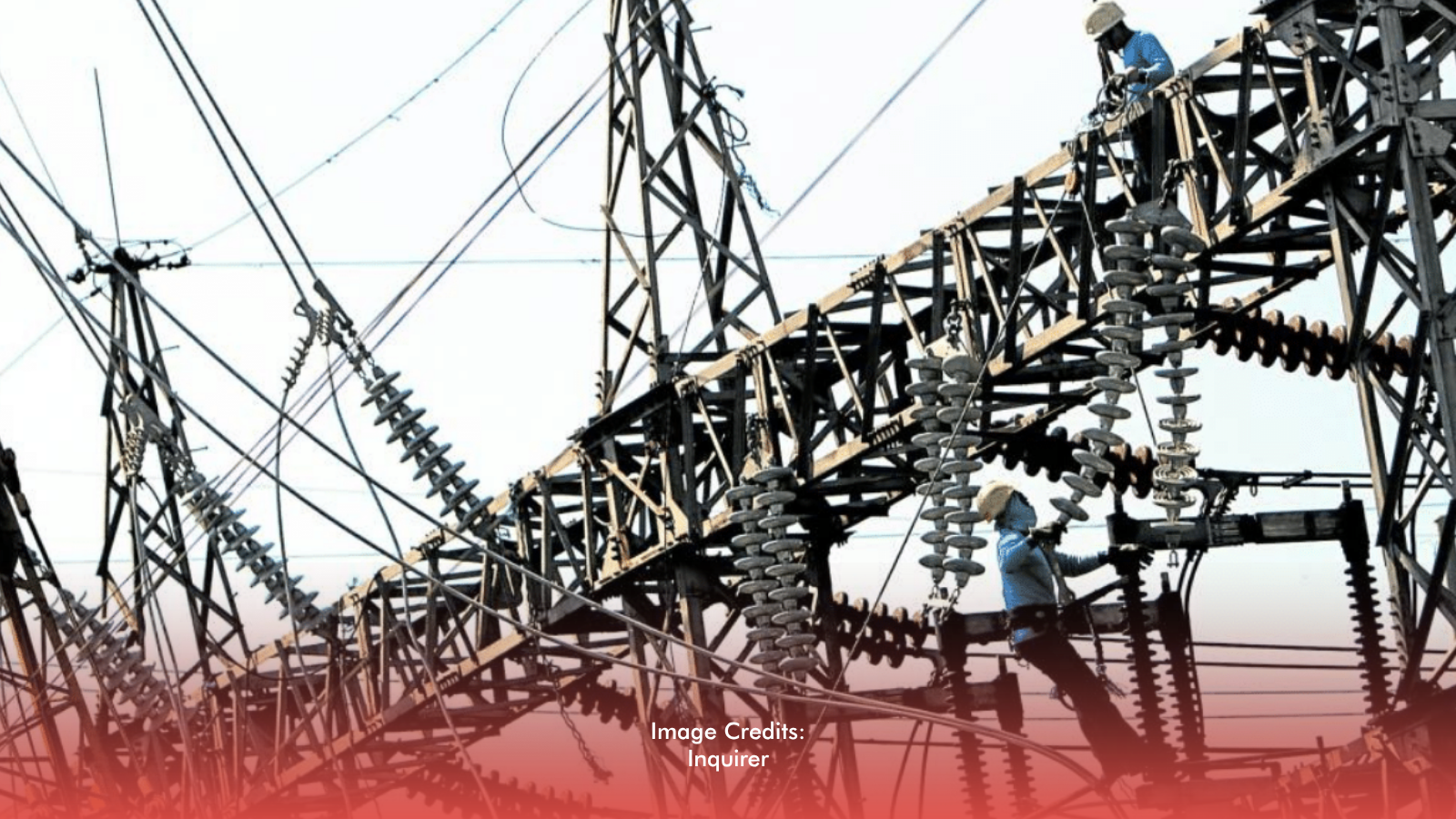
Renewables have limitations. Solar output declines after sunset, batteries add costs and store only limited amounts of energy, and wind projects can take years to complete. All require transmission infrastructure, an area where progress has been slow.
However, solar and wind do not require continuous fuel shipments, reducing exposure to global fuel prices and currency swings. Geothermal power offers another option because it can generate electricity around the clock, including in areas such as Negros.
A Different Energy Plan for Every Island
The Philippines needs an approach that reflects the differences between its major grids, mid-sized islands and remote communities.
Big grids: Luzon, Visayas and Mindanao
By 2027, NGCP should secure the backup power arrangements ordered by the DOE, with the ERC enforcing penalties for delays. Battery storage should be prioritized in Panay, Cebu, Negros and Leyte, while price caps remain in place where necessary to protect consumers.
The planned gas auction should allow solar-plus-storage, hydro and geothermal projects to compete alongside gas plants, with selection based on cost and reliability. Existing gas facilities in Batangas can continue operating while the energy mix evolves.
By 2030, delayed transmission projects should be completed, supported by stronger accountability measures. Power contracts should also be reviewed to prevent households from bearing excessive exposure to fuel price spikes.
Mid-sized islands: Mindoro, Palawan and Catanduanes
Undersea power cables could connect some islands to larger grids, improving supply and reducing reliance on expensive local generation. Greece's island interconnection projects offer a potential reference, while the DOE has already outlined plans for connections involving Batangas, Mindoro and Palawan.
These projects need clear timelines and funding commitments. Until connections are operational, solar paired with battery storage can gradually replace diesel generation where technically and economically feasible.
Small and remote islands
The government’s power company operates roughly 280 small diesel plants across about 125 islands. Diesel-based generation can cost around P18 per kWh, with part of the burden shared through charges collected from consumers on the main grids.
Community-scale solar and battery systems could lower operating costs, with diesel generators retained for backup. The National Electrification Administration and electric cooperatives could manage these systems, while local governments help speed up permits. Savings from reduced diesel consumption could help repay project financing.
Rooftop solar across the country
Existing rules have made small rooftop solar systems easier to install. Congress could further expand access by passing the proposed Sariling Kuryente Act.
Schools, malls, businesses and households that generate their own daytime electricity can reduce demand on the grid and free up supply for other consumers.
Why a National Energy Plan Matters
The current system imposes different costs on different communities. Metro Manila households remain exposed to fuel price increases, while consumers in the Visayas and Mindanao face higher wholesale prices and more frequent interruptions. Households nationwide also help shoulder the cost of supplying remote communities that rely on diesel.
A coordinated plan could improve reliability outside the capital while bringing down electricity costs across the country. That means investing in dependable generation, modern transmission lines, storage, renewable energy and accountability for delayed projects.
What to Watch
- Whether NGCP secures backup power contracts for the Visayas and faces penalties for delays.
- Whether the planned gas auction allows renewable energy and storage projects to compete.
- Whether the offshore wind auction proceeds on December 1.
- Which islands are prioritized under the DOE's planned solar-and-battery auction for off-grid communities.
- How a possible strong El Niño affects hydropower generation and electricity supply in early 2027.