A massive new development is taking shape along Manila Bay. Could it help transform Pasay into Metro Manila's next major growth center?
Metro Manila's Center of Gravity
When people talk about business districts in Metro Manila, the same names usually come up.
Makati. Ortigas. BGC.
These areas became magnets for offices, residences, shopping centers, and investment. They evolved into places where people wanted to work, live, and spend their weekends.
But while these established districts continue to grow, another area is quietly positioning itself for the future.
And it happens to sit beside one of the country's busiest destinations.
The 360-Hectare Question
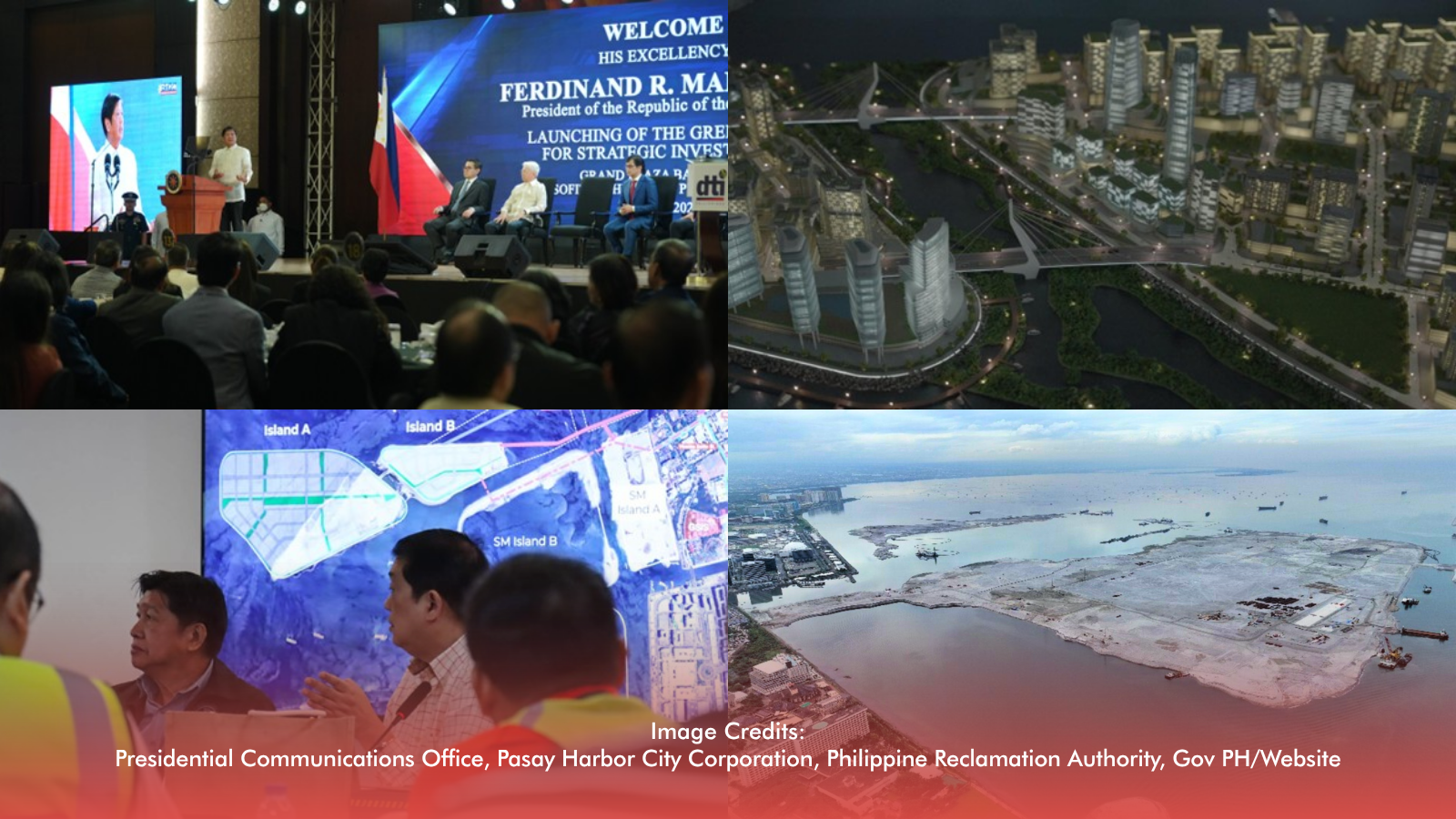
SM Prime Holdings is developing Pasay 360, a 360-hectare coastal district directly connected to the Mall of Asia complex.
Targeted for turnover by 2028, the project is envisioned as a mixed-use smart city that could eventually include offices, residences, hotels, retail spaces, schools, hospitals, and entertainment facilities.
According to FirstMetroSec, the development is designed to become more than just another township. The long-term goal is to create an integrated smart city where people can live, work, and spend their leisure time in one location.
The Numbers Behind the Buzz
FirstMetroSec described Pasay 360 as SM Prime's most exciting long-term growth driver.
The brokerage noted that the company acquired the land at an estimated cost of around P100,000 per square meter, significantly below land values often associated with established business districts.
While the project has required substantial investment, analysts believe its value may become more apparent once development and monetization move into later stages.
For investors, that makes Pasay 360 more than just another reclamation project. It is increasingly being viewed as a long-term bet on where future economic activity could concentrate.
What this could mean for future homebuyers and investors
The significance of projects like Pasay 360 extends beyond real estate.
Major urban developments often create ripple effects across multiple sectors. In a 360-hectare project like Pasay 360, new office spaces can attract employers and generate jobs. Residential communities can bring new residents into the area. Commercial establishments can support entrepreneurs and small businesses. Infrastructure improvements can strengthen connectivity and accessibility as the district moves toward its 2028 turnover target.
For homebuyers, investors, and businesses alike, the larger question is whether an entire district evolves alongside it.
Is this the next chapter for Pasay?
Makati did not become a financial center overnight.
Neither did Ortigas nor Bonifacio Global City.
Each evolved over decades through sustained investment, infrastructure development, and economic activity.
Whether Pasay follows a similar path remains to be seen.
The city still faces the same realities that affect major developments everywhere: changing market conditions, shifting demand, and the challenges that come with projects of this scale.
Yet the momentum building around the area is difficult to ignore.
As 2028 approaches and new developments continue to take shape, more investors, businesses, and future residents may find themselves paying closer attention to what is happening along Manila Bay.
Because if Pasay's next chapter unfolds as many expect, all roads may soon lead to Pasay.