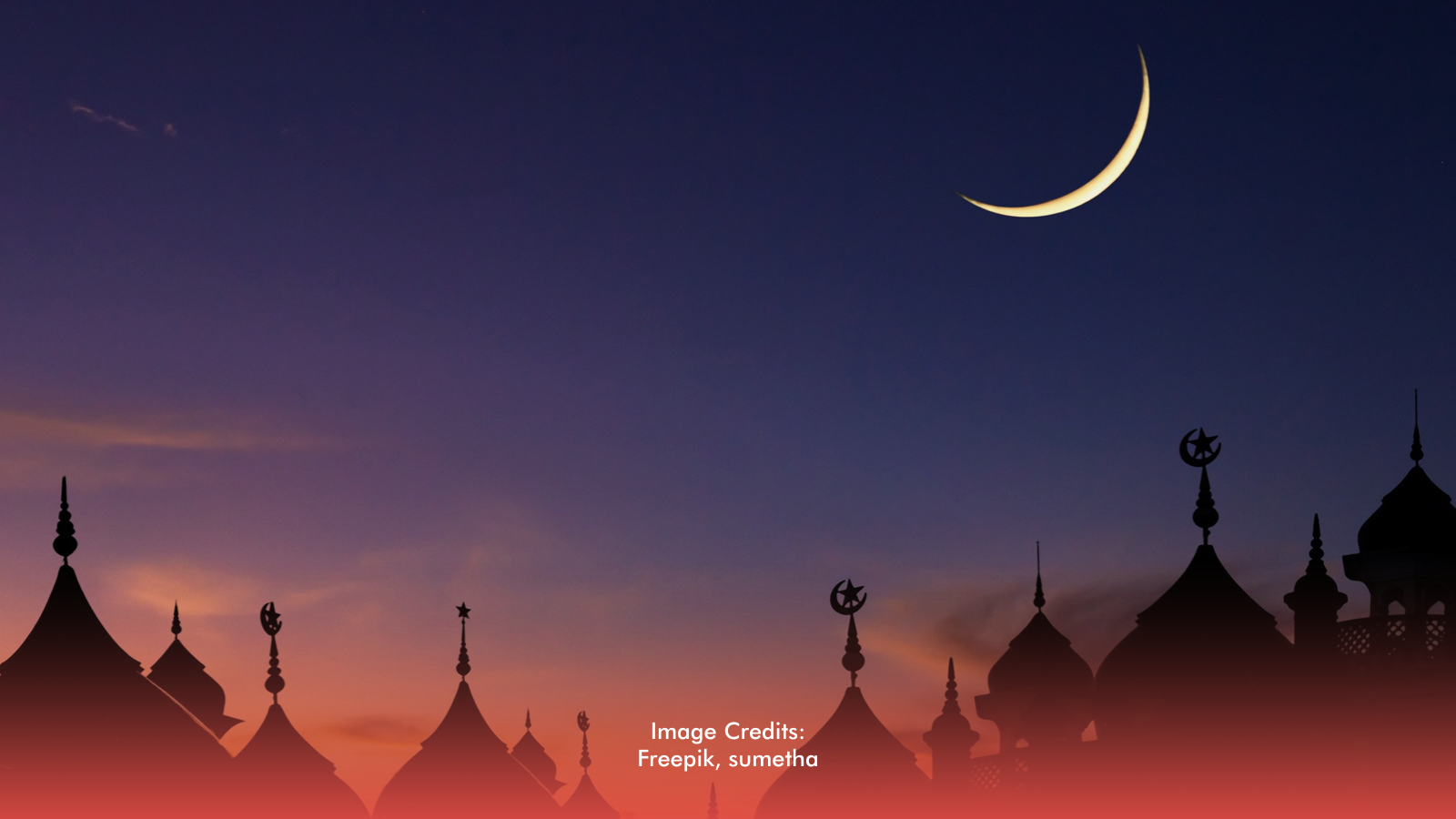
When the crescent moon appears, Muslims around the world begin Ramadan, the holiest month in Islam. Many people know it as a time when Muslims don’t eat during the day. But Ramadan is about much more than just skipping meals.
No Food, No Water—From Sunrise to Sunset
During Ramadan, Muslims fast every day from dawn to sunset. That means no food and no drinks—not even water—while the sun is up. Before sunrise, families wake up for a light meal called suhoor. At sunset, they break their fast with a meal called iftar, often starting with dates and water.
Fasting is one of the main foundations of Islam. It teaches self-control, patience, and discipline. It also helps people understand what it feels like to be hungry, encouraging compassion for those in need. People who are sick, elderly, pregnant, traveling, or physically unable to fast are not required to do so.
A Time for Prayer and Giving
Ramadan is also a time when Muslims focus more on prayer and reading the Quran. Many go to the mosque at night for special prayers. It’s seen as a month to reset spiritually, to reflect, improve oneself, and grow closer to God.
Charity is especially important during this time. Families donate money, give food to neighbors, and organize free meals for those who cannot afford them.
The month ends with Eid al-Fitr, a big celebration filled with prayers, family gatherings, and festive meals.
Different Countries, Different Traditions
Ramadan is observed worldwide, but traditions can vary. In Egypt, colorful lanterns decorate homes and streets. In Indonesia, some communities hold parades and communal feasts. In the United States, Muslim families often gather at mosques for shared meals.