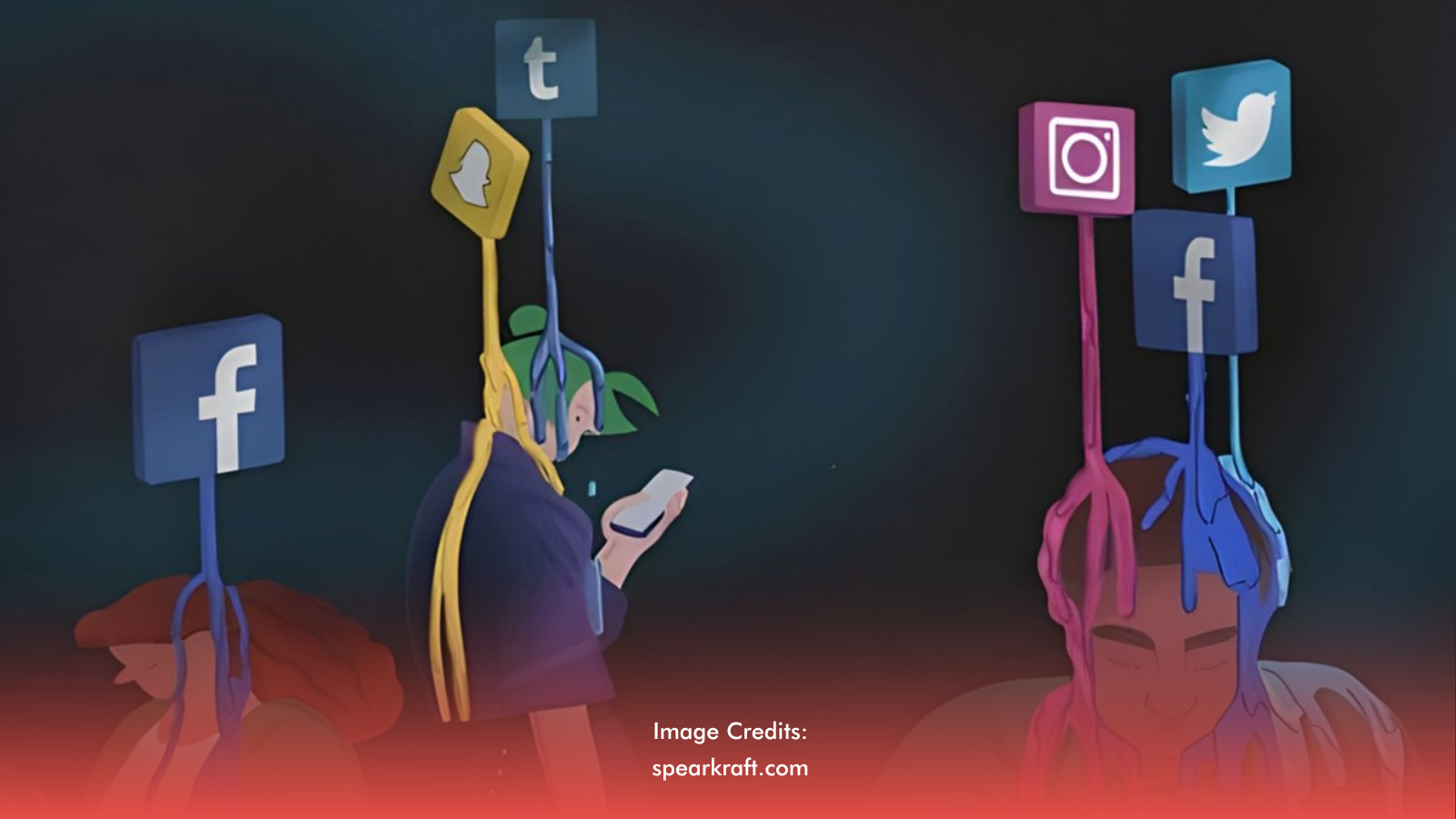

When family conflicts become public, the adults involved are often treated as the main characters. But when said conflicts resurface years later, their children can find themselves pulled into stories they didn’t ask for. And at an age where social media sensationalizes the “ungkatan ng past” within minutes, where does the conversation about a family dispute end, and where does a child’s privacy begin?
Patrick Garcia’s Tell-All
Patrick Garcia’s recent interview about his past relationship with Jennylyn Mercado brought their family history back into the spotlight.
Here, Patrick disputed the idea that he abandoned Jennylyn during her pregnancy, saying he wanted to be involved but was unable to. He also spoke about his estranged relationship with their son, Alex Jazz, and said he decided to share his side after his daughter, Michelle, faced online criticism.
Jennylyn chose not to respond, while Star Magic urged the public not to involve Michelle in issues between adults that happened before she was born.
Part of the Conflict
This isn’t the first time children have found themselves connected to their celebrity parents’ conflicts.
Kris Aquino and James Yap’s disagreements have, at different points, involved their son Bimby. Kris has previously spoken about protecting him from adult issues and making sure he wouldn’t feel pressured to take sides. Meanwhile, Claudine Barretto and Raymart Santiago have also had their disputes publicized, with their children becoming part of the discourse surrounding their separation.
While these circumstances differ, they share a common thread that children can become part of a public story simply because of who their parents are.
The Internet Doesn’t Forget
For celebrity families, the challenge is even harder because the parents’ histories are locked in the interwebs. In this case, Patrick bringing up his 18-year-old past now has since turned into reaction memes and thinkpieces, scrutinizing him while showing support for Jennylyn and Jazz.
The past may be public, but the children don’t have to be part of it. After all, these types of conflicts belong to the adults who lived them, not the offspring that came after.