
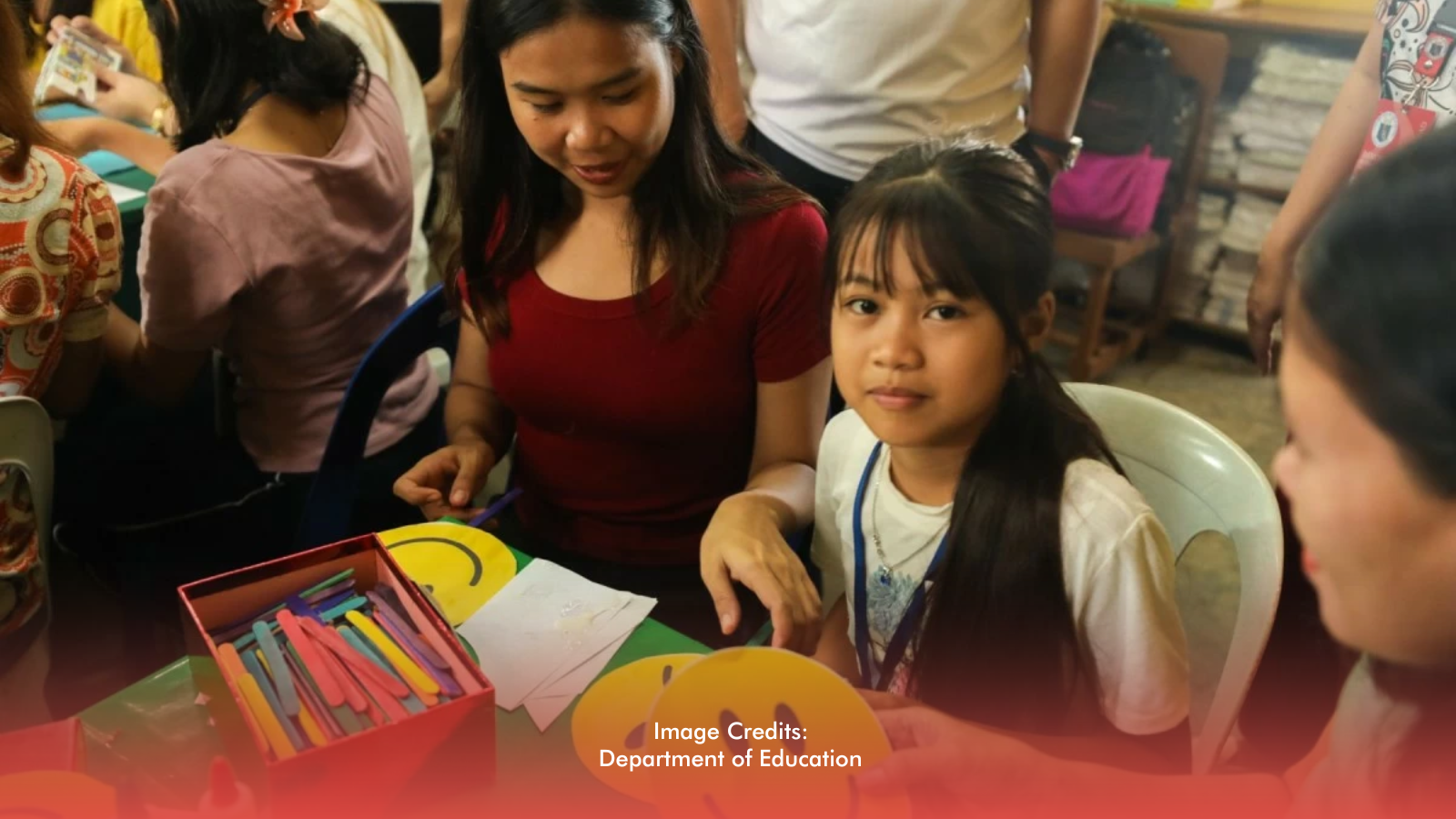
The Department of Education (DepEd) has rolled out a new nationwide initiative aimed at strengthening learner protection by formally involving parents and guardians in school-based support systems. Through the Kaagapay Program, the agency is positioning families as active partners in safeguarding students’ well-being, alongside teachers and school administrators.
The program is anchored on DepEd Memorandum 002, series of 2026, dated Jan. 9, which outlines the implementing guidelines for Kaagapay. Education officials said the initiative is designed to help translate school policies into practical actions that can be applied at home, particularly in addressing issues related to behavior, values formation, and learner welfare.
RELATED: [Angara: Fully Funded ARAL Program Will Help Millions Of Students]
Structured Parent Engagement and Advocacy
DepEd Secretary Sonny Angara emphasized the importance of shared responsibility between schools and families in protecting children.
“As a fellow parent, I also know how heavy the responsibility of caring for and guiding a child is. So when the family and school work together in shaping behavior and understanding what the child is going through, learners are better protected and the job of teachers eases more,” Angara said in a statement.
Under the program, parents and guardians are expected to take on the role of co-educators who reinforce values formation, positive discipline, and learner well-being at home, in support of classroom instruction and existing school-based guidance programs.
Kaagapay will be implemented through a series of parent engagement sessions and advocacy campaigns. These activities are designed to help families better understand learner behavior, socio-emotional needs, and early signs of bullying or distress.
The sessions will use “participatory and experiential methods such as sharing of best practices, guided reflection, and action planning, enabling parents to better understand learner behavior, socio-emotional needs, and the early signs of bullying or distress,” according to DepEd.
These discussions are structured “to help parents situate their role within DepEd’s curriculum and learner development priorities before moving into learning discussions on socio-emotional and values support, positive discipline, bullying awareness, and home–school–community partnership.”
Parents are also encouraged “to reflect on their own family contexts and develop simple home action plans that align with school objectives, with the goal of sustaining positive practices beyond the sessions.”
Nationwide Rollout and Flexible Delivery
To ensure wider participation, schools may conduct sessions through “face-to-face, modular, and asynchronous delivery modes, taking into account parents’ schedules, backgrounds, and circumstances.” The program is open to all parents and caregivers of learners in public elementary and secondary schools.
Kaagapay is backed by a nationwide allocation of P100 million and is being implemented alongside broader government investments in learner well-being, including the P2.9-billion School-Based Mental Health Program under the Basic Education Mental Health and Well-Being Promotion Act.
For Filipino families, the program highlights how learner protection extends beyond the classroom, reinforcing the idea that safer schools and healthier students begin with stronger home–school partnerships that benefit communities nationwide.
RELATED: [How the Free College Law Is Transforming Filipino Lives]