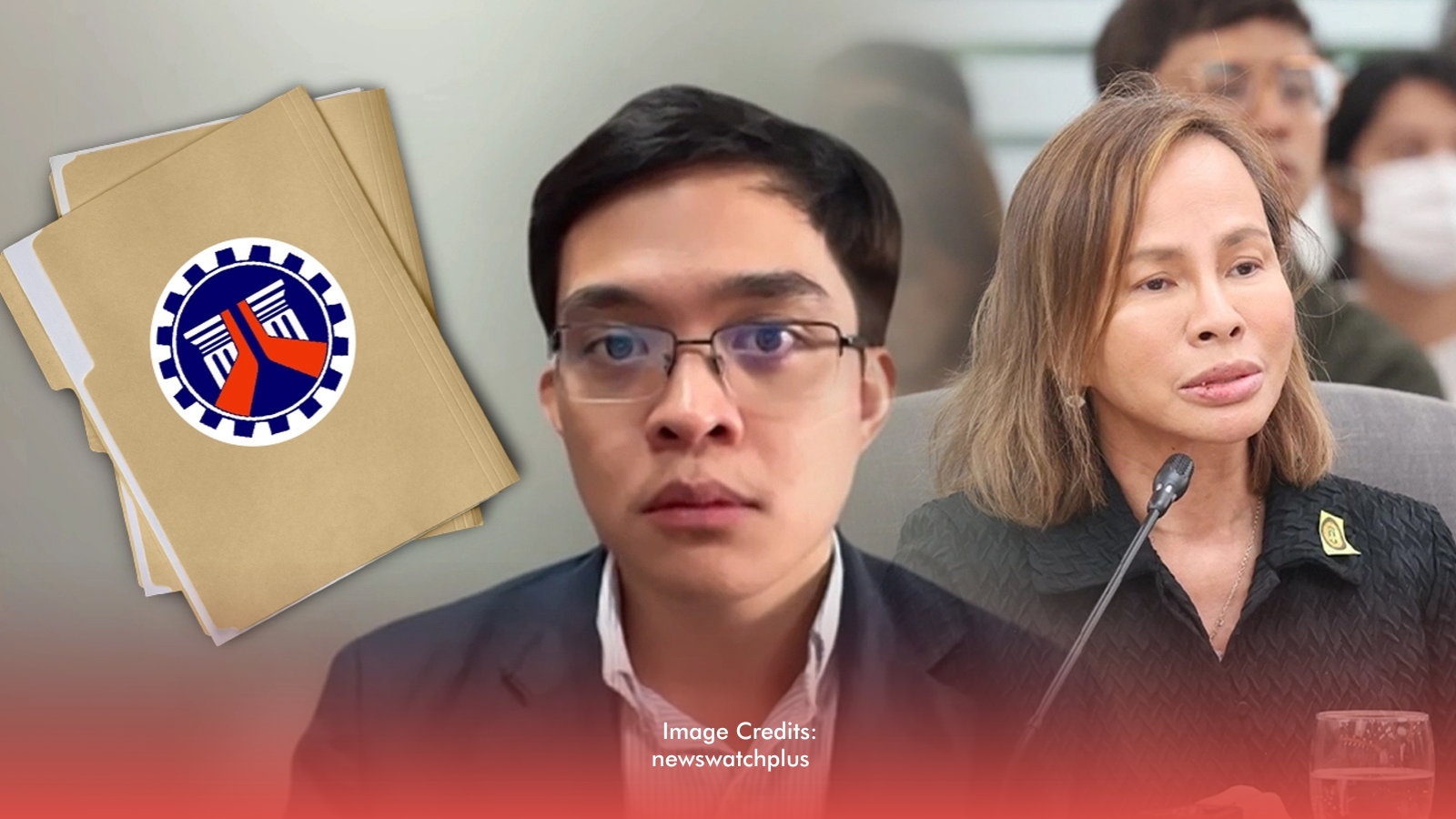
The flood control anomalies being investigated by the Senate Blue Ribbon Committee and the Office of the Ombudsman took a dramatic turn in late 2025 with the emergence of the so-called “Cabral files.” What began as a probe into misreported flood control projects has expanded into a dispute over internal Department of Public Works and Highways (DPWH) documents, their authenticity, and how they were obtained.
How It All Started
The flood control investigation initially focused on alleged “ghost projects,” questionable budget allocations, and discrepancies in DPWH documentation. Amid this probe, attention turned to Maria Catalina “Cathy” Cabral, a former DPWH Undersecretary for Planning and Partnerships who had oversight of budget preparation and project lists.
In December 2025, Cabral was found dead after falling into a ravine along Kennon Road in Benguet — an event that prompted questions and intensified interest in a set of DPWH records she had worked on. Those records later became known in public reporting as the Cabral files.
Shortly after Cabral’s death, Batangas First District Representative Leandro Leviste publicly disclosed that he was in possession of a collection of documents he described as the Cabral files. These documents, he says, were given to him by Cabral in September 2025 and allegedly contain lists of project allocations, proponents, and budget data for flood control and other DPWH infrastructure works.
Leviste has since shared portions of these files with both the Senate Blue Ribbon Committee and the Office of the Ombudsman, asserting that they provide insights into alleged budget insertions and connections between infrastructure projects and lawmakers or officials.
The Latest From Leviste
In public statements over the past month, Leviste has maintained that:
- The Cabral files are just the “tip of the iceberg” in terms of what they reveal about alleged anomalies in DPWH projects.
- He did not forcibly take the files, as some critics claim, but instead obtained them from Cabral’s office with her apparent authorization.
- He believes powerful interests would prefer these files remain undisclosed; a claim that has sparked intense public debate and scrutiny.
Despite these assertions, the exact chain of custody - how the documents were obtained, when, and under what authority - remains contested. DPWH Secretary Vince Dizon has denied authenticating the files or authorizing their release, and questions persist over whether they were copied from Cabral’s office without proper protocol.
The Cabral Files
At present, the publicly reported facts about the Cabral files are straightforward but limited:
- The documents are said to originate from the office of former DPWH Undersecretary Maria Catalina Cabral and reportedly contain budget allocations and lists of project proponents covering the 2023–2026 period.
- Leviste claims to have received these documents in September 2025 and has shared parts with the Senate and Ombudsman.
- The Office of the Ombudsman and DPWH have acknowledged receipt of a partial set of the files, but emphasize that these are not yet authenticated as official evidence.
- Assistant Ombudsman Mico Clavano has stressed that copies held by third parties (such as those carried by Leviste) may carry less evidentiary weight than originals on Cabral’s computer or other official storage.
- A forensic examination of Cabral’s computer has been scheduled by the Ombudsman, the Commission on Audit (COA), the DPWH, and the PNP Anti-Cybercrime Group to verify the authenticity and integrity of the files.
At the same time, legal and ethical questions have been raised about how the files were obtained. Cabral’s lawyer says she cannot confirm whether the files in Leviste’s possession match those from Cabral’s office, and there is no definitive public record showing that Cabral personally authorized him to take them.