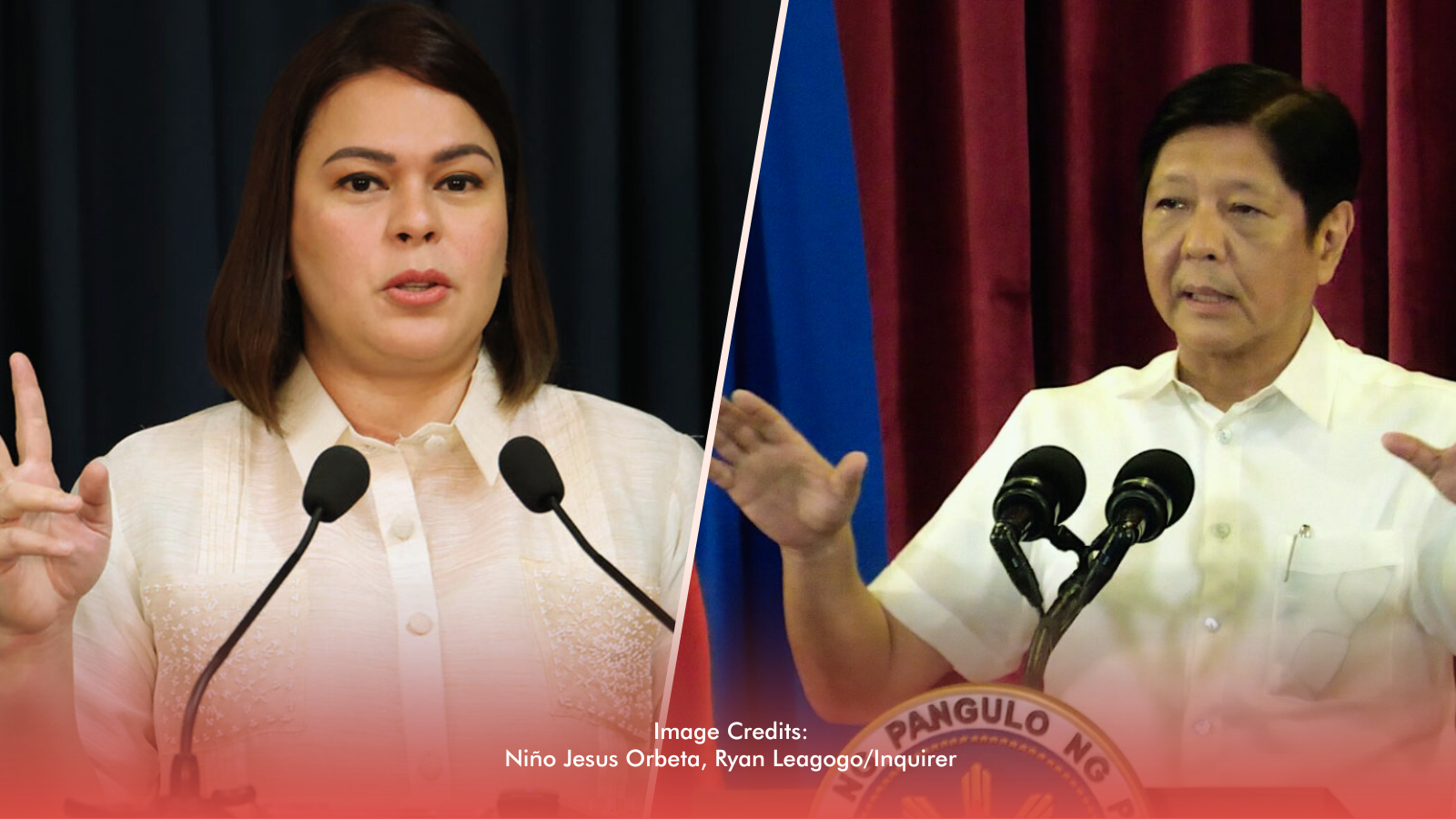
The Filipino political stage opened the year under intensified scrutiny as impeachment issues involving both President Ferdinand Marcos Jr. and Vice President Sara Duterte gained public attention.
Although the underlying cases differ in trajectory and legal status, the twin developments highlight ongoing debates over accountability, governance, and constitutional process in the current administration.
The Marcos Impeachment
A significant political event this month was the filing and early movement of impeachment actions against President Marcos. At least two verified complaints were submitted to the House of Representatives, prompting formal referral to the House Committee on Justice for review.
One of the complaints was filed by lawyer Andre de Jesus and endorsed by Representative Jett Nisay of the Pusong Pinoy party-list, while another was submitted by a group of progressive lawmakers aligned with the Makabayan bloc.
The referral to the Justice Committee marks the initiation of impeachment proceedings, allowing the committee to assess whether the allegations, ranging from graft and corruption to alleged constitutional violations, meet the legal requirements to advance.
Observers note that multiple impeachment bids have emerged within a short period, with at least three separate complaints filed last week, reflecting mounting political pressures even as the House remains dominated by allies of the President.
The Duterte Impeachment
In contrast, Vice President Sara Duterte’s impeachment journey has already seen significant legal and constitutional decisions. In 2025, the House of Representatives adopted and transmitted a verified impeachment complaint against her, but the Supreme Court later ruled the move unconstitutional on procedural grounds related to the one-year ban on repeat impeachment filings under the 1987 Constitution.
That decision means no new impeachment proceedings against Duterte could begin until February 6, 2026, due to the constitutional prohibition on filing multiple complaints against the same official within a year.
With that restriction soon to lapse, groups such as the Makabayan bloc have announced intentions to prepare a new impeachment complaint against the Vice President in the coming days.
Duterte herself has dismissed such plans as politically motivated, accusing some lawmakers of using impeachment filings as a kind of political “fundraising” or bargaining tool.
Questionable Stability
Impeachment in the Philippines is a constitutional mechanism intended to hold high officers accountable for crimes such as betrayal of public trust, graft, and other high crimes. It is both a legal and political process, involving the lower house’s initiation and the Senate’s role as an impeachment court for trials.
The simultaneous focus on the two highest executive officials is unusual and has prompted discussions about stability, policy continuity, and investor confidence. Critics argue that persistent impeachment efforts risk diverting attention from national priorities, while proponents counter that robust accountability mechanisms are essential in a democratic system.
Public opinion remains divided on these issues, with past surveys showing significant portions of the electorate both supporting and opposing the impeachment of high officials when controversies arise.