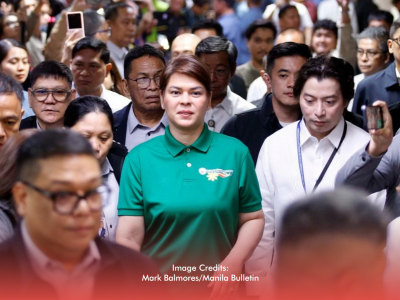
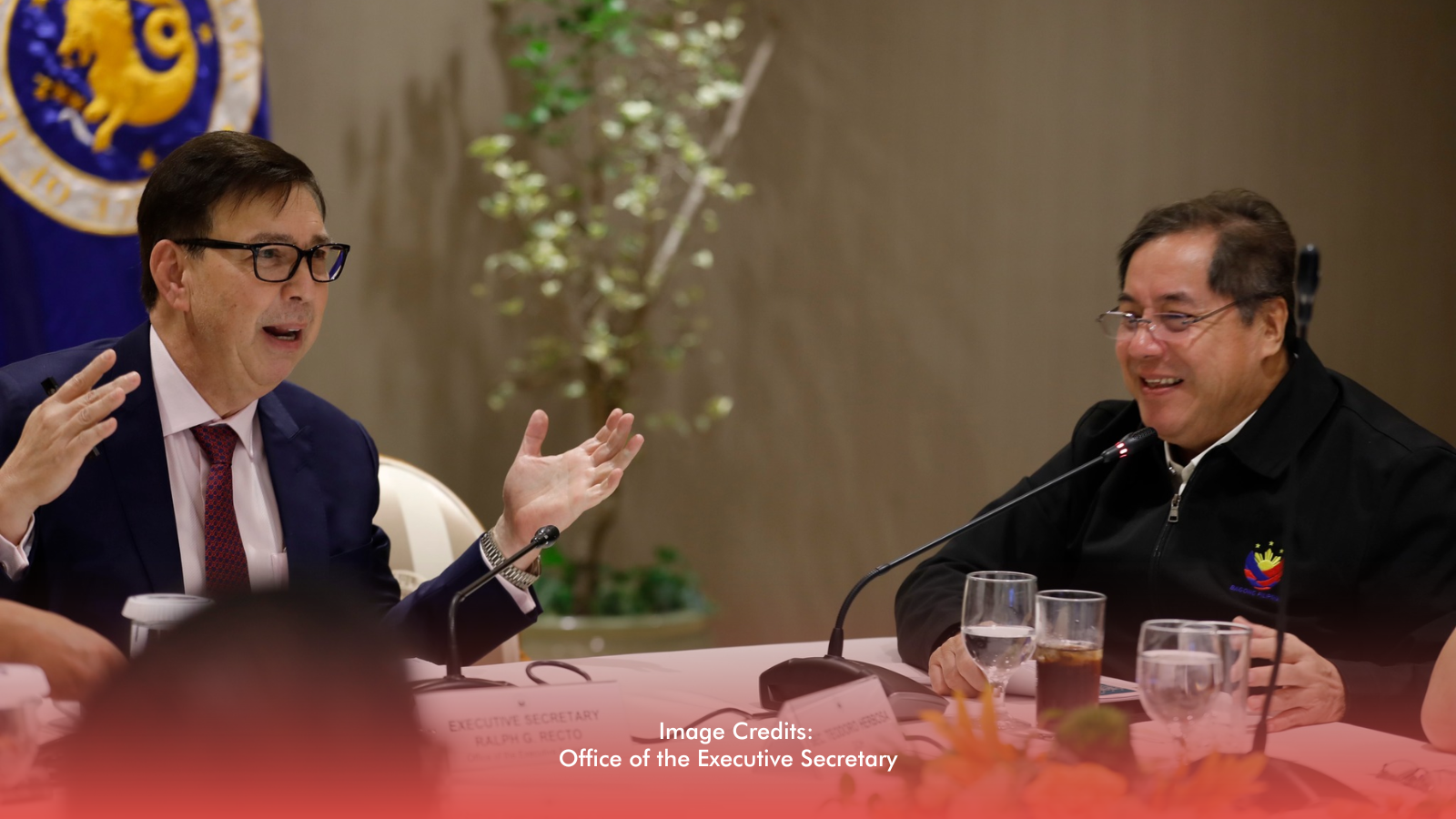
Middle-class contributors and health benefits took center stage as Executive Secretary Ralph Recto pushed for changes aimed at making government healthcare support more equitable. During a high-level meeting with health officials, Recto emphasized that Filipinos who consistently pay taxes and insurance premiums should see clearer returns through stronger benefit packages.
The discussion focused on improving access, affordability, and efficiency within the public health system, particularly as the government works to fully implement Zero Balance Billing. Recto underscored that while reforms have helped vulnerable sectors, gaps remain for middle-income earners who continue to shoulder medical costs despite regular contributions.
RELATED: [PhilHealth Boosts Coverage For Premature Babies With Up To PHP135,000 Aid]
Push to Strengthen Health Coverage
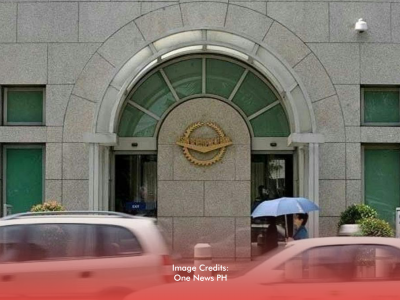
Recto met with Health Secretary Teodoro Herbosa and Philippine Health Insurance Corp. (PhilHealth) President and CEO Edwin Mercado to review system-wide measures that would support the administration’s Zero Balance Billing (ZBB) policy. According to a statement from the Office of the Executive Secretary, Recto called on the Department of Health (DOH) and PhilHealth to widen existing benefit packages to better reflect contributor payments.
“Especially for middle class who are consistently paying their taxes and contributions,” Recto said, as he urged agencies to reassess coverage and support levels.
He added that contributors who regularly remit premiums should receive benefits proportionate to what they put into the system. The meeting also tackled lingering gaps that continue to expose families to out-of-pocket expenses, even with PhilHealth coverage in place.
As of December 2025, more than 1 million patients have benefited from Zero Balance Billing, a policy ordered by President Ferdinand Marcos Jr. during his State of the Nation Address last July. The program is currently being test-run by the DOH in provincial hospitals operated by local government units, with the goal of eliminating hospital bills for eligible patients.
Funding, Facilities, and Long-Term Reforms
The health sector was allocated P448.125 billion under the 2026 General Appropriations Act (GAA), with P1 billion earmarked specifically for local government hospitals to cover in-patient services in basic accommodation. The same budget includes funding for disease surveillance, rapid response mechanisms, and sustainable health financing initiatives.
PhilHealth received P130 billion, which includes the P60 billion ordered restored in line with a Supreme Court decision. Meanwhile, the DOH reported it is in the final stage of completing its DOH-LGU Healthcare Provider Network model, designed to strengthen referral systems and support local governments delivering higher-level care under the Universal Health Care law.
Recto stressed that closer coordination between national agencies and LGUs is critical to ensuring reforms translate into real relief on the ground.
For ordinary Filipinos, particularly working families in the middle-income bracket, expanded benefits could mean fewer medical bills, less reliance on savings or loans during emergencies, and greater confidence that regular contributions truly provide protection when healthcare is needed most.
RELATED: [Villar, Nais Pababain Ang PhilHealth Contribution Ng Mga Pilipino]