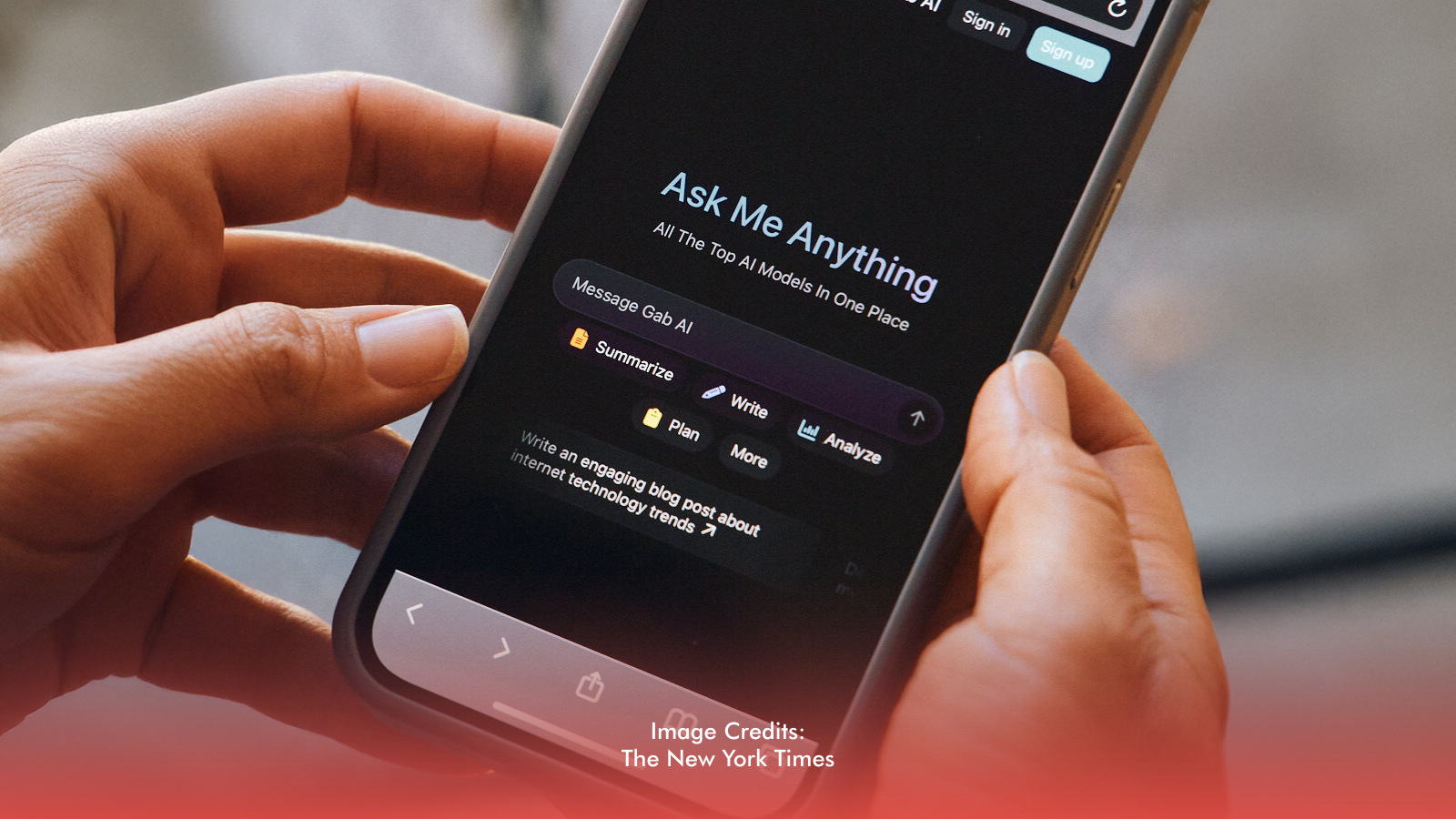
Artificial intelligence chatbots may be smart enough to pass medical licensing exams, but that doesn’t mean they can safely guide people on real health concerns. A new study published in Nature Medicine found that AI tools are no better than traditional internet searches when it comes to identifying health problems and recommending what users should do next.
Study co-author Rebecca Payne of Oxford University warned that relying on large language models for medical advice can be risky. Chatbots may give incorrect diagnoses or fail to recognize when a situation requires urgent medical attention. “AI just isn’t ready to take on the role of the physician,” she said, urging patients to remain cautious when consulting digital tools about their symptoms.
How Researchers Tested Chatbots vs. Humans
To test how people actually use AI for health questions, researchers recruited nearly 1,300 participants in the United Kingdom. They were given 10 realistic health scenarios, such as a headache after drinking, exhaustion in a new mother, and symptoms associated with gallstones.
Participants were randomly assigned to use one of three AI chatbots—OpenAI’s GPT-4o, Meta’s Llama 3, or Command R+—while a control group used standard internet search engines. The results were sobering. Users correctly identified the health condition only about one-third of the time, and just 45 percent chose the correct course of action, such as whether to seek medical care. These results were no better than those who relied on traditional online searches.
Communication Gaps and Growing Dependence on AI
Researchers believe the gap between AI’s strong performance on medical exams and its weak real-world usefulness stems from communication issues. Real users often provide incomplete or unclear information, and some misinterpret or ignore chatbot advice. Unlike controlled test settings, everyday conversations with AI can be messy and misleading.
Despite these limitations, reliance on AI for health information is growing. The study noted that around one in six US adults ask chatbots about health concerns at least once a month—a number expected to increase as AI becomes more accessible.
Bioethicist David Shaw, who was not involved in the research, stressed the importance of using trusted sources such as national health services and qualified professionals. For now, experts agree: AI can support learning and awareness, but it should never replace real medical consultation.