
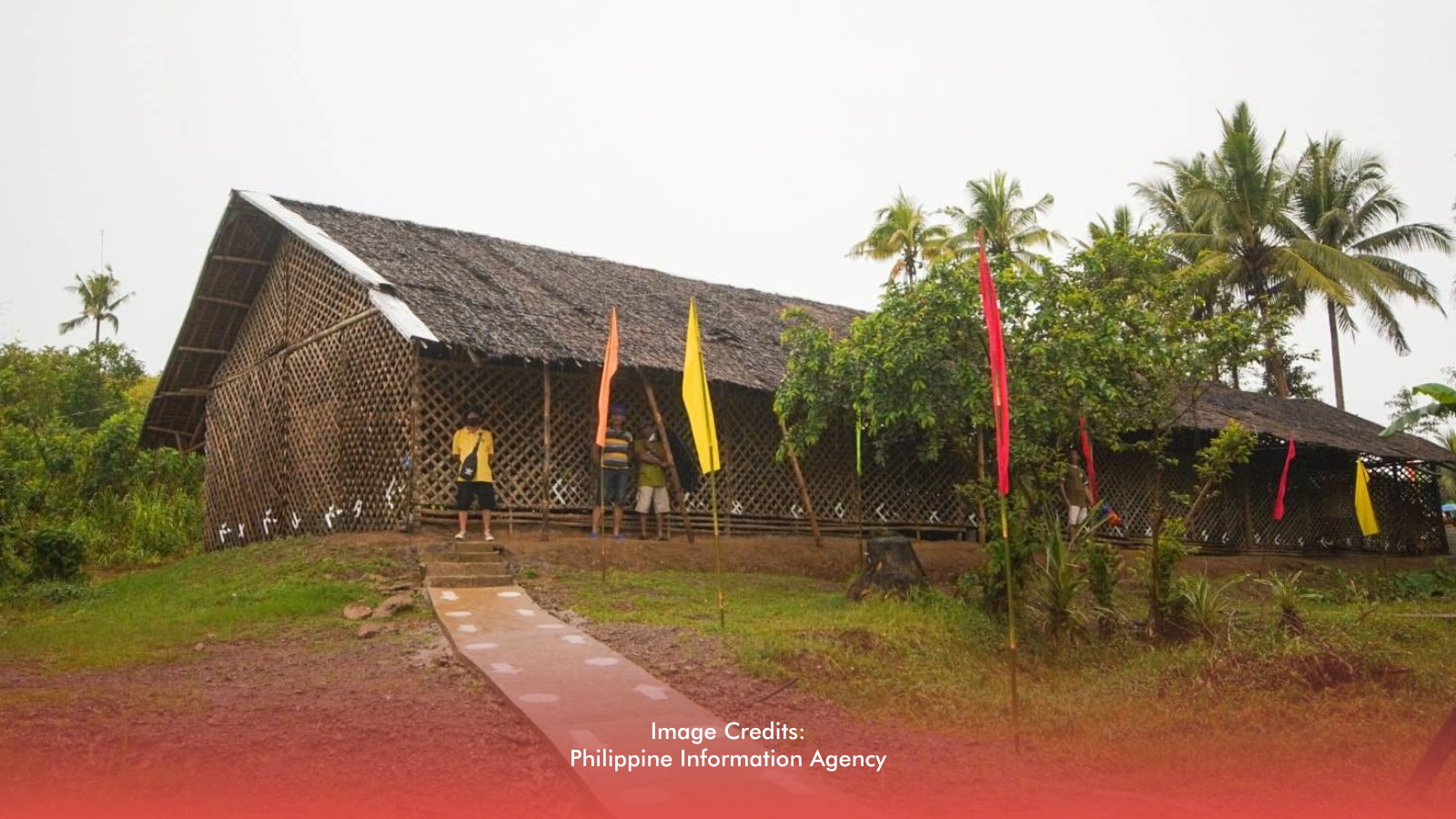
Efforts to narrow the education gap between urban centers and far-flung communities are gaining momentum as a new Senate measure seeks to formally recognize and support the country’s most isolated public schools. The proposed legislation aims to ensure that learners in geographically challenged areas are no longer left behind because of distance, limited facilities, or lack of basic services.
RELATED: [Project AuroraPH: Solar-Powered Internet To Reach Remote Schools In Bulacan]
Strengthening Education Where It Is Hardest to Reach
At the heart of the initiative is Senate Bill No. 1842, or the proposed Last Mile Schools Act, authored by Sen. Francis Pangilinan. The bill seeks to institutionalize government assistance for so-called “last mile schools” and embed them into the public education system, with the Department of Education (DepEd) mandated to provide sustained support, including infrastructure development.
Under the proposal, a school may be considered a last mile school if it has fewer than four classrooms, uses makeshift or non-standard rooms, lacks or has irregular electricity, and has not received funds for new construction projects in the last four years. It must also be located at least one hour away from the center of a city or municipality, or be situated in difficult terrain that makes access challenging for learners and teachers.
“It must also be at least one hour from the center of a city or municipality, or be in difficult terrain, to be accessible to learners,” the measure read.
The bill outlines a comprehensive approach to address the unique conditions faced by schools in remote areas. It directs the development of tailored strategies for learning delivery, teacher deployment, infrastructure standards, learner support services, and performance monitoring to better reflect on-the-ground realities.
“Education should be within reach. By doing so, we are investing not only in infrastructure but in the future of our children,” Pangilinan said in a statement on Monday. “It is our responsibility, our obligation as lawmakers, to ensure that there are learning opportunities and established education systems for every Filipino learner, regardless of where they live,” he added.
Beyond classroom concerns, the measure underscores the importance of inter-agency coordination. The bill mandates DepEd to work with the Department of Public Works and Highways to construct and improve access roads leading to last mile schools nationwide, helping make travel safer and faster for students and teachers alike.
Inter-Agency Support and Long-Term Impact
Additional coordination is also envisioned with the Department of Energy to provide power in areas where schools lack electricity, and with the Department of Information and Communications Technology to deliver necessary technological infrastructure. These components are intended to create an environment where modern teaching and learning can take place, even in the most remote settings.
If enacted, the Last Mile Schools Act would require DepEd to include interventions for neglected areas as part of its regular agenda and to establish appropriate staffing standards suited for isolated communities. This institutional backing is expected to make support for last mile schools more consistent and less dependent on short-term programs.
For families in rural and mountainous regions, the measure represents a concrete step toward leveling the playing field in education, helping ensure that a child’s chances of learning and succeeding are not determined by how far their home is from the nearest town center.
RELATED: [New DSWD Program Targets Climate Resilience In Remote Areas]