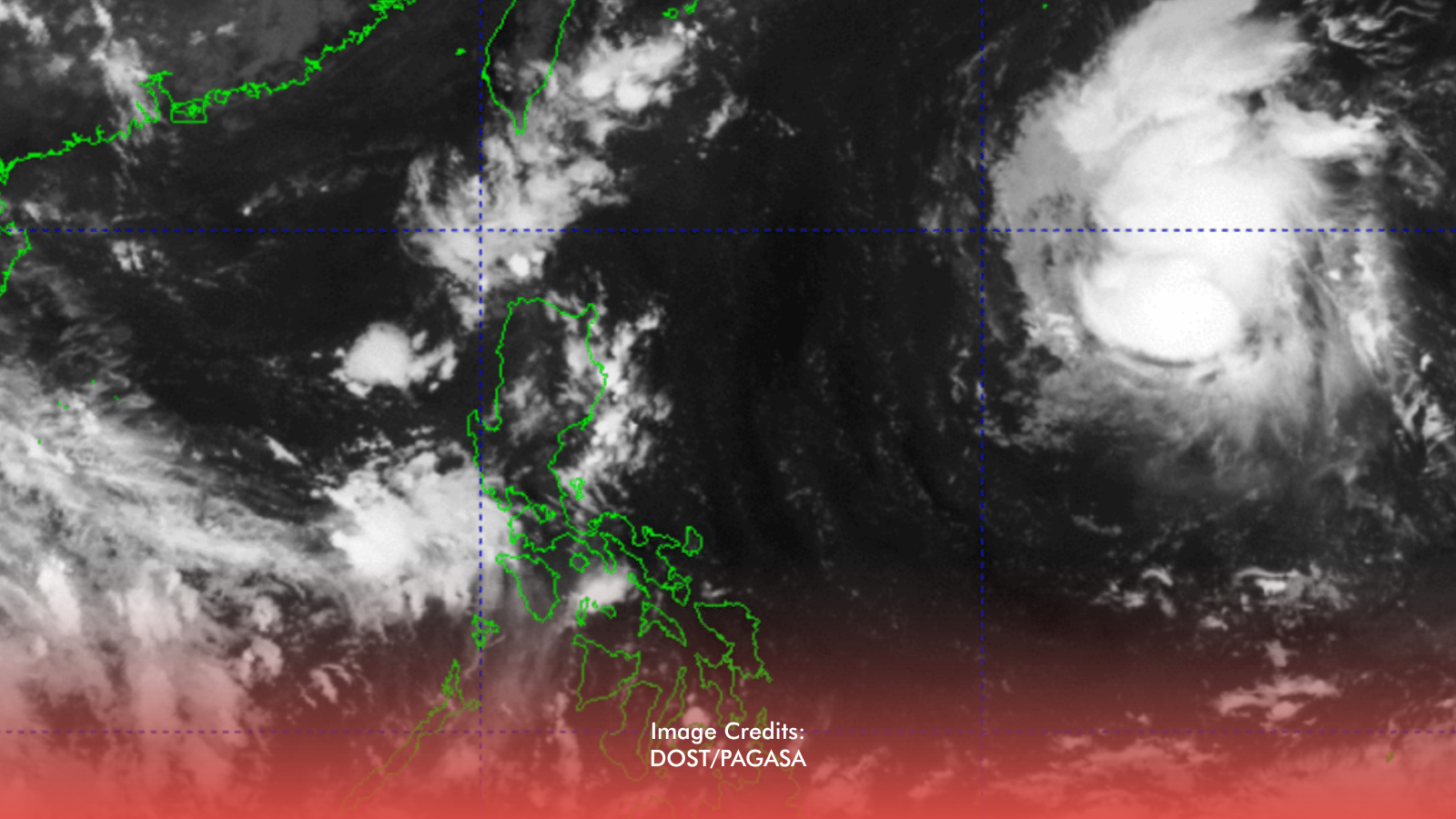
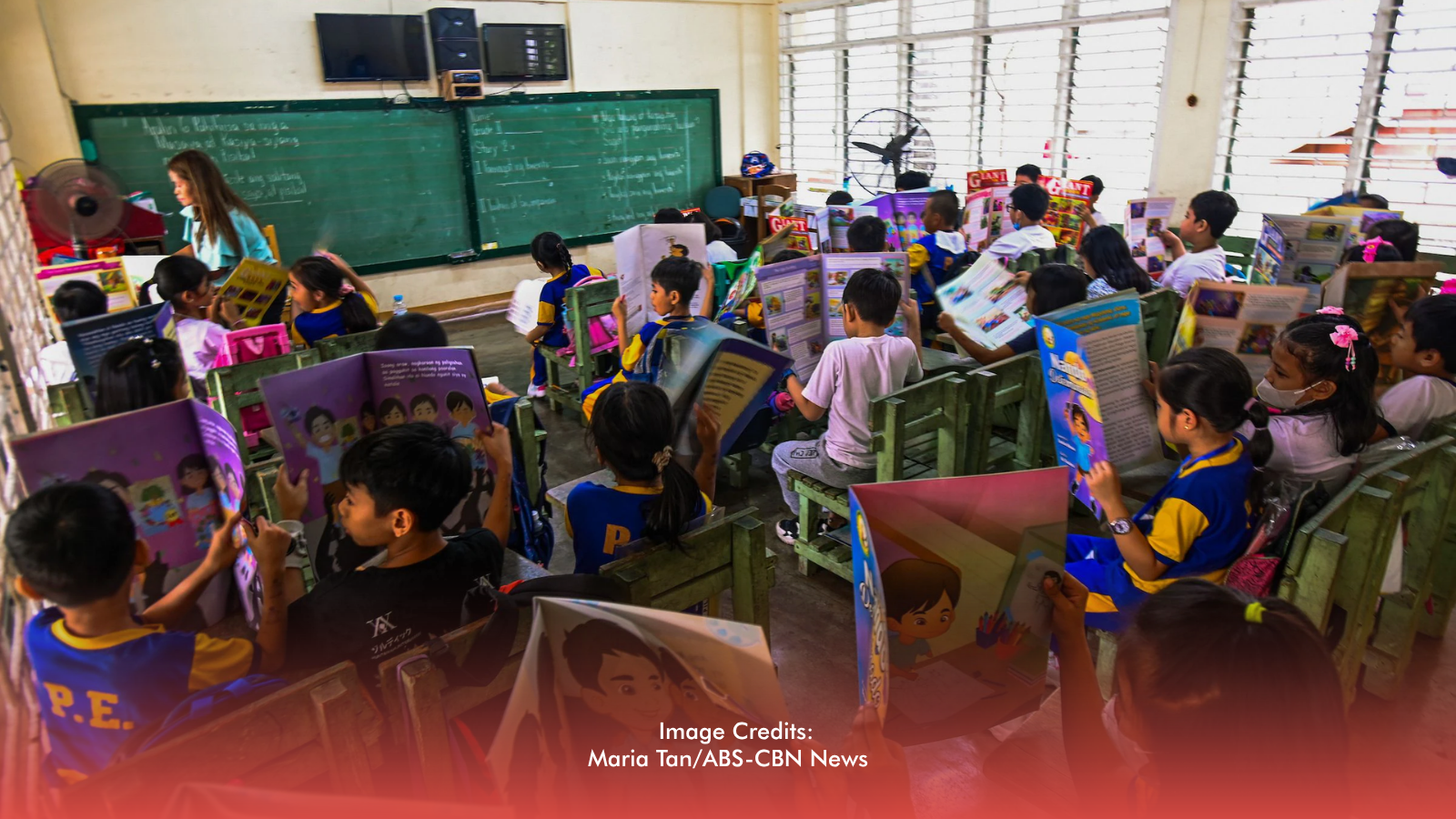
The Philippine government has given the green light to a major change in the school calendar, moving from the traditional four-grading-period system to a three-term structure beginning with the 2026–2027 academic year. The decision, approved during the eighth meeting of the Economy and Development Council chaired by President Ferdinand Marcos Jr. on March 19, 2026, aims to reduce disruptions caused by climate-related events and local holidays while providing more consistent learning periods for students.
RELATED: [DepEd to Review ‘Mass Promotion’ and Improve Student Support]
Ensuring Instructional Continuity Amid Disruptions
The three-term calendar is part of the broader effort to stabilize instructional time and improve education outcomes. The Department of Economy, Planning, and Development (DEPDev) explained that the new system would allow for longer, uninterrupted learning blocks, helping students maintain steady progress throughout the year. Teachers would also benefit from dedicated periods for professional development and targeted interventions to assist students who are struggling.
“Our commitment to developing a globally competitive workforce begins with providing evidence-based solutions to bridge educational gaps,” Socioeconomic Planning Secretary Arsenio Balisacan said, emphasizing that the initiative aligns with the administration’s priority programs.
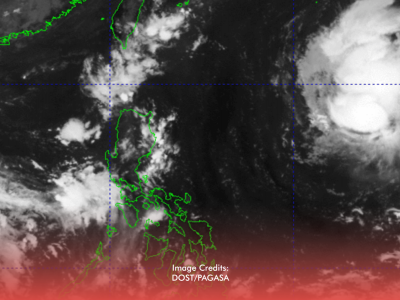
The shift was recommended by the Second Congressional Commission on Education (EdCom 2), which called for a calendar that could better withstand frequent interruptions from severe weather, national observances, and local holidays. “By shifting from a four-grading-period system to a three-grading-period system, students will benefit from longer, uninterrupted instructional blocks, stabilizing their learning pace and recovery each term,” DEPDev explained. The adjustment also provides room for teachers to implement “catch-up” programs, ensuring students who fall behind have structured opportunities to regain lost learning.
House Basic Education Committee Chairman Rep. Roman Romulo expressed his support for the calendar change but urged careful consideration on whether catch-up classes should be conducted during breaks. “If the proposed three-term school calendar ensures more instructional time in classrooms by reducing the number of class day disruptions brought about by weather disturbances, and national and local holidays, we are in full support. However, it is hoped that DepEd reconsiders holding catch-up classes during the break,” he said.
Boosting Education Resources and Infrastructure
Education Secretary Sonny Angara earlier highlighted that the calendar change would improve curriculum delivery by allowing for better allocation of academic, co-curricular, and extracurricular activities. “We are pushing this so there will be longer and more flexible instructional periods, improved lesson pacing and lower administrative burden for teachers. In this way, we are improving the quality of education,” Angara noted.
President Marcos also ordered monitoring of the DepEd’s budget rollout, ensuring timely hiring of teachers and construction of classrooms. Executive Secretary Ralph Recto stressed the need to prioritize procurement of classrooms, teachers, and books, saying, “This historic high spending should not be squandered to slow procurement. What is in the budget must leapfrog to classrooms.” The 2026 national budget allocates about P1.345 trillion for education, equivalent to 4.36 percent of the GDP, including 65,184 new teaching and nonteaching positions that can be filled immediately.
The transition to a three-term academic year is expected to directly benefit Filipino students by providing more consistent and uninterrupted learning, reducing the impact of climate-related interruptions, and improving the overall quality of education. Over time, the shift could strengthen the country’s workforce competitiveness while ensuring that public education remains more resilient and inclusive.
RELATED: [Ilagan Continues Education Support With Iskolar Ng Bayan Program]