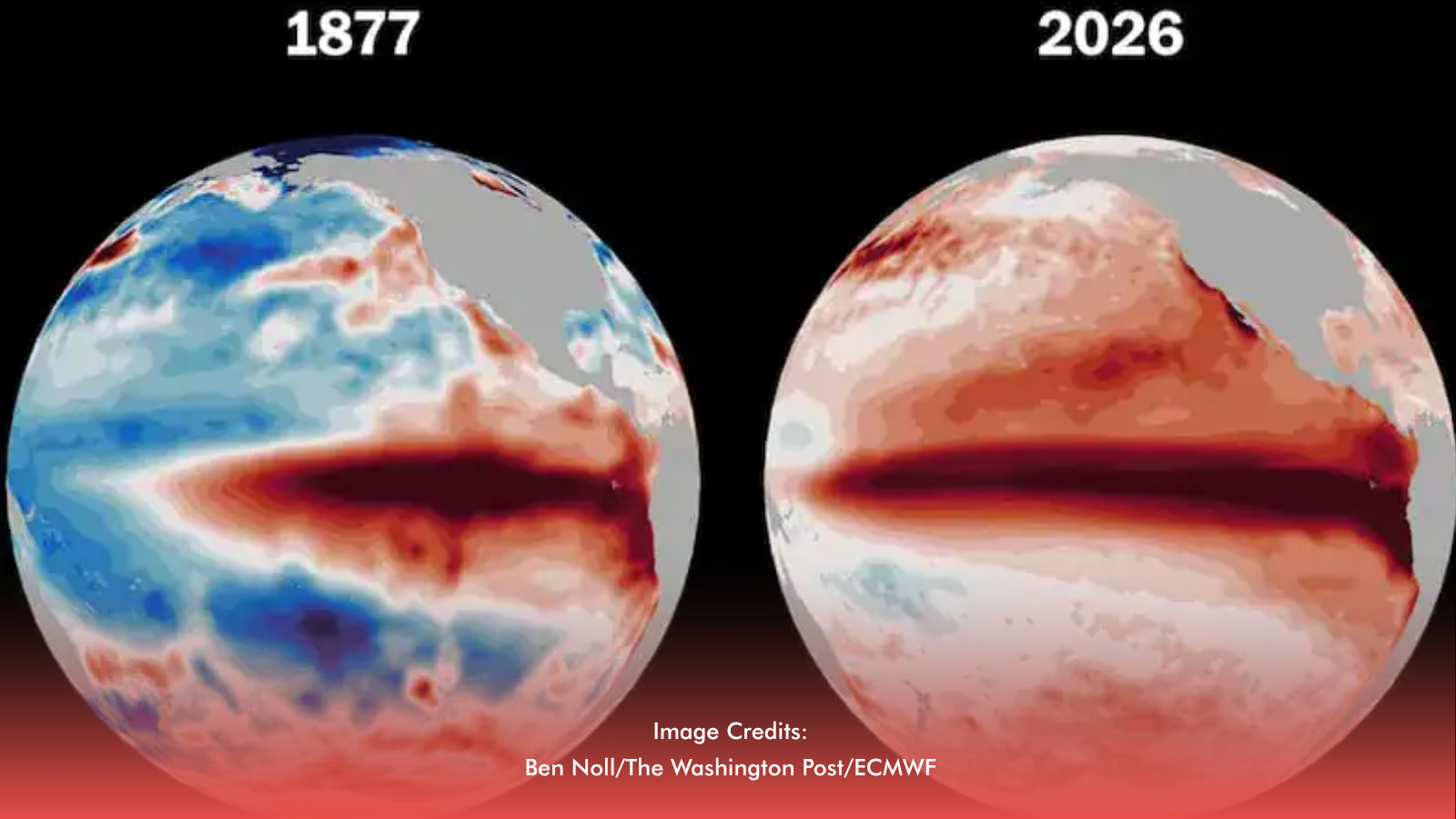
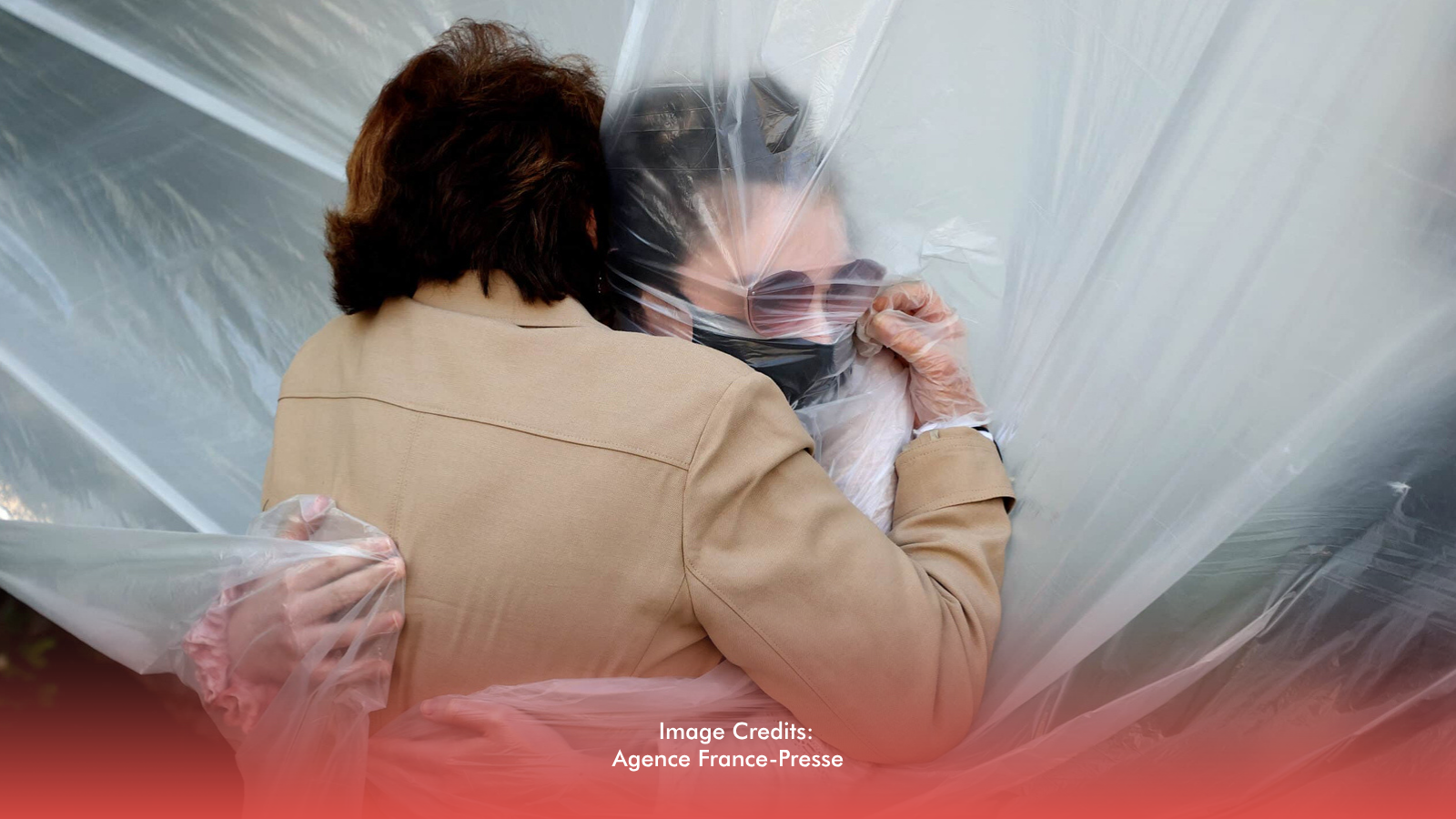
Climate change is not only reshaping the environment, it is also making infectious diseases more difficult to control, according to an infectious disease expert who warned that rising temperatures, extreme weather, and food insecurity are creating conditions that allow diseases to spread more easily.
Speaking at the Asia-Pacific International Roche Infectious Diseases Symposium (APAC-IRIDS) in Bangkok, Subramanian Swaminathan, president of the Clinical Infectious Diseases Society of India (CIDS), said countries need stronger, climate-resilient health systems to prepare for these growing threats.
Climate Change Creates New Health Risks
Swaminathan said climate-related disasters are forcing millions of people from their homes, placing pressure on healthcare systems and increasing the risk of disease outbreaks. Over the past decade, around 250 million people have been displaced internally by weather-related disasters, according to the United Nations.
He also pointed to worsening food insecurity, saying poor nutrition weakens the body's immune system and makes people more vulnerable to infections. The UN World Food Programme has warned that hunger and malnutrition could rise by 20 percent by 2050 if climate change continues unchecked.
Higher Temperatures Fuel Drug Resistance
Beyond increasing disease transmission, climate change is also altering the behavior of harmful bacteria.
Swaminathan said warmer temperatures can increase cases of Salmonella infections and contribute to antimicrobial resistance (AMR), making common infections more difficult to treat. Citing previous research, he noted that higher temperatures are linked to increased drug resistance in bacteria such as Escherichia coli, Staphylococcus aureus, and Klebsiella pneumoniae.
He added that prolonged droughts also change soil conditions, encouraging microbes to develop survival mechanisms that may lead to more drug-resistant infections.
Stronger Public Health Measures Needed
Swaminathan urged governments to strengthen climate-resilient healthcare systems by promoting the responsible use of antibiotics, expanding public awareness, and improving disease surveillance and diagnostic testing.
He also emphasized that investments in sanitation, clean water, and proper sewage systems remain among the most effective ways to prevent infectious diseases, alongside vaccination programs.
Finally, he called for greater international cooperation through the "One Health" approach, which recognizes the close link between human, animal, and environmental health.
"No country alone can solve this," Swaminathan said, stressing that addressing the health impacts of climate change will require coordinated global action.