
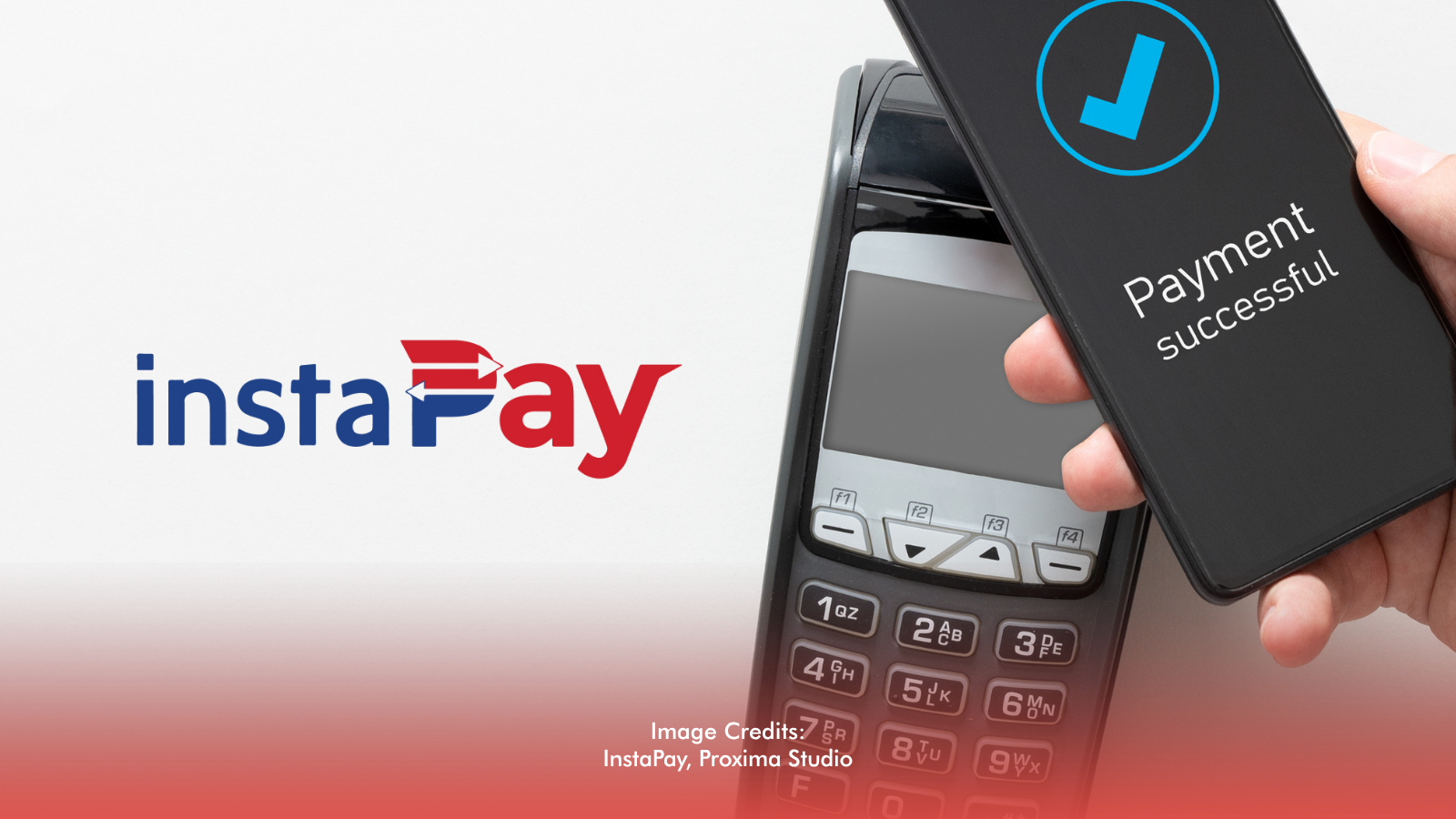
Banks in the Philippines are shifting their focus from competing through lower transfer fees to building stronger and longer-lasting relationships with customers as free digital fund transfers become increasingly common across the industry.
The transition comes as the Bangko Sentral ng Pilipinas (BSP) continues to promote a low-cost and interoperable digital payments ecosystem. The central bank has been expanding digital payment infrastructure through platforms such as InstaPay, PESONet, QR Ph, Bills Pay PH, and other interoperable payment systems to encourage wider adoption of electronic transactions.
RELATED: [List: Banks, E-Wallets That Have Cut or Waived Transfer Fees]
Banks Shift Focus Beyond Transfer Fees
According to Rizal Commercial Banking Corporation (RCBC) Executive Vice President and Chief Innovation and Inclusion Officer Lito Villanueva, eliminating transfer fees is only one part of a much broader strategy focused on improving customer value over time.
"I think it's really more about upselling, cross-selling, and having to really optimize what we call the customer lifecycle value."
He also emphasized that:
"Payments is practically a utility... Banking is all about relationships."
As digital payment services become more standardized, banks are increasingly looking toward products such as loans, investments, wealth management, and insurance to strengthen customer engagement and offset reduced income from transaction fees.
Villanueva explained that the industry's direction resulted from years of coordination between regulators and financial institutions, combined with continued investments in payment infrastructure.
"At the end of the day, it's really more about the volume, the transaction velocity."
RCBC introduced free InstaPay transfers on July 4 and expanded its zero-fee offering to PESONet transfers on July 15 after upgrading its backend systems to accommodate higher transaction volumes.
He added:
"While you're giving that for free, you're also making sure that every transaction is safe and secure. The bottom line here is still consumer protection."
The BSP welcomed the growing number of banks reducing or removing digital transfer charges, noting that lower fees can encourage more consumers and businesses to adopt electronic payments.
Since launching the National Retail Payment System in 2017, the BSP has steadily expanded the country's digital payments network. Based on BSP data, 53.4 percent of retail payment transactions were already digital in 2024, exceeding the earlier target of 50 percent. The central bank is now targeting 60 percent digital retail payments by 2028 while continuing efforts to expand financial inclusion.
Competition Evolves as Digital Payments Expand
Despite banks increasingly waiving transfer fees, Villanueva does not believe electronic wallet providers will lose their customer base.
"I don't think that it would impact."
He explained that banks and electronic money issuers operate under different business models.
"We have different business models."
While banks can generate revenue through lending, deposits, and other financial services, many fintech firms continue to rely more heavily on transaction-based income.
Villanueva also stressed that financial institutions still need to balance accessibility with long-term sustainability.
"We're supporting this initiative to make adoption of digital payments more inclusive, but we also have to take into account the sustainability of the business. We're not here for charity."
GCash and Maya have each lowered InstaPay transfer fees from P15 to P10, although neither has adopted a zero-fee model.
He likewise clarified that BSP Circular No. 1238 does not require banks or electronic money issuers to eliminate transfer charges.
"As I've said, the mandate of Circular 1238 is not a zero-based mandate, but a cost-based mandate."
The circular promotes transparent and cost-based pricing for electronic fund transfers while helping expand digital payment acceptance among micro and informal businesses.
The continuing evolution of digital finance will also take center stage during the ASEAN Fintech Summit on July 28 and 29 in Manila, where policymakers, regulators, banks and fintech companies are expected to discuss regional developments in cross-border payments, interoperability, digital identity and emerging technologies. Villanueva, who also chairs FinTech Alliance.PH, said the event is expected to gather more than 100 speakers from nearly 20 countries and over 3,000 participants.
"We will be asking the hardest questions. This will not be your usual forum."
For ordinary Filipinos, the growing availability of free or lower-cost digital fund transfers can make everyday financial transactions more affordable and convenient. As banks continue improving digital services while expanding access to loans, savings, and other financial products, more individuals and small businesses may benefit from a faster, more inclusive, and more accessible financial system.
RELATED: [BSP Pushes Stronger Media Collab to Improve Financial Literacy Filipinos]