
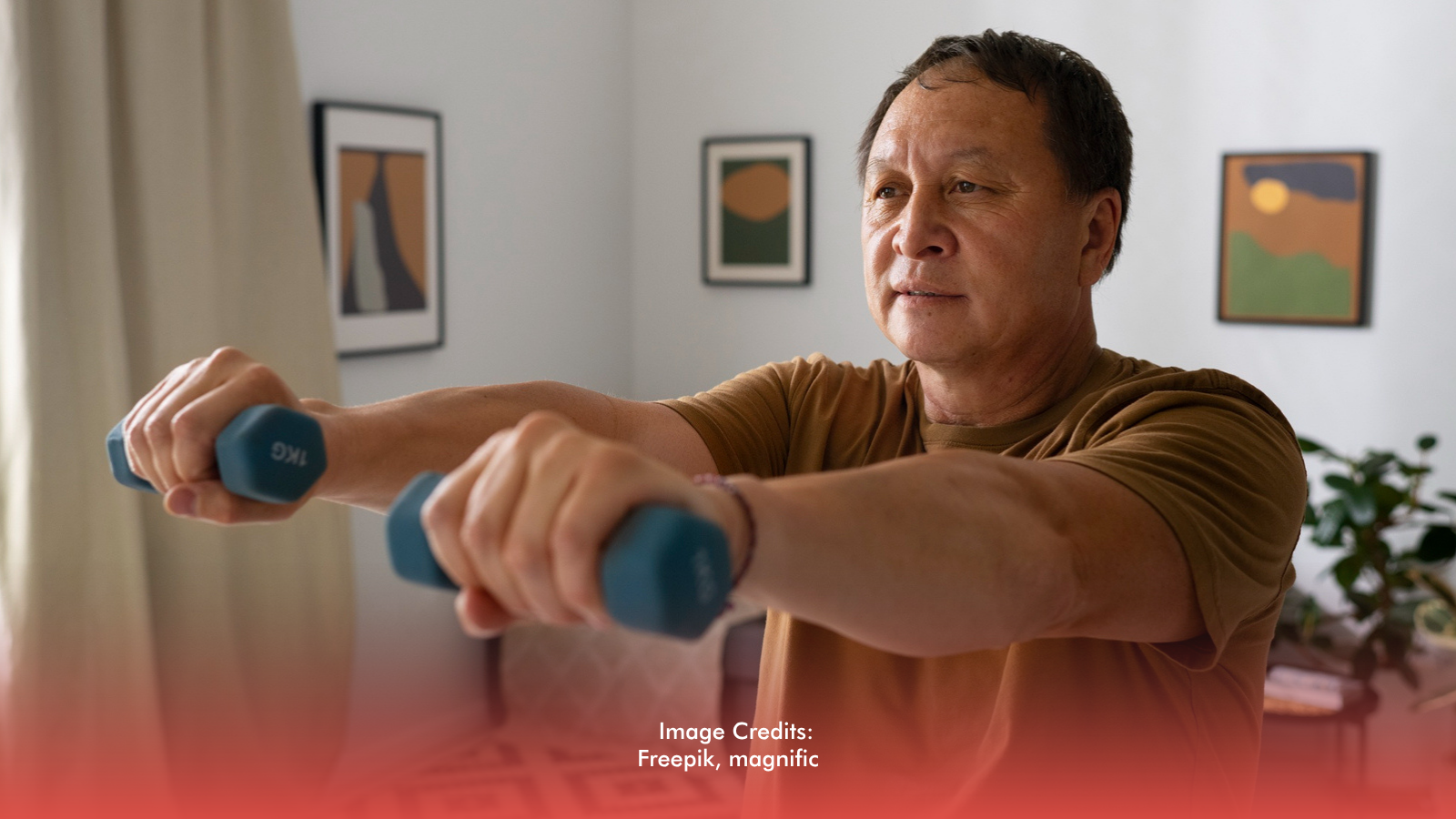
Up to 45 percent of dementia cases could be prevented or delayed by addressing common lifestyle and environmental risk factors, the World Health Organization (WHO) said in updated guidance released Wednesday.
With no cure currently available, the UN health agency said prevention remains the most effective way to reduce the growing global burden of the disease, which affects memory, thinking, and a person's ability to carry out everyday activities.
Healthy Habits Can Lower Dementia Risk
The WHO identified several modifiable risk factors linked to dementia, including smoking, excessive alcohol consumption, physical inactivity, social isolation, and air pollution. Better control of chronic conditions such as hypertension, diabetes, and high cholesterol can also help reduce the risk.
While dementia is more common among older adults, the WHO stressed that it is not an inevitable part of aging.
Dementia Continues to Affect Millions
More than 57 million people worldwide are living with dementia, with nearly 10 million new cases diagnosed each year. Alzheimer's disease accounts for an estimated 60 to 70 percent of all dementia cases.
The condition is the world's seventh leading cause of death and a major cause of disability and dependency among older people.
WHO official Devora Kestel said dementia affects not only those diagnosed but also families and communities, taking a toll on people's dignity, independence and overall well-being.
WHO Calls for Early Action
The updated recommendations encourage governments and healthcare providers to promote early intervention, cognitive stimulation for adults with mild cognitive impairment, and stronger integration of services for noncommunicable diseases, mental health, and brain health.
WHO Director-General Tedros Adhanom Ghebreyesus said countries now have clear, evidence-based measures to help protect cognitive health and reduce dementia risk.
The agency also underscored dementia's economic impact, estimating the disease costs the global economy about $1.3 trillion annually, with nearly half of that amount coming from unpaid care provided by relatives and friends.
The WHO said investing in prevention today can help people live longer, healthier and more independent lives while easing the long-term burden on families and healthcare systems.