For years, climate change was framed as a crisis for the distant future; a warning meant for future generations or an abstract debate reserved for global policy summits. But across the Philippines, that illusion has completely shattered.
From the agricultural heartlands of Mindanao to the bustling streets of Metro Manila, climate shocks are no longer happening "somewhere else" or "somewhere in the future." They are happening right now, in the very routines of daily Filipino life.
What Exactly Is a "Climate Shock"?
A climate shock isn't just a change in weather; it is a sudden, severe environmental disruption that directly destabilizes everyday life, local economies, and basic human security.
Unlike gradual climate shifts, climate shocks arrive with immediate intensity and their cascading effects touch almost every aspect of society:
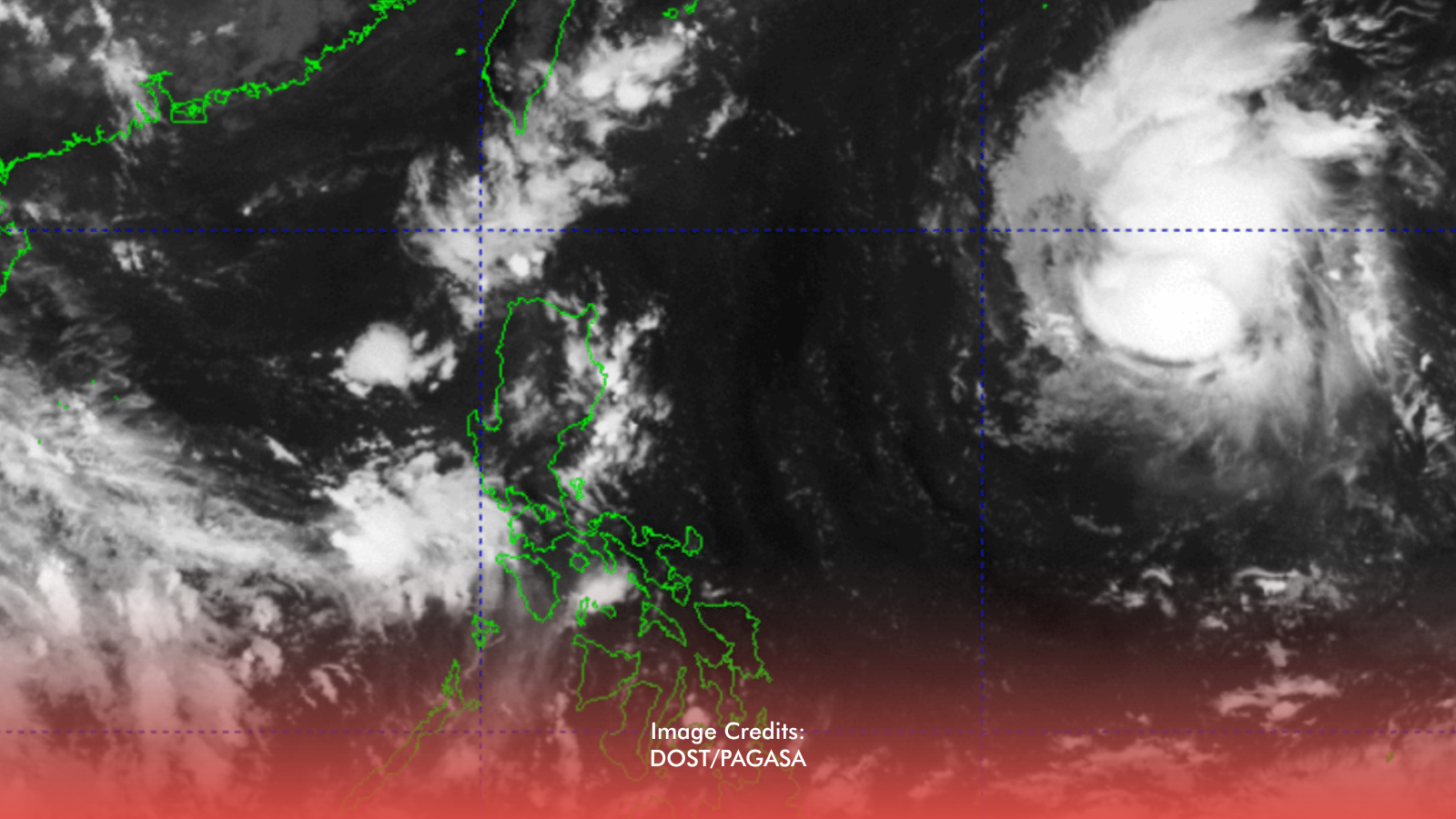
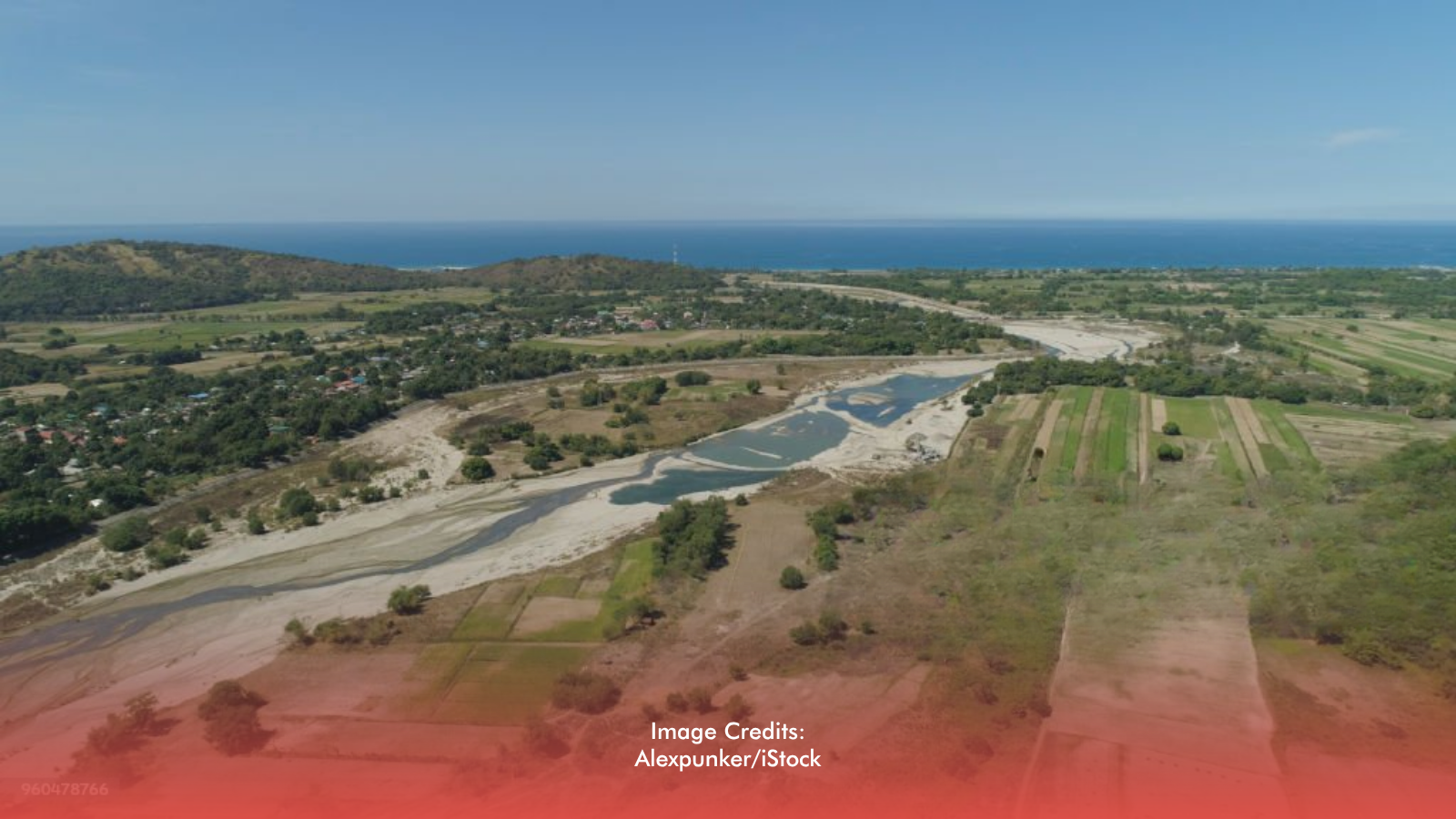
Agriculture: Farmers across the country face scorched fields and severe droughts during an El Niño stretch, only to see those same fields submerged by typhoons and flash floods a few months later.
Water Scarcity Amid Rains: Millions of urban households experience rotational water service interruptions and dry taps, even as torrential rains flood city streets.
Soaring Grocery Bills: Crop damage from heat waves and sudden storms reduces market supplies, driving up food inflation and making everyday staples like rice, onions, and vegetables increasingly unaffordable.
Disrupted Learning: School districts are forced to suspend face-to-face classes, not just for typhoon signals, but because classroom heat indexes soar past dangerous thresholds, or because floodwaters render roads impassable.
The Warning from Kidapawan
The urgency of this crisis is rooted in real-world precedent. In April 2016, thousands of drought-stricken farmers gathered in Kidapawan City to demand emergency rice relief after a prolonged El Niño destroyed their livelihoods. What began as an appeal for food aid escalated into a tragic confrontation.
Kidapawan served as a severe warning: when climate shocks hit vulnerable agricultural communities without adequate support systems, environmental stress quickly becomes a social and economic crisis.
As extreme weather patterns become more frequent and unpredictable, the lessons of Kidapawan remain starkly clear. Food insecurity isn't just a seasonal hardship; it is a trigger for widespread instability if left unaddressed.
Climate Adaptation Is an Economic Issue, Not Just an Environmental One
For too long, climate action in the Philippines has been treated primarily as an environmental cause; centered on planting trees, reducing plastic waste, or hosting awareness campaigns. While those efforts matter, treating climate change purely as an environmental topic overlooks its most dangerous dimension.
Climate adaptation is fundamentally an economic imperative.
Agriculture and fisheries employ millions of Filipinos. When crops fail or coastal ecosystems collapse, entire local economies lose their purchasing power, ripple-effecting into retail, logistics, and small businesses. Dependence on unstable crop yields and international food imports leaves the country vulnerable to price spikes and shortages. Investing in crop diversification, cold storage, and resilient irrigation directly stabilizes inflation.
On top of that, flooded highways, damaged power grids, and destroyed port facilities cost the Philippine economy billions of pesos in lost productivity and repair expenses every year.
Therefore, protecting communities from extreme heat and flooding reduces public health expenditures, prevents displacement, and ensures that children stay in school.
Moving Beyond Emergency Response
The Philippines can no longer afford a reactive approach that treats every drought or typhoon as an unexpected anomaly. Preparing for climate shocks requires building long-term resilience into national budget priorities, infrastructure design, and local governance.
Recognizing climate adaptation as an economic strategy is the first step toward safeguarding Filipino families, securing food supplies, and ensuring the nation’s future stability. Climate shocks are already here, but we need to know how quickly we can adapt.