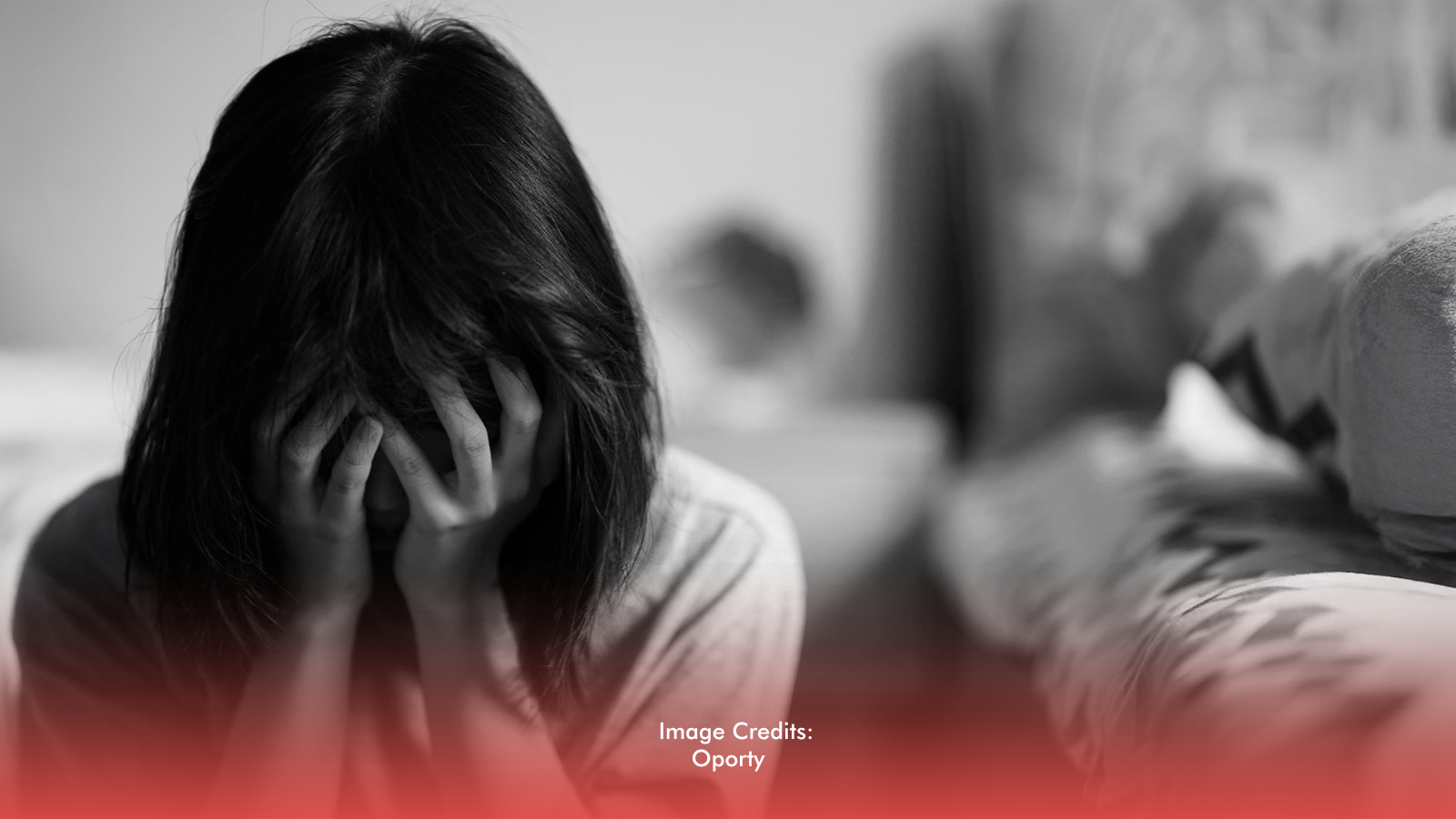
According to the National Center for Mental Health (NCMH), more young people are reaching out for help as suicide-related concerns make up a growing share of calls to the government’s mental health crisis hotline.
NCMH Medical Center Chief Dr. Noel Reyes said Monday that suicide-related calls now account for 35% of all calls received by the agency’s 24/7 hotline, up from just 10% before the COVID-19 pandemic.
Calls involving self-harm increase
“The number of callers has quadrupled,” Reyes said in an interview on Bagong Pilipinas Ngayon, adding that calls involving self-harm have also increased.
He noted that callers are also getting younger, prompting the NCMH to encourage young people to seek support before emotional distress becomes overwhelming.
Reyes stressed that asking for help should not be seen as a weakness. Instead, he described it as an act of self-protection, courage and responsible decision-making.
Adults urged to listen
The NCMH also called on parents, teachers and other adults to take young people’s concerns seriously and avoid comparing their struggles with those of previous generations.
Children today face different environments and pressures, Reyes said. Adults should listen without judgment and avoid dismissing their concerns as being “dramatic” or telling them that others have it worse.
When a child opens up, he encouraged adults to respond with reassurance and make it clear that they do not have to deal with their problems alone.
The NCMH said having their feelings dismissed or invalidated may prevent children from seeking help even when they are already experiencing severe emotional distress.
Watch for warning signs
The agency issued the reminder following another fatal school shooting at Banga National High School in South Cotabato.
Parents, teachers, and peers were urged to watch for major physical or behavioral changes, including fear of going to school, intrusive thoughts, and nightmares.
Physical symptoms such as headaches, stomachaches, cold hands and feet, as well as tremors and palpitations may also signal anxiety or distress.
More serious warning signs include hopelessness, excessive guilt, alcohol abuse, and self-harm, which require immediate intervention.
Those who need support may call 1553 or 0919-057-1553, available 24/7. Free online psychosocial support is also available through ncmhusaptayo.com.