The Philippines’ water systems are facing growing strain as demand continues to rise, made even more urgent by the ongoing El Niño conditions affecting the country. With less rainfall and declining water levels in key sources, the limitations of existing infrastructure are becoming more evident.
Across urban centers and developing areas, the gap between water demand and system capacity is widening. As supply tightens due to prolonged dry conditions, the ability of water systems to deliver consistent service is being put to the test.
RELATED: [The PH Water Crisis: How Our Water Is Disappearing Before It Reaches Our Homes]
A System Built for a Different Time
Many of the country’s water systems were designed decades ago, when population levels and water demand were significantly lower. Today, these same systems are expected to support millions more users, often without the necessary upgrades in pipelines, storage, and distribution networks.
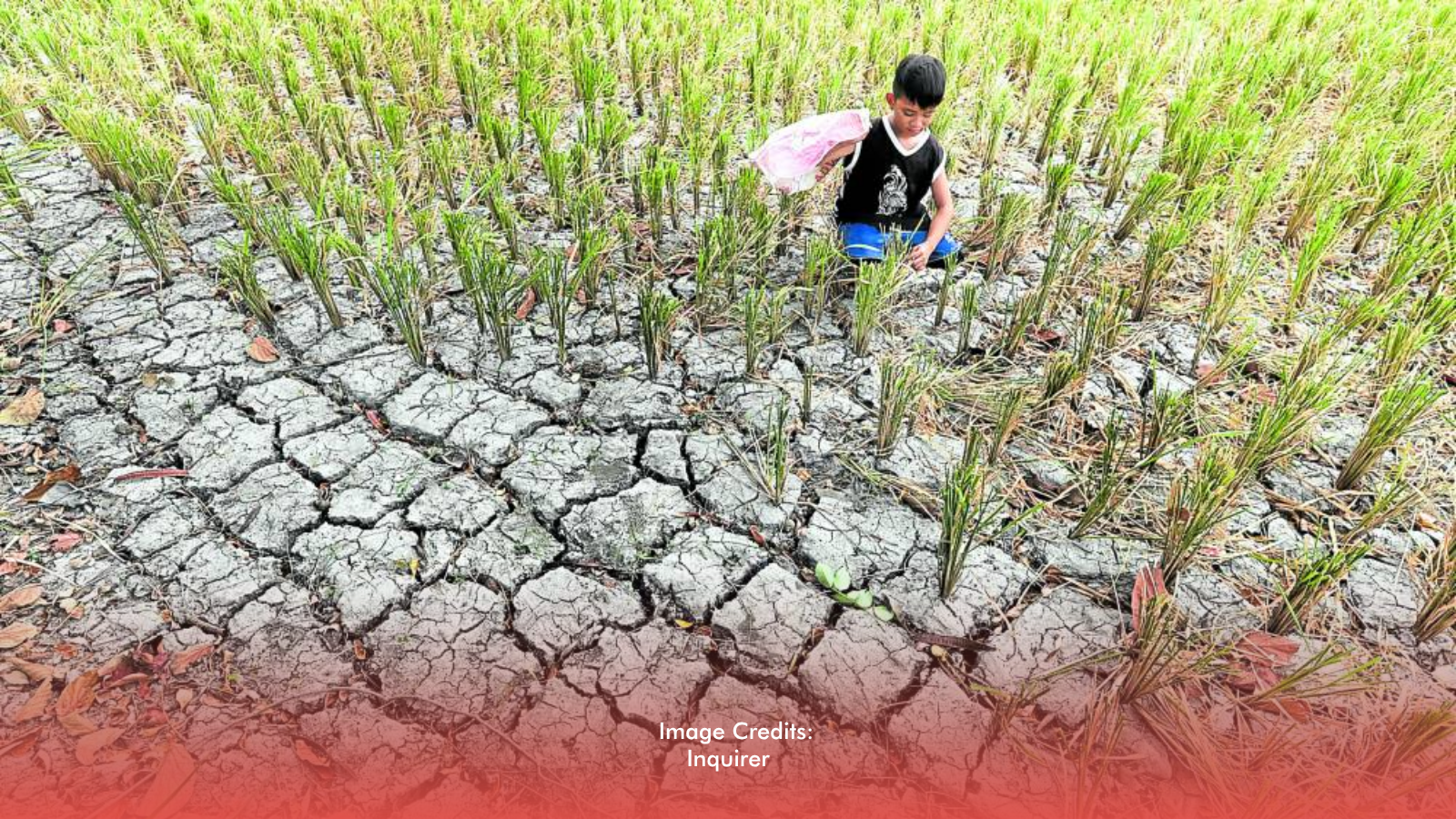
The ongoing El Niño has only intensified this challenge. With reduced rainfall, water levels in dams and other sources continue to drop. But beyond the issue of supply, the bigger concern lies in whether existing infrastructure can efficiently distribute what remains.
In many areas, aging pipelines and limited storage capacity make it difficult to maintain steady pressure and consistent flow. As a result, households experience water interruptions, especially during peak usage hours when demand is highest.
When Lower Supply Meets Higher Demand
El Niño conditions bring prolonged heat, which not only reduces available water but also drives up consumption. More households rely heavily on water for daily use, cooling, and sanitation, placing additional pressure on already strained systems.
This combination of lower supply and higher demand exposes the weaknesses of existing infrastructure. Even when water is still available at the source, inefficiencies in distribution can prevent it from reaching communities reliably.
The result is a more pronounced water shortage, where limitations in infrastructure amplify the impact of seasonal drought conditions.
The Need to Modernize and Prepare
Addressing the country’s water challenges requires more than just securing new sources. It also means strengthening the systems that deliver water to homes and businesses.
Investments in modern pipelines, expanded storage facilities, and improved monitoring systems can help reduce losses and improve distribution efficiency, especially during periods of low supply. Long-term planning is also essential to ensure that infrastructure can withstand climate-related stresses such as El Niño.
As the effects of the dry season continue to unfold, one thing becomes clear: the issue is not only about how much water is available, but whether the system is equipped to handle it. Without modernization, the strain on Philippine water systems will only become more difficult to manage in the years ahead.
RELATED: [Why A Water-Rich Philippines Still Faces Water Shortages]