Labor Day is meant to honor the Filipino worker. It stands as a day of recognition, for rest, and for appreciation. But beyond the greetings and tributes lies this chance to measure how workers are actually doing. And this year, that measure feels harder to ignore.
Setting the Scene
What does it mean to “celebrate” labor when many workers are struggling just to keep up?
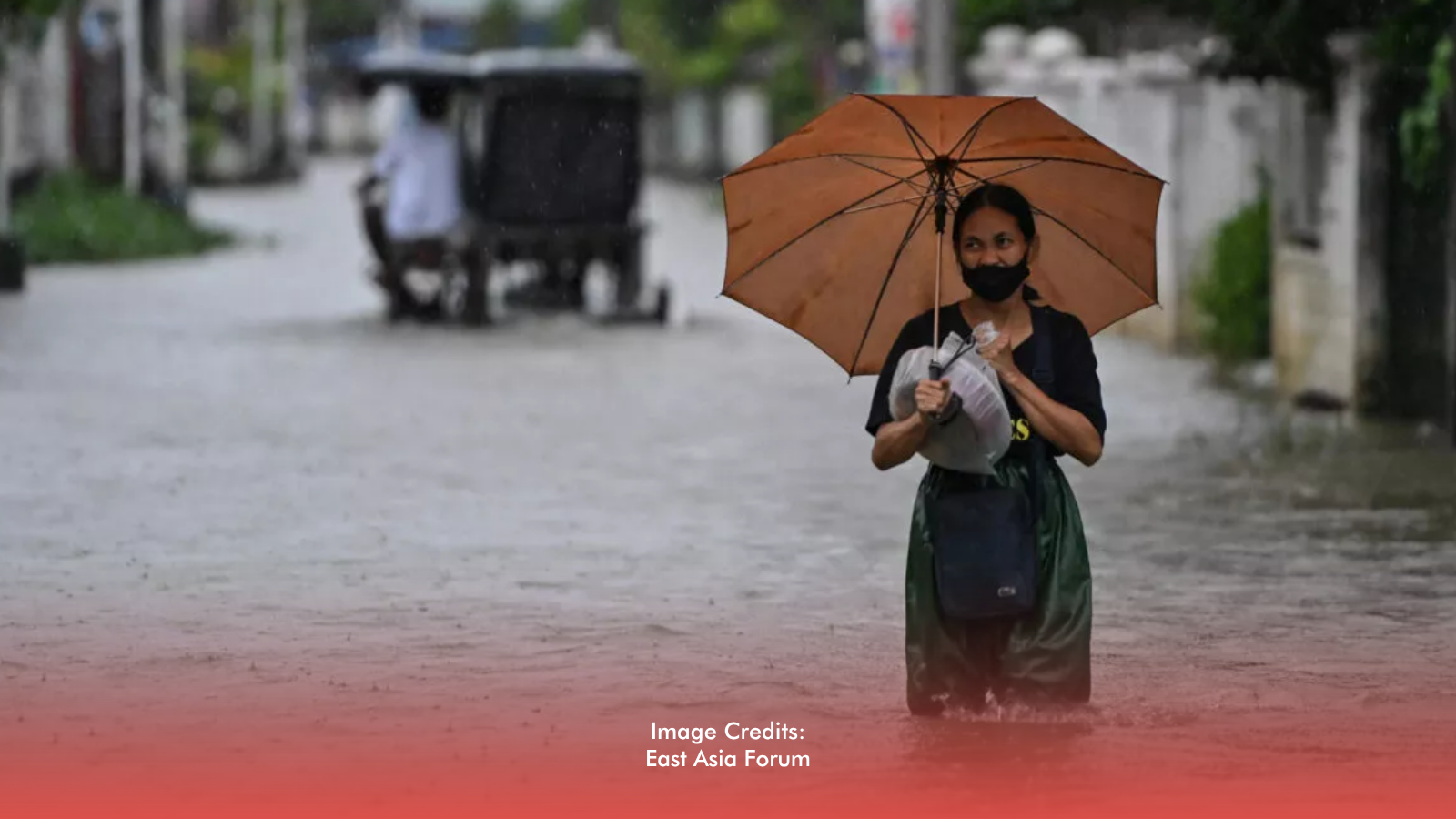
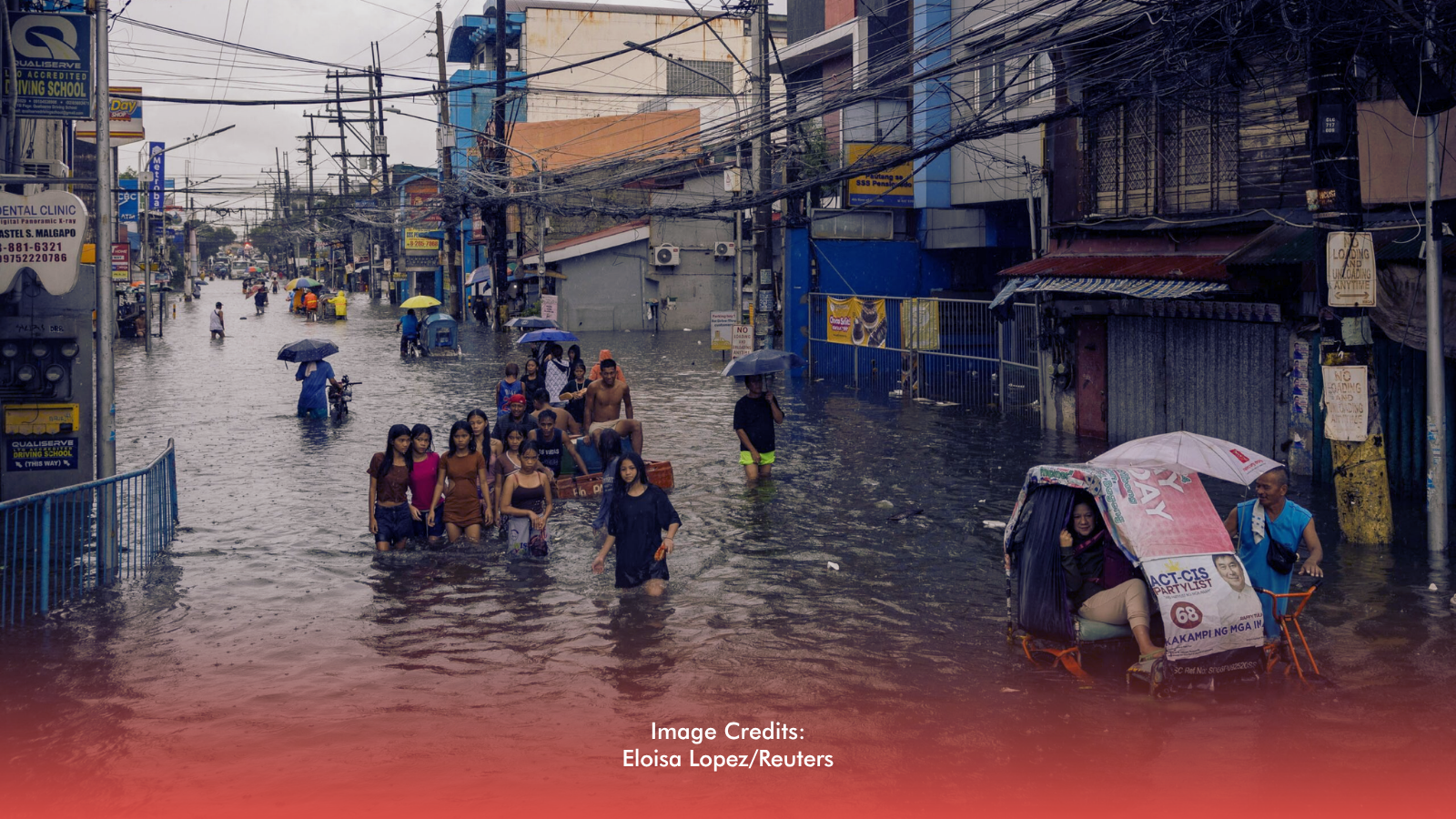
Across the country, transport groups continue to stage strikes, calling for the reduction of VAT and excise taxes on petroleum products. These protests do not happen in isolation. They come after weeks of near-constant oil price hikes that ripple through daily life. For many workers, the cost of simply getting to work has become another burden to carry.
Labor Day, in this sense, becomes less about celebration and more about taking stock.
A Chain Reaction
An energy crisis is often discussed in terms of supply and geopolitics. But on the ground, it feels more immediate.
When fuel prices rise, transportation costs follow. And when transportation costs rise, workers are left to adjust, stretching wages that were already meant for basic needs. So what should have been a steady paycheck becomes something else entirely: a way to stand still.
These pressures are not always visible, but they shape everyday decisions, whether to take a side hustle, skip a meal, or endure longer commutes for the same pay.
Small Wins, Bigger Questions
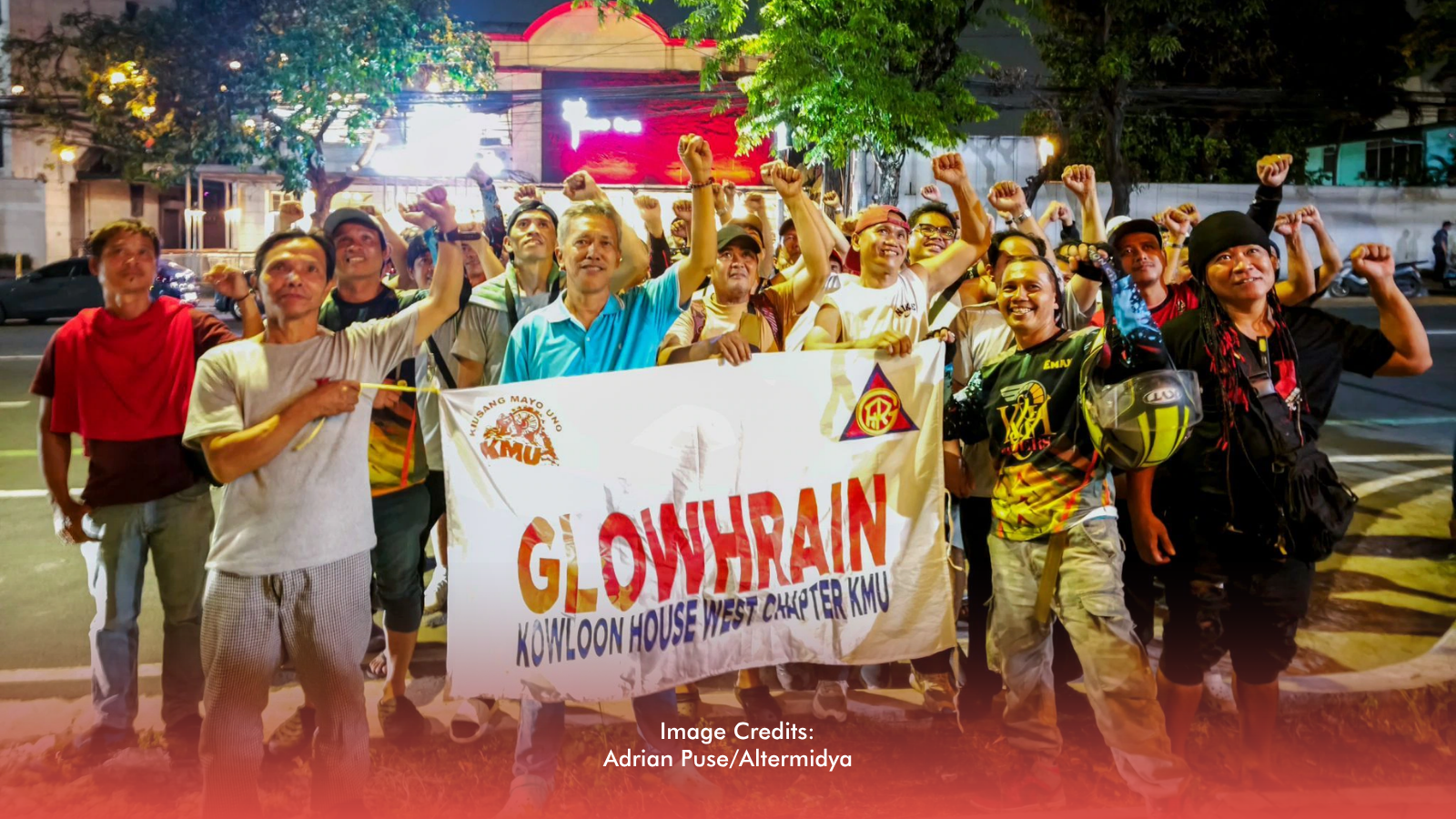
Shifting to another incident, the recent Kowloon House strike offers a glimpse of both progress and its limits. Workers accused management of failing to provide mandated wage increases and service charges, leading to a five-day strike in April. A settlement was eventually reached, securing a P20 daily wage increase and the release of accumulated service charges, along with added benefits.
It is considered a win, at first. But it also raises a difficult question: why did it take a strike to secure what has been long overdue? Plus, if fairness must be fought for each time, can it truly be called “standard”?
The Bigger Picture
The ongoing energy crisis, shaped in part by global tensions, continues to trickle down into the everyday lives of Filipino workers. They are often the ones absorbing the impact of rising costs, with little buffer to fall back on.
So perhaps the question is not whether we “celebrate” them, but whether the systems around them allow them to live and work with dignity, especially when crises make that dignity harder to sustain.