Cases of human immunodeficiency virus (HIV) and acquired immunodeficiency syndrome (AIDS) among Filipino youth are rising at an alarming rate, prompting health experts to stress the importance of early testing and awareness.
Recent data from the Philippine Pediatric Society (PPS) indicate that roughly 34 percent of new HIV cases occur among those aged 15 to 24, with an average of 55 daily diagnoses—the majority involving young men. These figures highlight the urgent need to make HIV testing accessible to adolescents and to normalize it as part of routine healthcare.
RELATED: [HIV Cases In Young Filipinos On The Rise In PH]
The Role of Early Testing in Protecting Youth
Early detection of HIV significantly improves health outcomes and reduces transmission. With proper treatment, the virus can be suppressed to undetectable levels, making it effectively untransmittable. The Philippine HIV and AIDS Policy Act allows individuals as young as 15 to undergo testing without parental consent, enabling adolescents to take proactive steps toward their health.
Despite this, access to preventive medications such as PrEP (pre-exposure prophylaxis) and contraception still requires parental approval for minors, presenting additional barriers to comprehensive protection.
By catching infections early, young people can receive timely treatment, reducing the risk of complications and empowering them to make safer choices in sexual health. Testing also provides an opportunity for counseling and education, fostering responsible behavior that can prevent further spread of HIV.
Breaking the Stigma Surrounding HIV
Stigma remains a significant obstacle that discourages youth from seeking HIV testing and information. Many adolescents avoid clinics out of fear of judgment, misunderstanding, or social repercussions. Health experts emphasize that testing is not an indication of promiscuity but a responsible and preventative health measure.
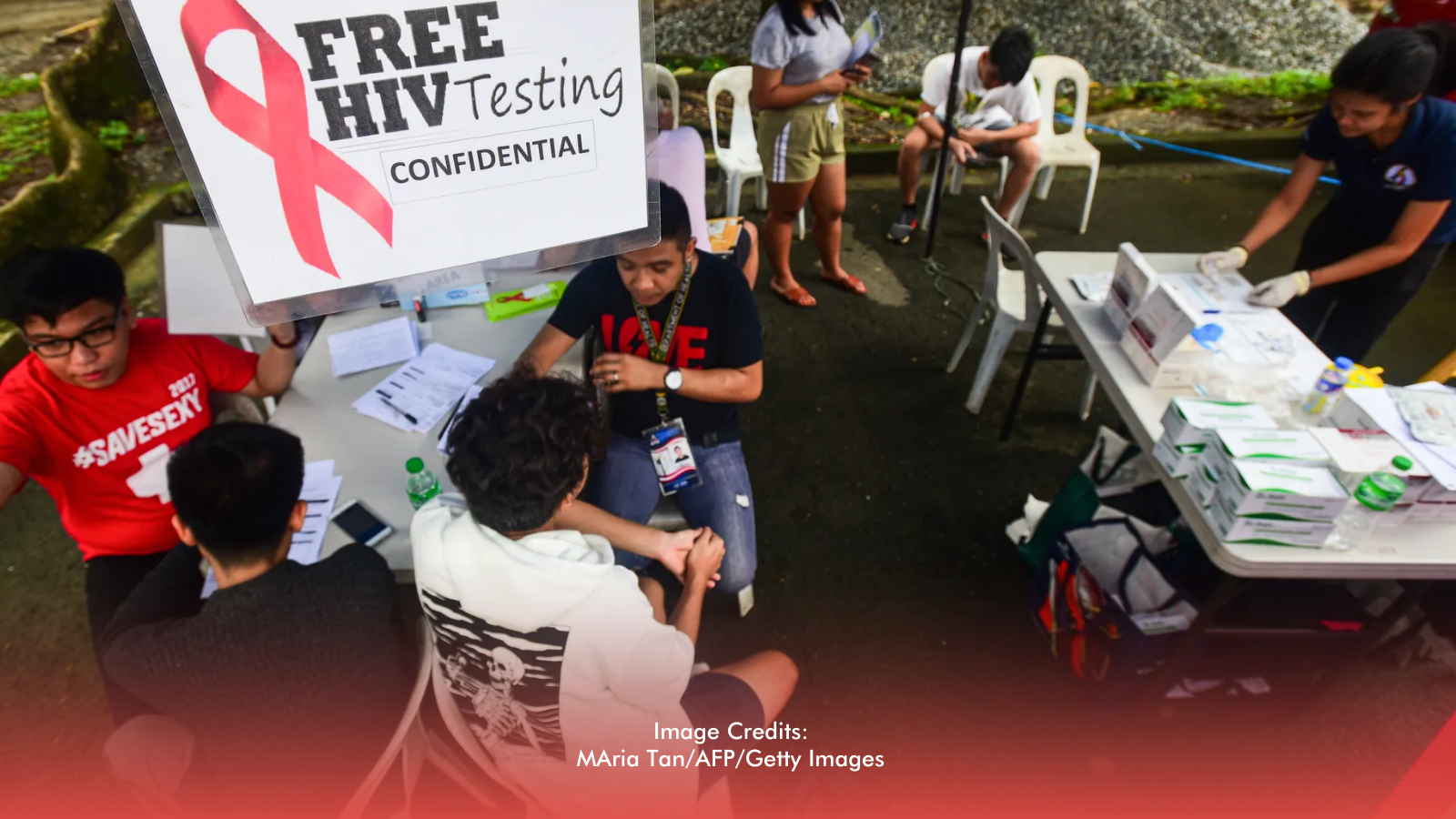
Free and confidential testing is widely available at government facilities and hospitals, and self-test kits can now be purchased over the counter, removing key barriers to early diagnosis. Normalizing conversations about sexual health and HIV can help young Filipinos overcome fear, seek treatment when necessary, and spread awareness among peers.
The Broader Impact on Filipino Society
The surge in HIV cases among the youth is not just a personal health concern; it affects the wider community. Early detection and treatment reduce healthcare costs, lower transmission rates, and strengthen public health resilience. By equipping young Filipinos with the knowledge, tools, and support to protect themselves, the country can curb the growing epidemic and ensure a healthier, more informed generation.
Promoting early testing and dismantling stigma are essential steps toward safeguarding the health of the nation’s youth and, ultimately, the Filipino population at large.
RELATED: [DOH Raises Alarm As HIV Cases Surge By 500%]