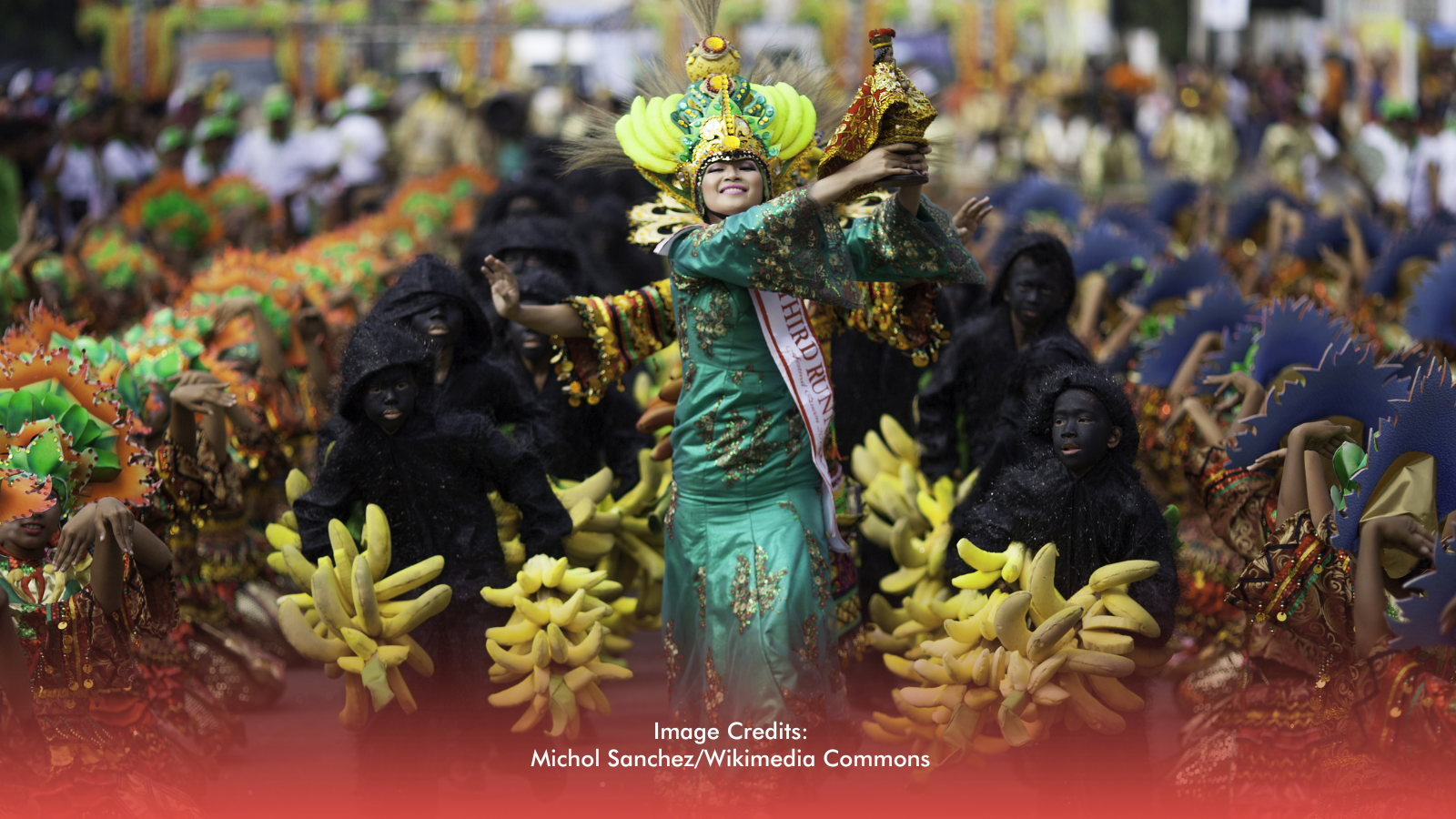
The streets of Kalibo, Aklan, have recently exploded with drumbeats, dancing, and devotion as the Kalibo Señor Sto. Niño Ati-Atihan Festival 2026 reached its peak last weekend. Locals and visitors filled the town with energy, chanting “Viva kay Señor Sto. Niño! Hala Bira!” as they honored both faith and rich cultural roots.
The festival officially ran from January 12 to 21, 2026, with the most dynamic revelry and tribal competitions happening January 17 and 18.
Sadsad in Full Swing
This year, 31 tribes took center stage in Kalibo’s streets during the much-anticipated Sadsad Ati-Atihan tribal competition. Each group brought its own rhythm, style, and vibrant costume as they paraded from Osmeña Avenue through Mabini Street and Roxas Avenue toward Kalibo’s parks and public plazas, delighting spectators and honoring the spirit of community.
The contest featured categories like Modern Tribal, Tribal Small, Traditional Ati, and Tribal Big, with cash prizes and special recognitions awarded across categories. The grand festivities wrapped up with the awards ceremony on the evening of January 18, closing out one of the most energetic weekends of the festival.
Significant Economic Driver
During the 10-day celebration, the Kalibo Ati-Atihan Product Expo at CityMall Kalibo showcased creations from 65 local MSMEs, featuring indigenous snacks, fashion accessories, home decor, and the globally admired Aklan piña fabric. The expo highlighted local craftsmanship and innovation while giving festival crowds direct access to authentic Aklanon products.
The lively festival atmosphere attracted tens of thousands of tourists and devotees, with hotels, restaurants, and local businesses reporting some of their busiest days of the year. This vibrant celebration showcases how Ati-Atihan fuels economic activity throughout Kalibo, supporting both cultural and community prosperity.
More Than a Party
Ati-Atihan’s meaning stretches far beyond its lively street scene. The festival’s name comes from the phrase “to be like the Ati,” a symbolic tribute to the indigenous Atis who are among the earliest inhabitants of Western Visayas. Today’s celebrations blend this ancestral heritage with deep devotion to the Santo Niño (Holy Child Jesus), making Ati-Atihan one of the most enduring and beloved cultural traditions in the Philippines.
Because of its influence and legacy, Ati-Atihan paved the way for other major Philippine festivals like Sinulog in Cebu and Dinagyang in Iloilo, helping shape the nation’s vibrant tradition of festival culture.
Safety, Community, and Ongoing Revelry
The 2026 festival also marked intensified efforts to ensure safety and peace of mind for everyone attending. Local authorities deployed thousands of police personnel, emergency responders, and health workers throughout Kalibo’s most festive zones as part of coordinated security efforts. Officials also urged public vigilance and health awareness, given the large crowds drawn by both Ati-Atihan and neighboring region celebrations.
As the festival winds down toward January 21, the echoes of sadsad beats, the sight of painted faces, and the joyful shouts of “Hala Bira!” continue to remind attendees and followers alike why Ati-Atihan is considered the Mother of All Philippine Festivals — a place where history, devotion, and community rhythm converge in a uniquely Filipino spectacle.
MORE LIKE THIS: [Sinulog 2026 Kicks Off: Cebu Comes Alive with Faith and Festivities]