
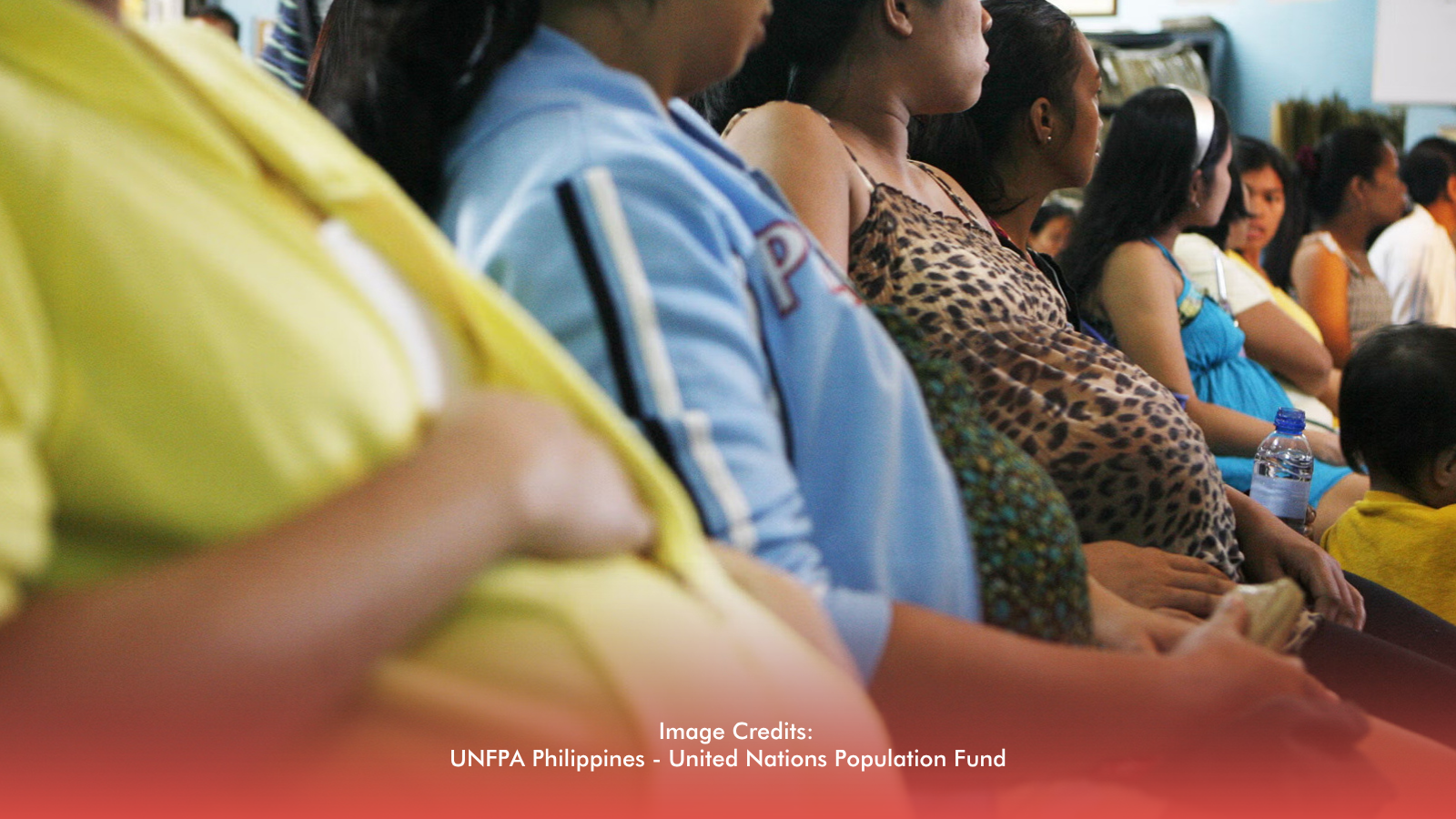
Health services for expectant mothers in Eastern Visayas are set for a major upgrade as regional authorities move to strengthen maternal care through a broader prenatal monitoring system. The initiative seeks to enhance how pregnancy is tracked and managed across communities by improving access to regular checkups and early medical intervention.
The Department of Health in Eastern Visayas (DOH-8) is shifting from the traditional four prenatal consultations to an expanded eight-visit antenatal care schedule. The revised approach is designed to provide more consistent monitoring of both maternal and newborn health conditions throughout pregnancy.
Officials aim to ensure that at least 60 percent of pregnant women in the region complete the required prenatal visits before the end of 2026. The program is aligned with the national health agenda under the Marcos administration, which prioritizes stronger maternal and child healthcare systems across the country.
RELATED: [Central Visayas Fertility Rate Falls Below Replacement Level in 2025]
Focus on Early Detection and Improved Monitoring
Health authorities emphasized that the expanded consultations are crucial in identifying pregnancy-related complications at earlier stages. Conditions such as hypertension, anemia, and fetal distress were cited as key risks that can be better managed through more frequent medical checkups.
Regional Adolescent Health and Development focal person Leo Erner explained that the program will also take advantage of digital health tools to improve patient tracking and service delivery. These include SMS-based reminders, mobile health applications, and upgraded electronic medical records to ensure continuity of care.
Erner also noted that additional improvements are being introduced at the community level, including upgraded health facilities, better scheduling systems, and localized interventions aimed at reducing waiting times and improving access for pregnant women.
“Our goal is to provide every pregnant woman with quality and complete health care support that will significantly improve the health outcomes of mothers and newborns in the region,” Erner said.
Strengthening Maternal Care Systems in Communities
The expanded prenatal care program is also expected to improve coordination between healthcare workers and local communities, ensuring that more women receive timely medical attention during pregnancy. By increasing the number of required checkups, health officials hope to reduce risks associated with late detection of complications.
For many Filipino families, especially in rural and underserved areas, improved prenatal services can lead to safer pregnancies, healthier newborns, and reduced maternal health risks. Strengthening maternal healthcare in regions like Eastern Visayas contributes not only to individual family well-being but also to broader national health outcomes and long-term community development.
RELATED: [Cebu Mothers Find Hope Through Bell-Kenz Foundation’s First 1,000 Days Program]