The first 1,000 days of a child’s life are widely considered one of the most critical periods for long-term health and development. In Cebu, a maternal and child healthcare initiative is helping vulnerable mothers receive the support they need during this crucial stage, providing access to healthcare services, nutrition assistance, and parenting education.
The First 1000 Days (F1KD) Maternal and Early Childhood Health Care Program, implemented through a partnership among PHINMA Foundation, PHINMA Education, and Bell-Kenz Foundation Inc. (BKFI), seeks to improve the well-being of mothers and children in underserved communities. The program was piloted in Cebu and focuses on supporting families from pregnancy until a child reaches two years old.
RELATED: [Sagip CPR Brings Life-Saving Training to Iloilo BJMP Facilities]
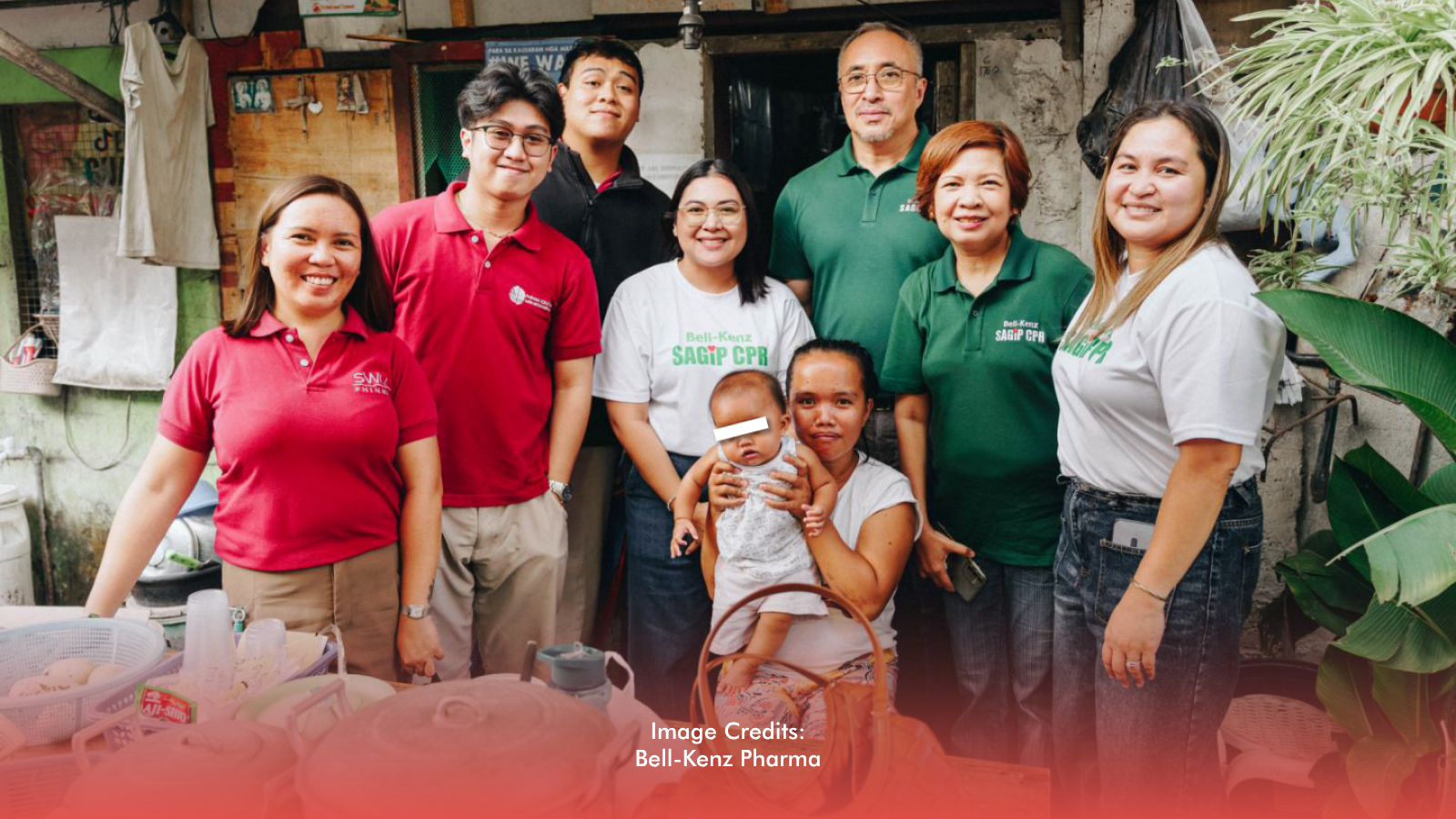
According to Heide Foulc of PHINMA Education, the initiative currently assists 70 mother-and-child beneficiaries through nutrition interventions, health education, and access to essential healthcare services during the critical first 1,000 days.
For many participants, the program has provided guidance during difficult circumstances. One of them is 21-year-old Angel Amosa from Sambag, who faced pregnancy with limited financial resources and without support from a partner. Through the program, she gained a better understanding of maternal nutrition and health.
“Wala ko kabalo nga kinahanglan diay mag-amping ka sa imong kaon kung buntis ka (I didn’t know before that you really need to take care of what you eat during pregnancy),” Angel shared in Cebuano.
Early Intervention and Maternal Care
Program beneficiaries were identified through community health profiling conducted by Southwestern University PHINMA and Barangay Health Units. The assessment considered factors such as household income, living conditions, and maternal health risks to ensure assistance reached those who needed it most.
Angel entered the program at around four months pregnant, allowing healthcare providers to monitor her condition and provide structured prenatal care. Beneficiaries also receive regular prenatal consultations, monthly laboratory tests, milk, vitamins, supplements, and nutrition counseling sessions facilitated by healthcare professionals, including dietitians from Southwestern Medical Center.
Another beneficiary, Mary Talledo, a mother of three, benefited from early medical intervention after being diagnosed with elevated blood sugar levels during pregnancy.
“I was advised to eat corn instead of rice at night and avoid sweets,” Mary recalled. “Before, I didn’t know these things, but now I understand how important they are for the baby’s health.”
She said the support she received resulted in a healthier pregnancy compared to her previous experiences.
“Before, I was very thin and weak. Now I feel healthier, and my baby is also healthy,” she added.
Building Stronger Families Through Education
Beyond medical services, the F1KD program also equips mothers with practical knowledge on childcare, breastfeeding, nutrition, and emotional preparedness. These educational sessions help parents develop confidence and skills that can positively influence their children's growth and development.
“Minsan busy sa bahay, pero natututo pa rin ako (Sometimes I get busy at home, but I still learn),” Angel shared.
Foulc emphasized the broader impact of maternal health initiatives, noting that:
“Healthy mothers lead to healthier families and stronger communities,” she said.
Through its Kaagapay sa Kalinga advocacy, Bell-Kenz Foundation Inc. continues supporting mothers even after childbirth through breastfeeding guidance, monthly maternal and infant milk provision, vitamin supplementation, and regular health monitoring for children.
Highlighting the importance of the initiative, Patrick Larraga, Corporate Branding and Public Affairs Head of Bell-Kenz Pharma Inc., stated:
“Every mother deserves the opportunity to bring life into the world healthy, safely, and with dignity. This initiative reinforces Bell-Kenz Pharma’s thrust to make life better for all Filipinos. With a program like F1KD, we aim to contribute to solving the long-standing nutrition problem in the country. The program strives not only to provide quality maternal care, but also to empower mothers through education, proper nutrition, and continuous support.”
For Angel and Mary, the program has become a life-changing source of support.
“Salamat kaayo kay gi-tabangan ko nila (I am very thankful because they helped me),” they shared simply.
As maternal and child health challenges continue to affect many Filipino communities, programs like F1KD demonstrate how early intervention, proper nutrition, and sustained healthcare support can help create healthier families.
In Cebu, these efforts are not only improving the lives of mothers and children today but are also helping build stronger and more resilient communities for the future.
RELATED: [Returning OFWs In Central Visayas Eligible For Livelihood Support]