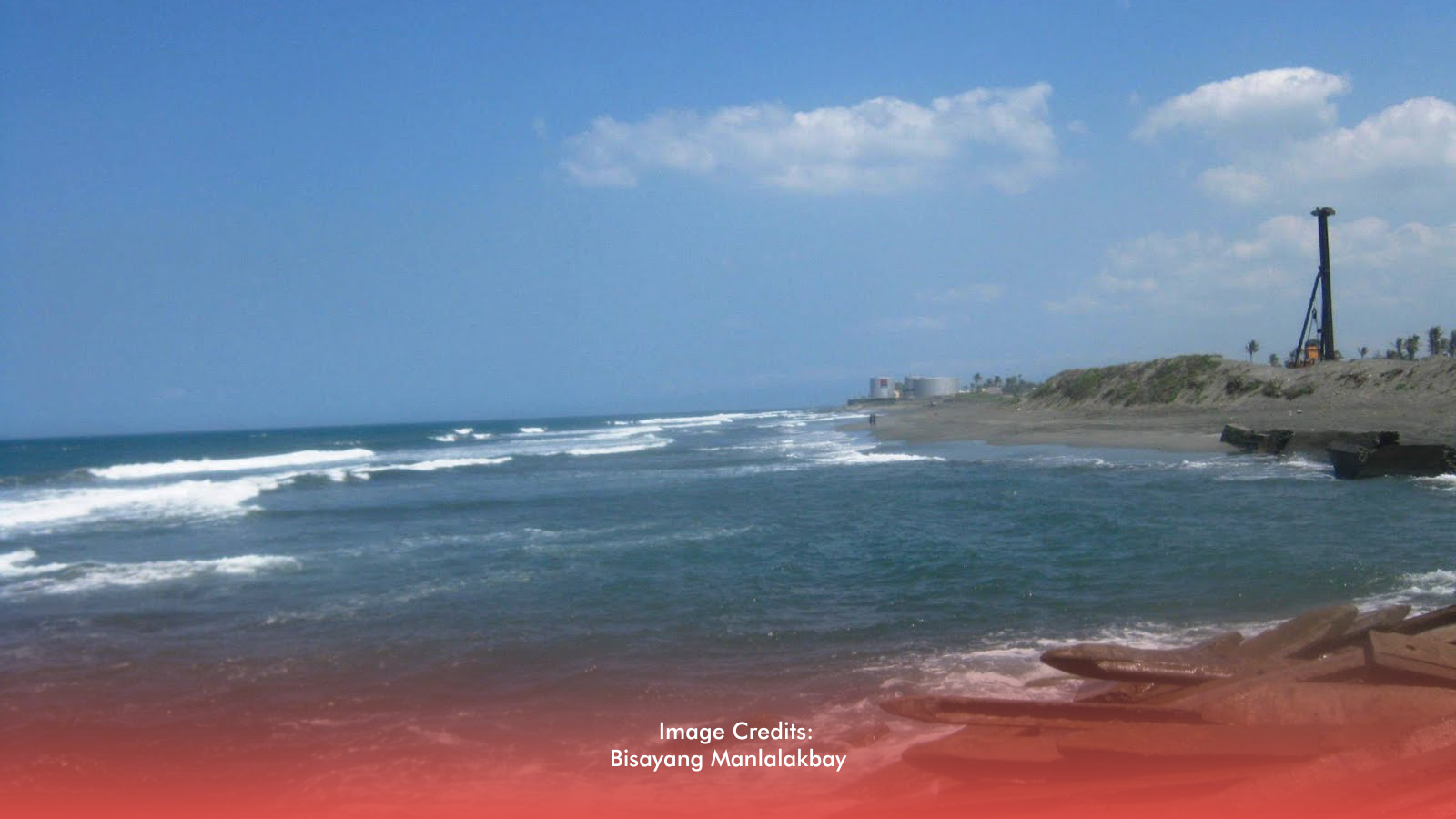
The provincial government of Cagayan is advancing plans to elevate the Port of Aparri into a major international gateway, aligning its development strategy with key national agencies to strengthen Northern Luzon’s role in regional trade.
Governor Manuel Aglipay formalized cooperation with the Bureau of Customs (BOC)-Port of Aparri, led by district collector Segundo Sigmundfreud Barte Jr., to advance a shared vision of transforming Aparri into “The Front Door to the Asia-Pacific Region.” The initiative seeks to establish Cagayan as the country’s primary northern maritime hub.
Modernization and Expansion Plans
The governor underscored that sustained progress requires coordination beyond the provincial level, pointing out that infrastructure planning, trade facilitation, border protection, and investment promotion must move in step with national priorities.
“The geographical location of Aparri, being closest to China, Taiwan, Japan and South Korea, is a natural advantage that must be maximized in this era of global supply chain realignments and regional integration,” the governor explained.
Central to the strategy is a comprehensive upgrade of the port’s facilities. Plans include expanding berths and container yards, conducting dredging operations, enhancing navigational safety systems, establishing Inland Container Terminals in Tuguegarao and Aparri, and strengthening customs clearance procedures.
Aglipay said the project is designed not only to help decongest Metro Manila ports but also to anchor a new trade, logistics, and industrial center in Northern Luzon. Looking further ahead, the province envisions Aparri evolving into an offshore oil transshipment hub and positioning Northern Luzon as the Philippines’ version of “Jurong Island,” a dynamic industrial and commercial corridor.
The governor emphasized that the initiative is intended to benefit more than large-scale enterprises, highlighting its relevance to ordinary Cagayanos.
Inclusive Growth and Economic Opportunities
Under proposals from the BOC, online sellers, fishermen, and farmers will be integrated into the formal trade system. This includes the creation of an online mall that would broaden market access for local producers. Officials said this approach ensures that port development becomes a vehicle for inclusive growth, generating jobs, reinforcing agriculture and fisheries, and raising incomes within communities.
The governor noted that the plan is anchored in his Egay Governance Platform. Through the activation of the Aparri Port, the province aims to unlock thousands of opportunities, enhance energy security, strengthen border protection and revenue collection, increase export capacity for local goods, and build a more stable economic foundation for the next generation.
Working alongside the BOC and agencies such as the Philippine Ports Authority, Department of Transportation, Department of Trade and Industry, Department of Public Works and Highways, and the Regional Development Council Region 2, the governor declared, “the provincial government is ready to do everything to elevate Cagayan as the new northern gateway of the Philippines to the Asia-Pacific which is a step toward more stable, more connected and more inclusive development.”
The project signals the possibility of new jobs, stronger local industries, and better access to regional markets. By positioning Aparri as a strategic maritime link to the Asia-Pacific, Cagayan’s push could help balance economic growth beyond Metro Manila and reinforce the country’s competitiveness in an evolving global trade landscape.
RELATED: [Cagayan To Establish P275-M Rice Processing Center For Agri Modernization]