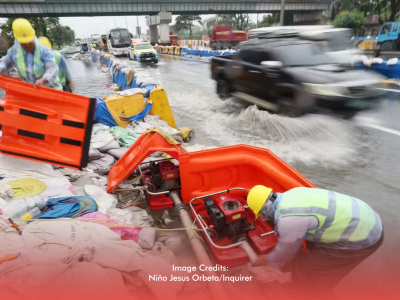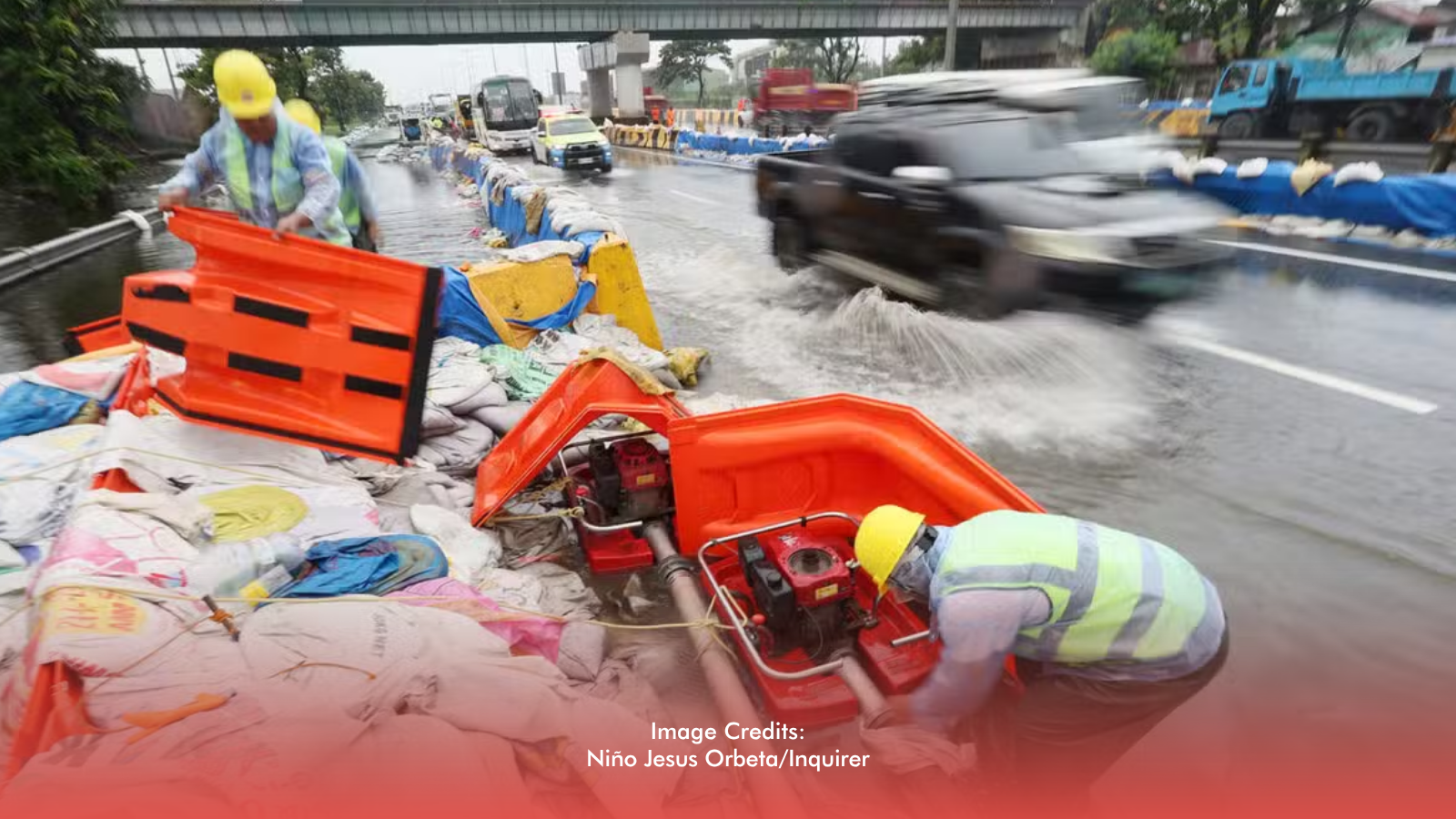
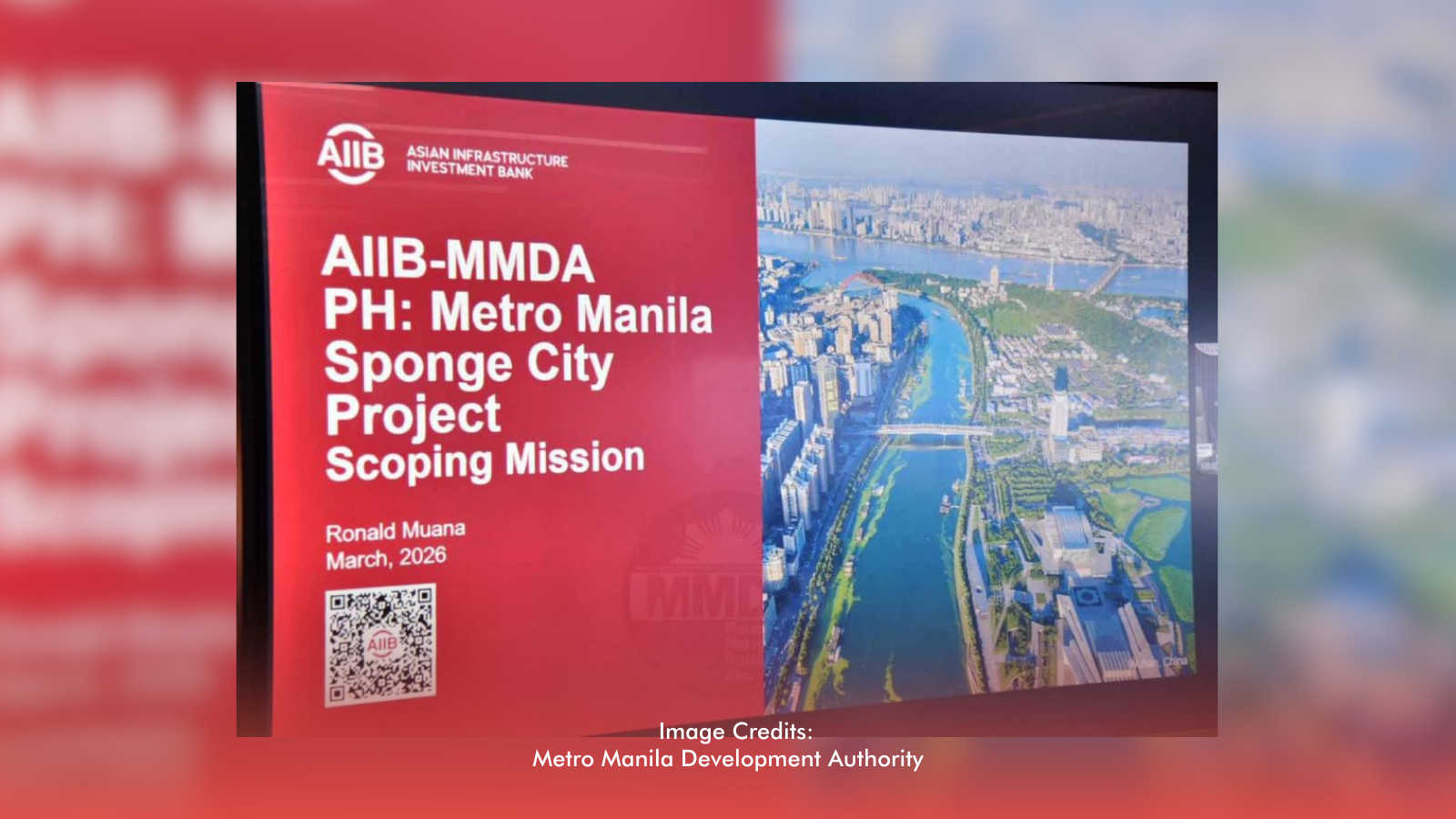
The Metropolitan Manila Development Authority (MMDA) is set to pilot a “sponge city” approach by 2027 as part of efforts to address the capital’s persistent flooding problems. The initiative will integrate natural and landscape-based interventions to complement existing drainage infrastructure, aiming to improve stormwater management across Metro Manila.
MMDA Chairman Romando Artes discussed the plan following talks with officials from the Asian Infrastructure Investment Bank (AIIB), which, along with the World Bank, will support the Metro Manila Sponge City Project under the broader Metro Manila Flood Management Project (MMFMP). The program seeks to strengthen coordination among national agencies and local government units while enhancing the city’s capacity to respond to flood events.
RELATED: [DPWH Cites Marikina As Model For National Flood Control Reforms]
Nature-Based Solutions for Flood Resilience
“This project combines Nature-Based Solutions and the Sponge City approach, along with the traditional drainage infrastructures and green-blue systems such as parks, wetlands and rivers to act as catchment areas, absorb, and improve the flow of rain or floodwaters,” Artes said during the briefing.
Under the MMFMP, government efforts will continue to modernize over 70 major and minor pumping stations, reduce solid waste, construct rainwater impounding facilities, and improve project management and inter-agency coordination. Artes noted that the project is still in the “scoping phase,” with officials identifying suitable locations that minimize land acquisition challenges while offering maximum impact for flood control.
Global Inspiration for Local Implementation
The sponge city concept was initially developed in China between 2000 and 2005 by architect Kongjian Yu. Its goal is to create urban areas capable of absorbing, storing, and cleaning rainwater, thereby reducing flood risks and alleviating water scarcity. Cities around the world, including Copenhagen, Rotterdam, Berlin, Singapore, Wuhan, Bangkok, Dhaka, Portland, and Mexico City, have since adopted the approach to complement traditional flood management strategies.
According to officials, the Metro Manila Sponge City Project is expected to span about five years, with implementation slated to start next year. Components of the program will include water-retention systems and the creation of green public spaces to help manage stormwater naturally. One key feature will be a linear park along the San Juan River easement, designed to incorporate nature-based flood mitigation measures. The MMDA is also working with relevant sectors to locate rainwater impounding facilities for periods of heavy rainfall.
By integrating sustainable, nature-based systems into urban infrastructure, the project aims to protect Metro Manila residents from recurring floods while enhancing the city’s environmental resilience. For the average Filipino, this initiative could mean fewer disruptions during rainy seasons, safer communities, and improved public spaces that double as flood buffers.
RELATED: [Oplan Kontra Baha: DPWH Mobilizes Nationwide Effort To Mitigate Flooding]