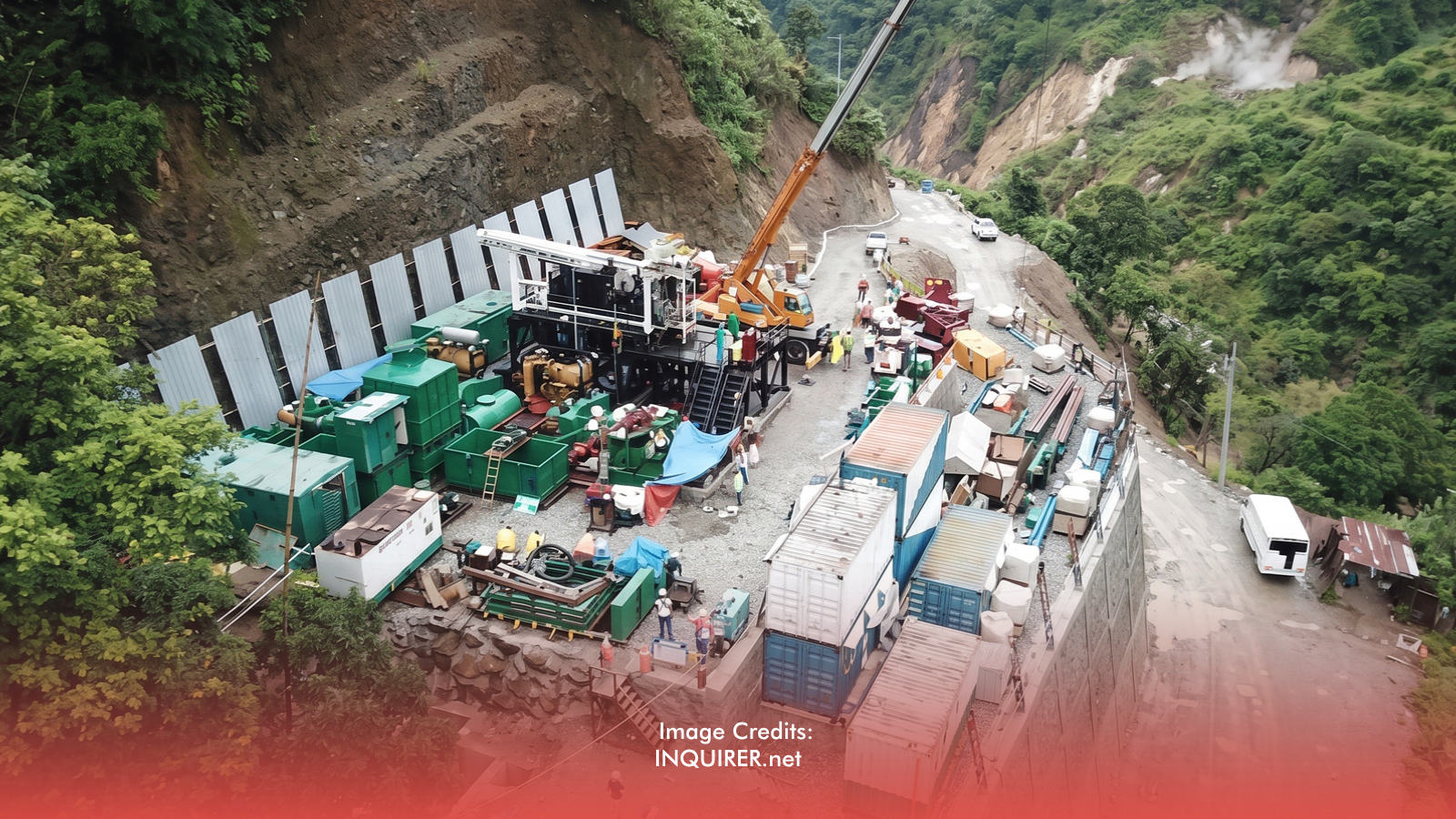
The Philippine Senate is advancing a bill to establish a non-partisan commission tasked with scrutinizing government infrastructure projects and ensuring greater transparency across all levels of public works.
The proposed Independent People’s Commission (IPC) is intended to act as a watchdog for planning, procurement, and implementation processes, areas that have historically been vulnerable to irregularities and corruption.
RELATED: [Survey Shows Filipinos Losing Confidence In Govt Over Corruption, Inflation]
Strengthening Citizen Participation in Infrastructure Oversight
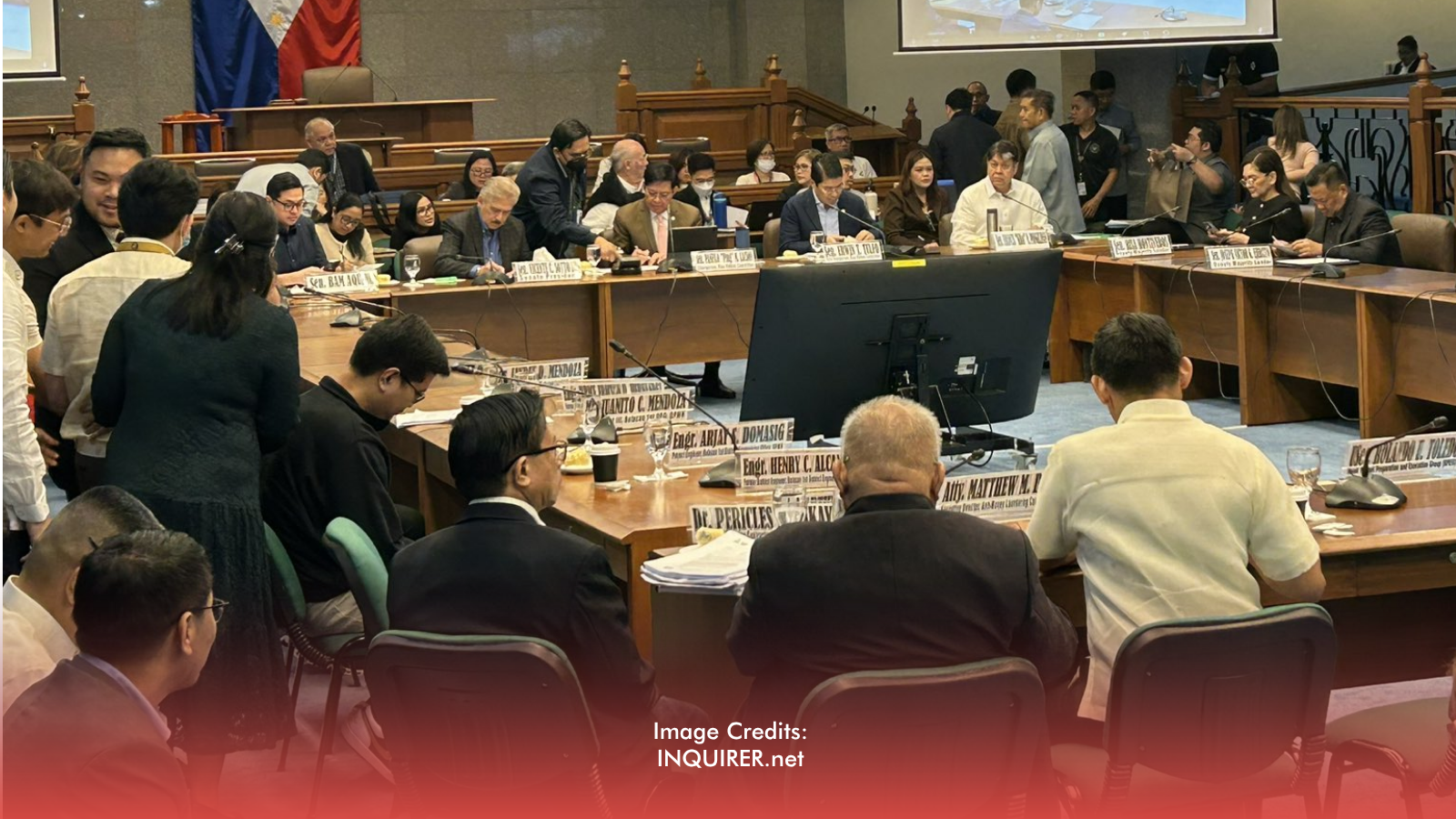
Senate Bill 1512, officially titled the “Independent People’s Commission Act,” was drafted by the Committees on Justice and Human Rights; Civil Service, Government Reorganization and Professional Regulation; and Finance. Authored by Senators Vicente Sotto III, Erwin Tulfo, Risa Hontiveros, and Francis Pangilinan, the legislation replaces the earlier SB 1215 and seeks to create a first-of-its-kind citizen-participatory mechanism in infrastructure oversight.
Designed as a complementary oversight body, the IPC will not replace existing agencies but will coordinate closely with the Office of the Ombudsman, the Commission on Audit, and the Civil Service Commission. The bill emphasizes the need for technical, engineering, and financial audits of projects while consolidating national infrastructure data to improve reporting, analysis, and public accountability.
Anchored in the principles of the 1987 Constitution, SB 1512 asserts that public office is a public trust and that government resources must be protected from misuse, waste, or loss. By giving citizens a structured platform to participate in oversight, the commission aims to restore public confidence in the management of public works.
Mandate and Composition
The IPC’s responsibilities include probing irregularities such as overpricing, ghost projects, contract manipulation, and the use of substandard materials. It will assess the accountability of individuals or organizations involved in anomalies and recommend further investigation or prosecution through the Department of Justice and Ombudsman.
The five-member commission will be appointed by the president for three-year terms, selected from vetted lists submitted by professional bodies and anti-corruption groups. Its composition will include a retired Supreme Court justice as chairperson, a certified public accountant or forensic auditor, an engineer or architect with at least 10 years of experience, a governance-focused NGO representative, and an academic specializing in public administration, urban planning, disaster resilience, or data science.
Covering all national and local government units, government-owned or -controlled corporations, and other entities involved in infrastructure, the IPC seeks to modernize oversight, enhance accountability, and ensure public resources are managed responsibly.