
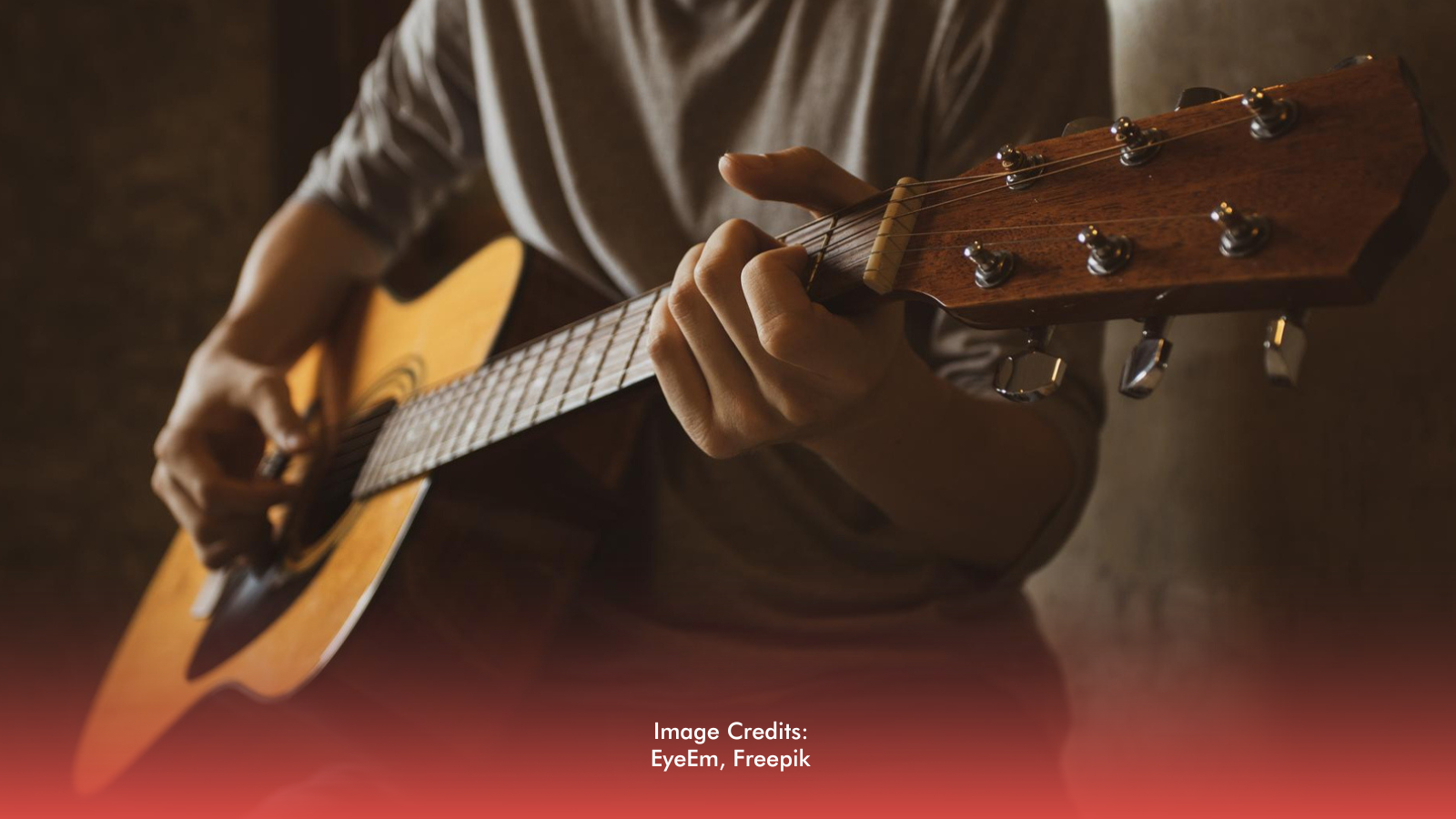
A new study from the University of the Philippines offers a hopeful twist to stroke rehabilitation: guitar lessons may help improve hand function among chronic stroke patients. Through the G.T.A.R.A. (Grip/Grasp Training with Active Range of Motion Activities using Guitar) project, researchers explored how music-based therapy could support and even enhance traditional rehab methods.
Using Music as Movement Therapy
Instead of relying solely on conventional routines, the G.T.A.R.A. team introduced structured guitar lessons designed specifically for stroke survivors. The approach was tested in a randomized controlled trial at the Philippine General Hospital, where 34 patients with unilateral hand impairment were assigned to two groups—one received guitar-based therapy, while the other continued with standard occupational therapy.
Over eight consecutive sessions, participants practiced guided hand movements, grip strengthening, and coordination exercises using the guitar as their main tool.
Notable Gains in Motor Coordination
After completing the therapy sessions, researchers evaluated each participant’s progress through grip and pinch strength tests, range-of-motion measurements, and standardized assessments.
While both groups showed similar results in terms of active range of motion, the guitar-lesson group demonstrated noticeably better improvements in motor coordination—suggesting that music-based rehab may activate engagement and movement in a different, more effective way.
A Rehab Option for Communities With Limited Resources
The authors noted that guitar-assisted therapy can be adopted even in areas with limited rehabilitation facilities or where occupational therapists are not always available. Its accessibility and affordability make it a practical and promising option for communities seeking creative ways to support stroke recovery.
The study—published in Acta Medica Philippina—was conducted by Kerza Geovien G. Ligaya, Sharon D. Ignacio, Daniel Joseph S. Morabe, Nathan Neil V. Manimtim, and Manuel Peter Paul C. Jorge II. Their work earned the G.T.A.R.A. Project team the International Publication Award.