
You finally found a house that checks every box. It's affordable, close to work, and looks perfect during your site visit.
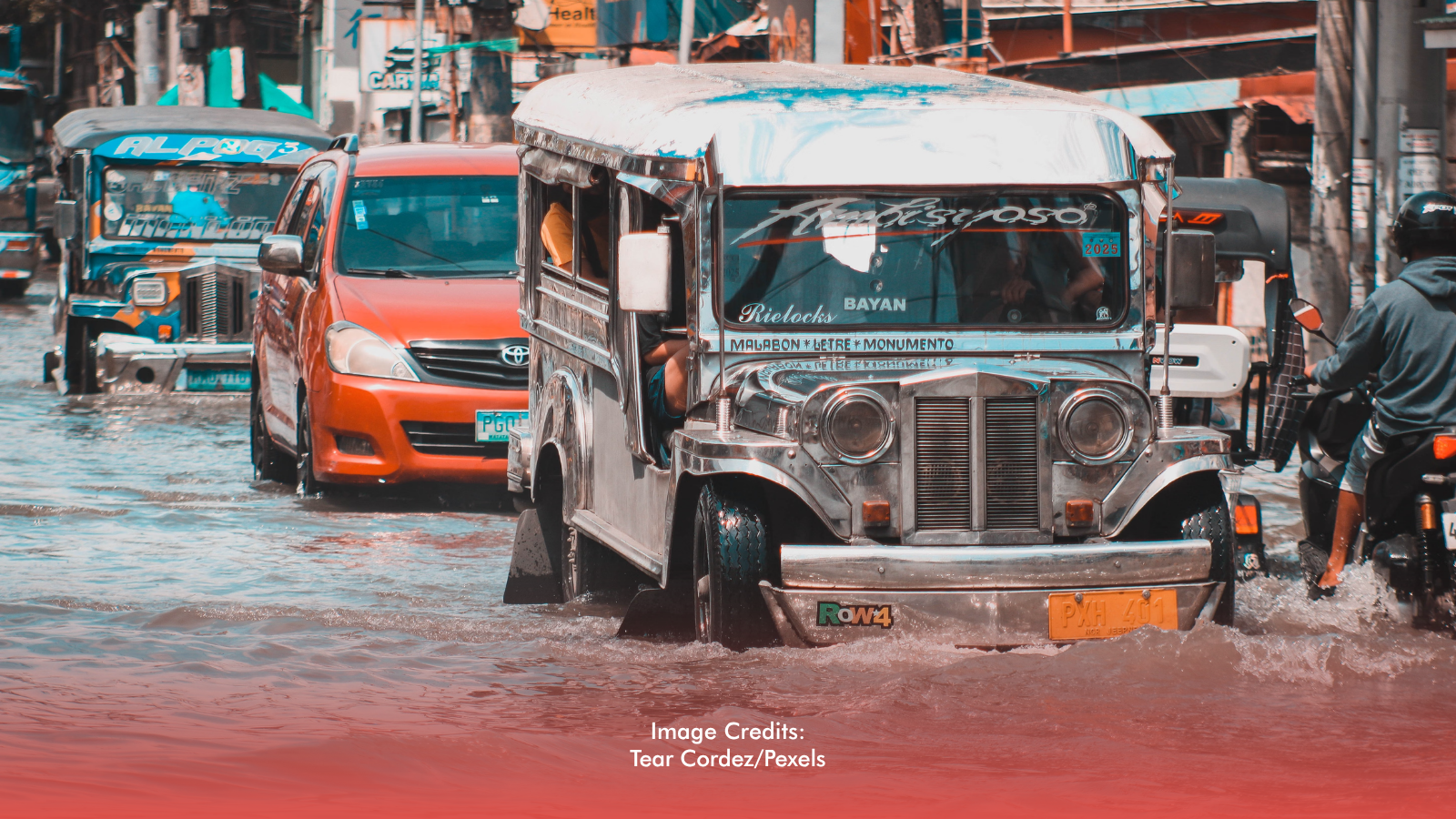
But here's one question many Filipinos forget to ask: "What happens when the rainy season arrives?"
Many homes are bought during the dry months, when roads are clear, canals are empty, and neighborhoods appear problem-free. Unfortunately, that's also when flood risks are easiest to miss.
A few minutes of research today could save you years of stress, expensive repairs, and sleepless nights.
1. Check the Area Using UP NOAH
Before making any reservation or signing any documents, check whether the property sits in a flood-prone area.
The University of the Philippines' NOAH (Nationwide Operational Assessment of Hazards) platform lets anyone view hazard maps across the country. Simply search for the property's location and turn on the flood hazard layer to see if the area has low, moderate, or high flood risk.
While no map can predict every flood event, it's an excellent first step that many buyers overlook.
2. Visit After Heavy Rain, If Possible
A sunny afternoon doesn't tell the whole story.
If you can, visit the property after a heavy rain or during the rainy season. Observe how quickly water drains from the streets and whether puddles remain for hours.
You may also notice areas where water naturally collects, something that's impossible to spot on a dry day.
3. Look for Physical Warning Signs
Sometimes, the house itself tells a story.
During your inspection, watch for:
- Water stains on exterior or interior walls
- Mold or mildew odors
- Rust marks on gates, fences, or electrical panels
- Freshly repainted lower walls that seem out of place
- Elevated appliances or electrical outlets positioned unusually high
These don't automatically mean the property floods, but they deserve further investigation.
4. Talk to the Neighbors
Real estate listings won't mention flooding. Neighbors usually will.
Ask simple questions like:
- Does the street flood during typhoons?
- How high does the water usually get?
- How long does it take before floodwater disappears?
- Has the situation improved over the years?
People who have lived in the area for years can provide insights that online listings cannot.
5. Check Nearby Rivers, Creeks, and Drainage
Take a short walk around the neighborhood.
Is there a river, creek, estero, or drainage canal nearby? Are waterways clogged with trash? Do roads slope toward the property?
Even if the house itself sits on slightly higher ground, poor drainage in surrounding areas can still affect accessibility during heavy rains.
Don't Let Good Weather Fool You
Buying a home is one of the biggest financial decisions most Filipinos will ever make. A property that looks perfect in April may become difficult to live in by July if flooding becomes a recurring problem.
Doing a little homework, checking hazard maps, inspecting the neighborhood carefully, and talking to residents can help you avoid costly surprises later.
A beautiful home isn't just one that looks good on a sunny day. It keeps you and your family safe, whatever the weather.