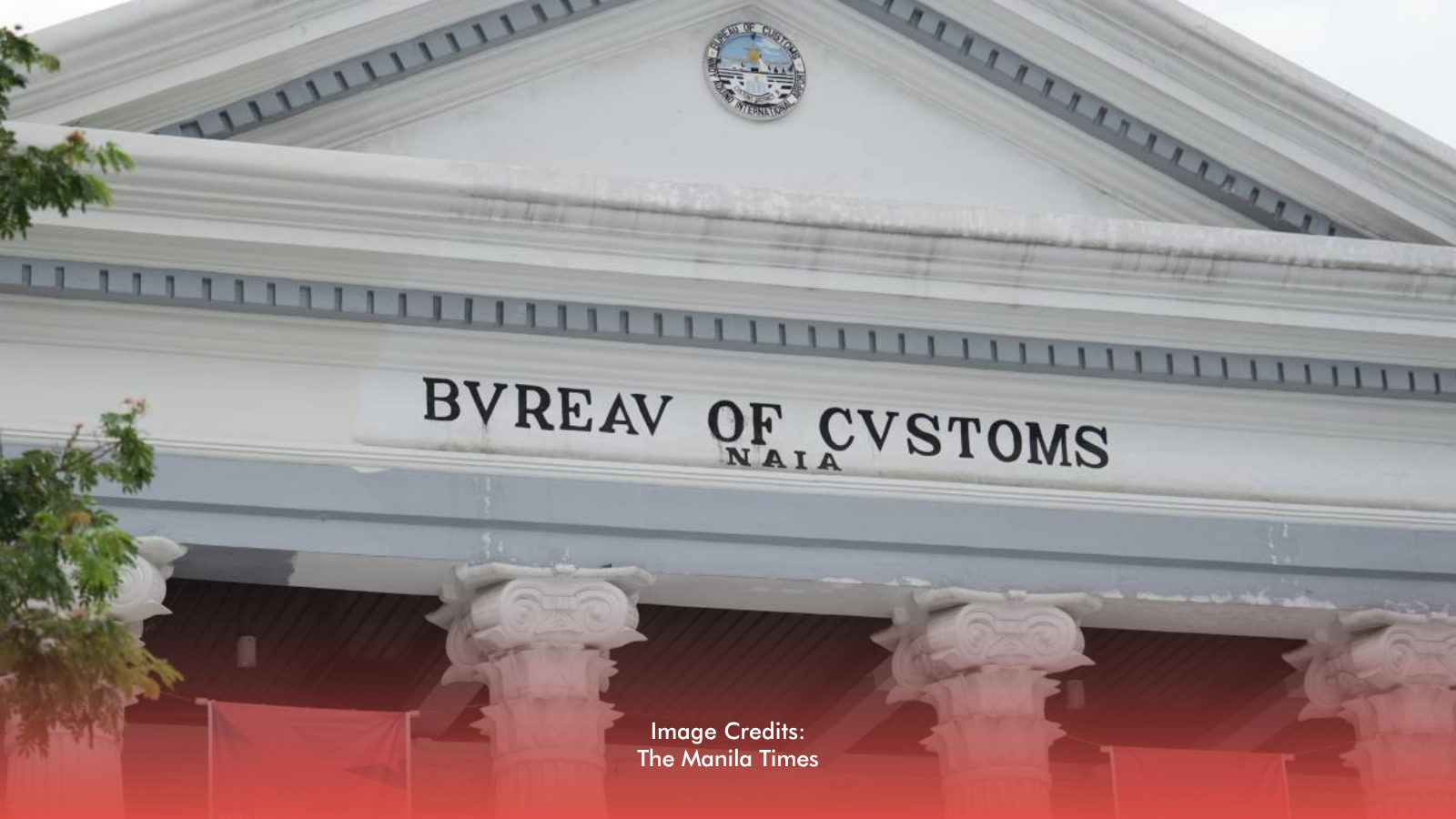
The Bureau of Customs (BOC) has introduced a new customs policy designed to facilitate the temporary entry of foreign vessels participating in submarine cable and offshore energy projects in the Philippines. The measure aims to streamline customs procedures for specialized ships while maintaining regulatory oversight.
According to the BOC, Customs Administrative Order 02-2026, signed by Customs Commissioner Ariel Nepomuceno, sets the guidelines for the temporary admission of international cable-laying and repair vessels. These ships are used for the survey, installation, maintenance, upgrading, and repair of submarine cable systems, as well as seabed cable-support operations for information and communications technology infrastructure and offshore energy projects. The order was published July 2 and will take effect July 17, 2026.
RELATED: [PH To Harness AI For Economic Growth Under New Framework]
Nepomuceno said the policy reflects the agency's efforts to modernize customs processes while supporting key infrastructure investments across the country.
"This initiative helps create a more efficient environment for projects that improve the country's digital connectivity and critical infrastructure. By streamlining customs procedures while maintaining proper safeguards, we are supporting investments that benefit businesses, communities, and the Filipino public," he said.
Duty-Free Temporary Entry for Qualified Vessels
The new order allows eligible foreign cable-laying and repair vessels to enter the country temporarily without paying import duties and taxes, provided they are used exclusively for authorized submarine cable projects and are re-exported after completing their assigned work.
It also simplifies customs processing for vessels operating in Philippine waters for limited periods. Instead of repeatedly submitting new import documents when moving between project sites and ports, qualified vessels will be allowed to operate under a more streamlined process, reducing administrative requirements for large-scale infrastructure projects spanning multiple locations.
Rules Still Apply to Imported Equipment
While the vessels themselves may qualify for temporary duty and tax exemptions, the BOC clarified that imported materials, including submarine cables, pipes, and other equipment, will continue to be governed by existing customs laws and import regulations.
The bureau added that the new policy is aligned with the Customs Modernization and Tariff Act and the Istanbul Convention, ensuring that simplified procedures remain consistent with both domestic and international standards.
By reducing delays in customs processing for critical infrastructure projects, the new policy could help accelerate the expansion of the country's digital connectivity and offshore energy infrastructure.
RELATED: [DPWH Launches Transparency Portal To Monitor Infra Projects]