“Kung walang matres, ’wag nang bumoses.” That viral line captures the heated discourse surrounding pregnancy in the Philippines — a conversation boldly explored in Sunshine, now streaming on Netflix. While the film initially appears to be a coming-of-age sports drama, it quickly reveals a deeper narrative about ambition, stigma, and the everyday struggles of young Filipino women.
RELATED: [5 Filipino Series on Netflix Every Teen Should Watch]
A Dream Cut Short: Sunshine’s Life-Changing Turning Point
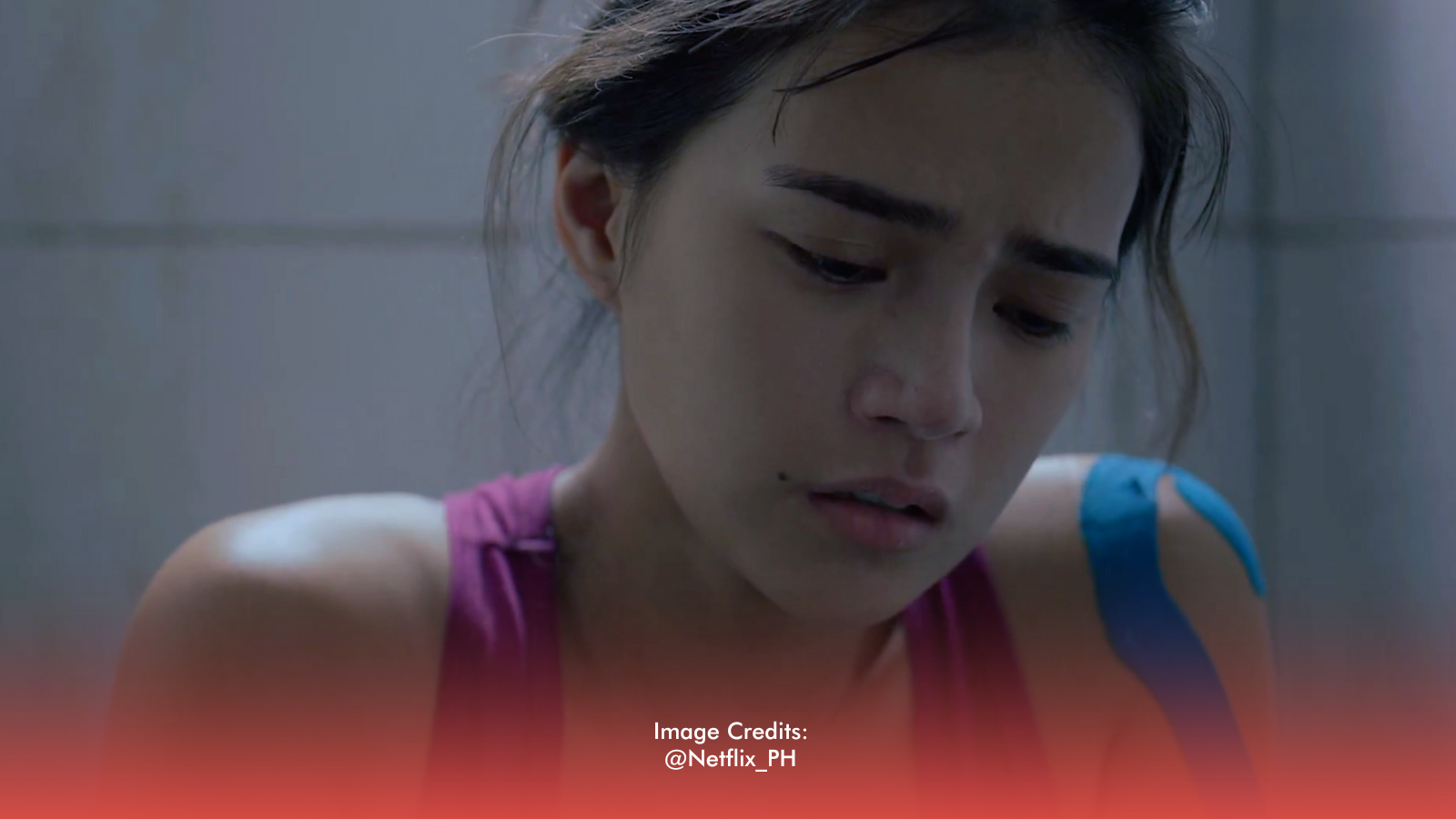
The story follows Sunshine, a young gymnast portrayed by Maris Racal, whose Olympic aspirations collapse after she discovers she is pregnant right before national team tryouts. Her world rapidly shifts from strict routines and athletic goals to medical appointments, whispered judgments, and overwhelming decisions. The film highlights how young women often lose control of their futures not because of personal shortcomings, but because of circumstances shaped by societal expectations.
A Rare Kind of Honesty in Philippine Cinema
What makes Sunshine stand out is its fearless approach to issues often avoided on the big screen. While earlier Filipino films like Ang Huling Cha-Cha ni Anita and Ang Babaeng Allergic sa Wi-Fi explore youth and social pressures, Sunshine goes further by directly confronting teen pregnancy, reproductive rights, and healthcare inequity. Its refusal to sugarcoat these realities makes the film both groundbreaking and urgently relevant.
The Harsh Reality of Pregnancy in the Philippines
The movie paints an unfiltered picture of what pregnant women face in the country. With abortion illegal, sex education insufficient, and hospitals overcrowded, Sunshine’s struggles mirror those of countless Filipinas. Scenes set in public hospital wards — where patients share cramped spaces instead of private rooms — feel painfully real. These moments emphasize how little reproductive autonomy women truly have and how fragile the public healthcare system remains.
Powerful Performances That Drive the Story
Maris Racal delivers a deeply affecting performance that anchors the narrative. Her portrayal of vulnerability, fear, and resolve helped the film earn international acclaim. Sunshine won the Crystal Bear for Best Film at the Berlin International Film Festival and received both the Narrative Feature Jury Award and Audience Award at the Austin Asian American Film Festival. The supporting cast — Jennica Garcia, Elijah Canlas, and Xyriel Manabat — enhances the film’s emotional weight with their authentic and grounded performances.
Themes That Hit Close to Home
Beyond the personal journey, Sunshine delves into the emotional and social consequences of pregnancy. It explores strained friendships, absent partners, and the isolating stigma that young mothers face. The film’s magical-realism element — represented through the ghostly presence of Sunshine’s unborn child — symbolizes her internal conflict and emotional burden. While unusual, this creative choice deepens the audience’s understanding of her psychological state.
A Conversation Starter for a New Generation
In its essence, Sunshine is more than a sports drama or a story about teen pregnancy. It sheds light on reproductive rights, systemic healthcare issues, and the cultural pressures faced by Filipino women. Though the film tackles multiple heavy themes, this complexity mirrors real life, allowing it to resonate strongly with modern audiences.
Final Thoughts: A Brave Step for Philippine Cinema
Through fearless storytelling, compelling performances, and authentic settings, Sunshine demonstrates the power of Filipino cinema when it dares to confront uncomfortable truths. It challenges viewers to reflect on social norms, sparks crucial conversations, and honors the resilience of young women navigating impossible choices.
For Filipino audiences — especially Gen Z — Sunshine is a film that lingers long after the credits roll, offering both a mirror and a megaphone for issues too often silenced.
MORE LIKE THIS: [Manny Pacquiao Leads Team Philippines In Netflix’s “Physical: Asia”]