The International Organization for Migration (IOM) has named the Philippines one of the world’s leading countries of origin for trafficking victims. Out of more than 125,000 victims identified globally, 13,313 were Filipinos, ranking the country second behind Ukraine and ahead of the United States and Moldova.
The IOM noted the real number is likely higher due to underreporting. Overseas employment is a major part of the Philippine economy, but large-scale labor migration also creates opportunities for traffickers through illegal recruitment and deceptive job offers.
The Philippines is also a destination for exploitation, with 2,333 cases recorded domestically, placing it among the top 10 countries worldwide. The IOM stressed that countries with fewer than 10 reported cases were excluded, so a lack of data does not mean trafficking is absent.
Children Increasingly at Risk
Of all trafficking victims identified, 29,545 were children—nearly one in four. Millions of children on the move face heightened risks, yet they often remain invisible in global policies and protection systems.
IOM Director General Amy Pope said, “We must act now—across borders and sectors—to close protection gaps and ensure that every child, everywhere, is safe.” The Sixth Global Conference on the Elimination of Child Labour in Marrakesh (Feb. 11–13) brought together governments, UN agencies, businesses, civil society, and youth leaders to accelerate efforts to eliminate child labor.
Sexual Exploitation and the Need for Coordinated Action
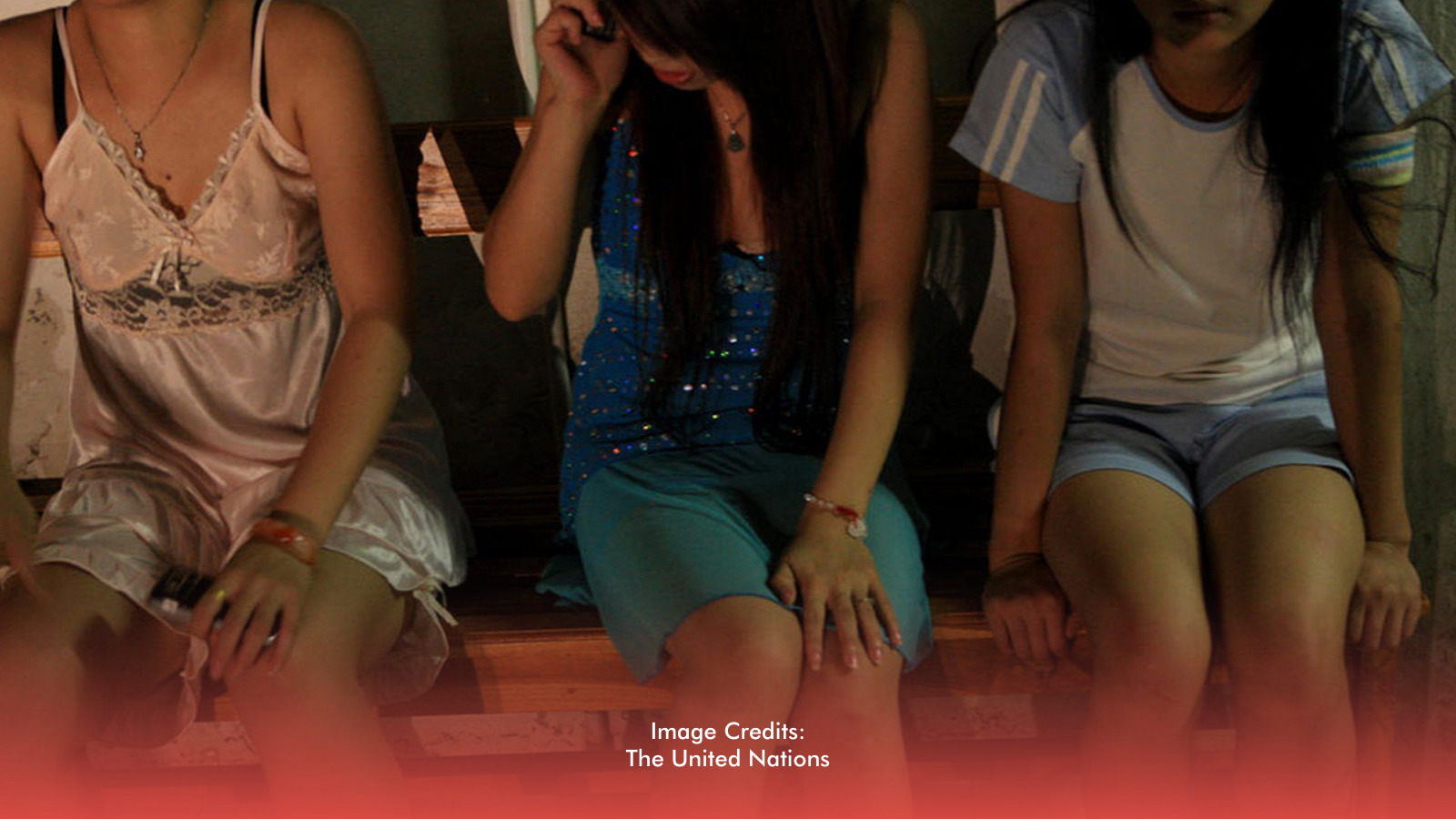
Trafficking cases were categorized as sexual exploitation (61%), forced labor (37%), and other forms (7%). The IOM stressed the need for stronger data and research to identify risks, inform prevention, and guide responses.
A joint IOM-Harvard study of two decades of child trafficking data highlighted the complex links between child labor, migration, and trafficking. The organization called for closer coordination among child protection, migration, and anti-trafficking systems.
Programs like the IOM–Save the Children–UNICEF Global Programme on Protection for Migrant Children are strengthening cross-border case management to reduce risks for children along migration routes. The IOM reaffirmed its commitment to working with governments, UN partners, civil society, and youth networks to ensure anti-trafficking and child labor efforts are evidence-based and inclusive of children on the move.