
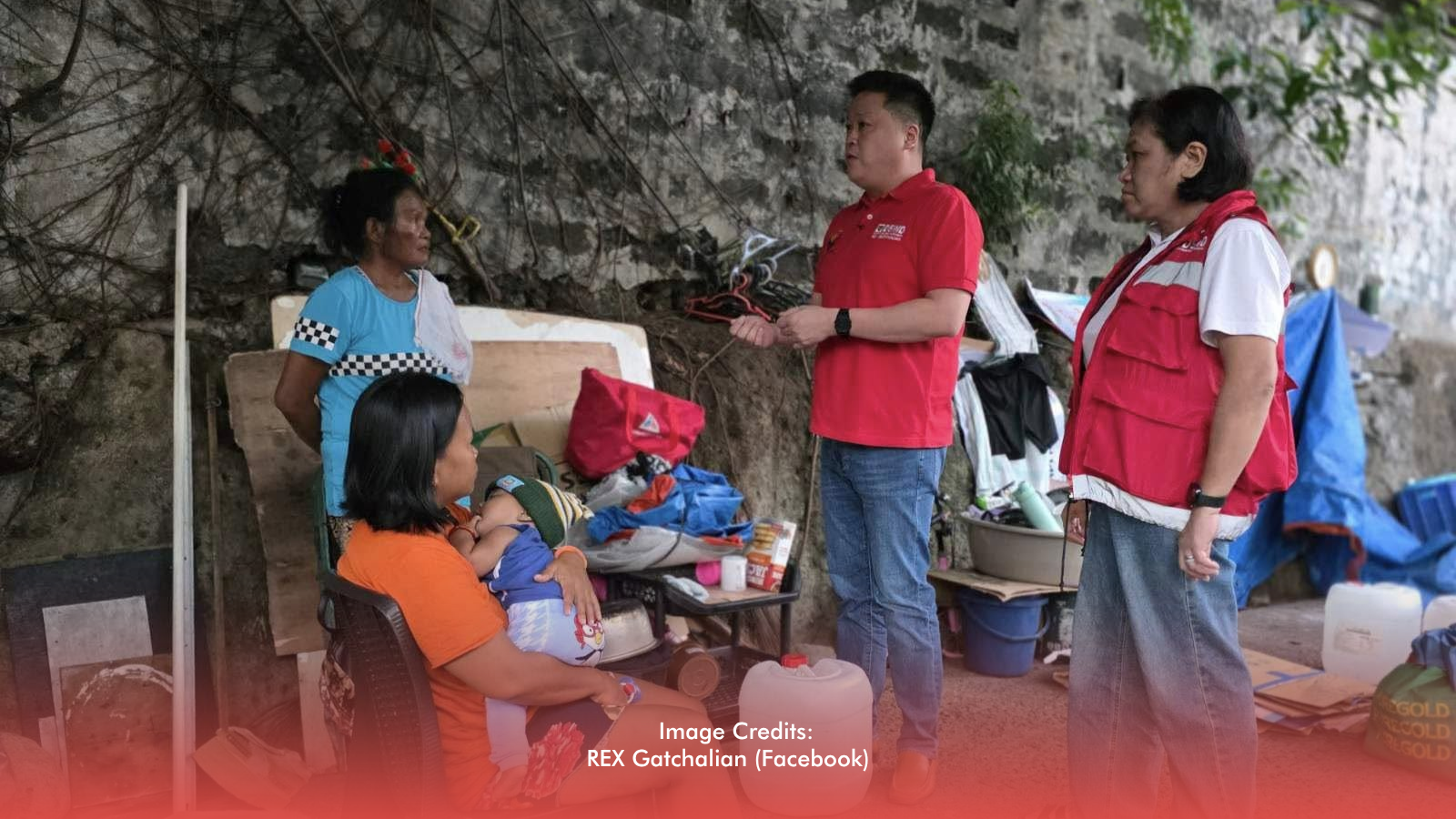
Efforts to address homelessness in the Philippines continue to expand as the government rolls out targeted interventions for families living in street situations. Through its Pag-Abot Program, the Department of Social Welfare and Development (DSWD) has extended assistance to 105 beneficiaries, offering them a pathway away from street living and into safer, more stable conditions.
The initiative focuses on helping families and individuals transition into temporary yet secure housing arrangements while they work toward rebuilding their lives. Institutionalized in 2024 under Executive Order 52, the program forms part of a broader strategy to strengthen the country’s response to homelessness and provide more structured support systems for vulnerable sectors.
Holistic Support Beyond Temporary Shelter
At the core of the Pag-Abot Program is the provision of transitory shelter assistance, designed to give beneficiaries a safe place to stay as they begin to stabilize their circumstances. The DSWD explained that this type of housing serves as a stepping stone, allowing families to move away from unsafe street conditions while planning for more permanent solutions.
Support, however, goes beyond providing a roof. Beneficiaries are also given access to psychosocial services and community-based interventions aimed at addressing the emotional and social challenges tied to life on the streets. These efforts are intended to ensure that recovery is not only physical but also mental and social, helping individuals reintegrate into their communities more effectively.
Livelihood assistance is another key component of the program. Families receive startup capital and materials to help them establish small businesses, including food carts and sari-sari stores, giving them an opportunity to generate income and sustain their daily needs.
“Providing a safe roof for our beneficiaries is just the very first step, because we also want to ensure they have a sustainable source of income to support their daily needs,” DSWD Assistant Secretary Irene Dumlao emphasized.
“Even if we give them shelter, without a source of daily income, there is a chance they may return to the streets, which is why we also provide livelihood assistance,” she added.
Ensuring Long-Term Stability for Beneficiaries
To ensure that the assistance leads to lasting change, the DSWD continues to monitor the progress of beneficiaries after they receive support. This includes tracking their economic activities and overall well-being as they transition toward more stable living conditions.
The agency underscored that the goal is not only to provide immediate relief but also to create sustainable pathways out of poverty. By combining housing, livelihood, and psychosocial support, the program aims to reduce the risk of beneficiaries returning to street life.
“We in the DSWD are deeply committed to pulling these families out of poverty and giving them a genuine chance to rebuild their lives in a secure environment, and we hope this becomes a pathway for their recovery,” Dumlao said.
For many Filipinos, programs like Pag-Abot highlight the importance of long-term, coordinated solutions to homelessness. Beyond helping 105 families today, the initiative reflects a broader effort to address poverty at its roots, offering not just temporary relief but a chance at stability and dignity for vulnerable communities across the country.
RELATED: [Financial Aid Goes Digital: DSWD Introduces E-Panalo For Faster 4Ps Payouts]